Morocco's farming revolution: defying drought with science / Photo: FADEL SENNA - AFP

 Acosta takes first victory at Austrian MotoGP

 PSG president Nasser al-Khelaifi under investigation in France for conflict of interest

 China swim sensation, 13, sets Games record after Japan win early

 رئيس الدولة يجذب وفد شركة «إثارة».. أفضل منظم لسباقات الفورمولا 1 لعام 2025

 Myanmar win first Asian Games teqball gold as Spain great Puyol watches

 China's 13-year-old Yu scorches to first major gold at Asian Games

 Germans vote in elections threatening fresh blow to Merz

 قراءة في ألمانيا تجدد التزامها بسوق السياحة بدول مجلس التعاون الخليجي

 تقرير حول الإمارات تشارك في المؤتمر الرابع للجمعية الصينية للنقل الجوي في بكين

 US fears rapid escalation in Mideast after Houthis attack Riyadh

 Japan triathlete Hojo wins first gold of Asian Games

 تطورات سيف بن زايد: برؤية القيادة الرشيدة.. الإمارات شريك موثوق في صناعة الأمن والتقنية
 رئيس الدولة ونائباه يبعثون التهاني إلى الحاكم العام لسانت كيتس ونيفيس بذكرى استقلال بلادها

 First Asian Games gold goes to Japan as China's 13-year-old Yu lights up pool

 تطورات كاليفورنيا تشرع مفتاح "إيقاف الذكاء الاصطناعي" تحسباً لتمرد التكنولوجيا!

 تقرير حول حاكم رأس الخيمة: تجمعنا ودول أمريكا الوسطى أسس راسخة من الصداقة والاحترام
 Pope Leo in France: the issues on the table

 Packing for a pope: behind the scenes on foreign trips

 Republicans find transgender issues a powerful political weapon in midterm campaigning

 German state elections threaten new shock waves for Merz

 قراءة في أسعار الذهب اليوم في مصر السبت 19/9/2026

 قراءة في تأسيس 42582 شركة أجنبية في الصين بأول 8 أشهر 2026

 دراسة عن المركز الوطني للصقور ينشر دراسة علمية حول العوامل البيئية المرتبطة بإنتاجية تكاثر الشاهين الجبلي

 Toulouse edge Vannes, Lyon beat Pau to take Top 14 summit

 تطورات جيميناي يخترق أنظمة 3 شركات خلال اختبار للأمن السيبراني

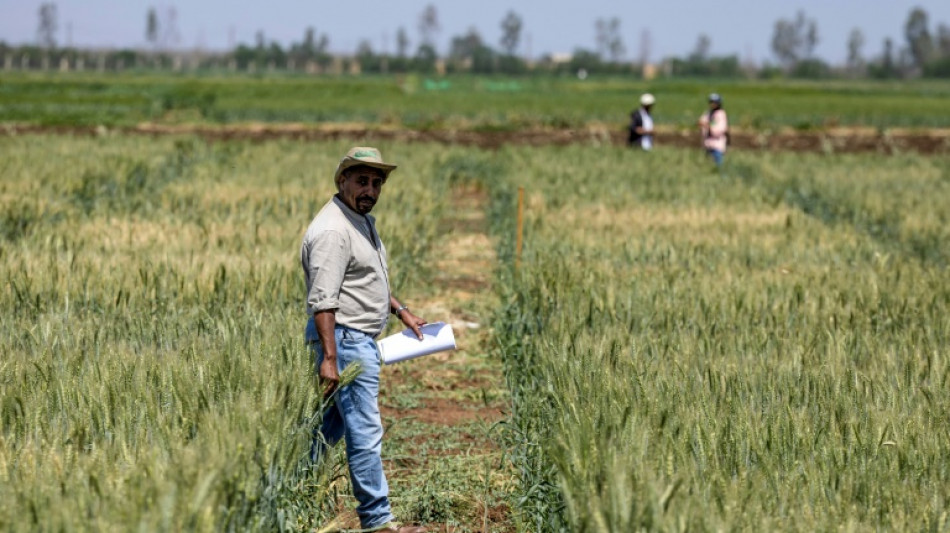
In the heart of sun-soaked Morocco, scientists are cultivating a future where tough crops defy a relentless drought, now in its sixth year.
"Look at these beautiful ears of wheat," said Wuletaw Tadesse Degu, the head of wheat breeding at the International Center for Agricultural Research in Dry Areas (ICARDA).
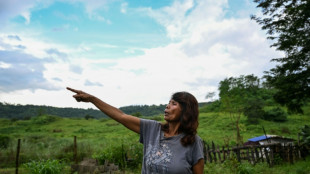
"The difference in quality between our field and others is striking," he said, pointing towards a lush expanse in Marchouch, south of Rabat, that stood in stark contrast with the barren lands elsewhere.
By 2040, Morocco is poised to face "extremely high" water stress, a dire prediction from the World Resources Institute, a non-profit research organisation.
Figures from the North African country's central bank paint a grim picture.
Cultivated areas across the kingdom are expected to shrink to 2.5 million hectares in 2024 compared with 3.7 million last year, with cereal yields more than halving to 25 million quintals (2.5 million tonnes) over the same period.
"It has become essential to use resilient seeds and to employ them as quickly as possible," said Tadesse, whose centre recently inaugurated a plant gene bank.
- Adapted genotypes -
Tadesse's mission is to develop genotypes that not only withstand drought and heat but also yield abundantly.
Last year, while the nation struggled, Marchouch achieved a yield of four tonnes per hectare with just 200 millimetres of rainfall.
Controlled irrigation and strategic sowing techniques are behind this agricultural revolution.
Looking to maximise production, farmers are experimenting with planting times and judicious irrigation.
Even a scant 10 millimetres of water, carefully applied, transformed barren soil into thriving fields.
Barley, too, has seen a resurgence, with yields jumping from 1.5 to two tonnes per hectare last year, thanks to climate-smart genotypes, said Miguel Sanchez Garcia, a barley specialist at ICARDA.
The centre, which operates in 17 countries in Africa and Asia, says it has developed 30 "elite lines" of grain.
Most of them are produced in Morocco by breeding genotypes of wild wheat with different ancestors, said ICARDA genetics researcher Ahmed Amri.
- 'Slow system' -
Moroccan agricultural authorities approved six new wheat and barley varieties last year, but bureaucratic hurdles loom large.
Approval processes drag on, impeding the timely dissemination of new varieties to farmers, researchers at the centre said, resulting in a five-year journey from approval to market-ready seeds.
"The certification system takes too long and should be revised quickly," said Moha Ferrahi, head of genetic resources conservation and improvement at the National Institute of Agricultural Research.
Ferrahi also pointed to the lack of engagement from private companies and farmers who opt for "foreign seeds to have a quicker return on investment while these seeds are not adapted to the climate of Morocco".
Yet many see room for improvement, even in a drought-hit country where the average citizen consumes about 200 kilogrammes of wheat per year — significantly above the world's average, according to official figures.
"Unlike countries like Egypt or Ethiopia, Morocco has chosen to liberalise its market," said researcher Amri, meaning that authorities have no control over what varieties farmers select.
But Amri remains convinced that, coupled with the national agricultural programme, the widespread adoption of resilient varieties will help offset mounting losses.
K.Hassan--SF-PST