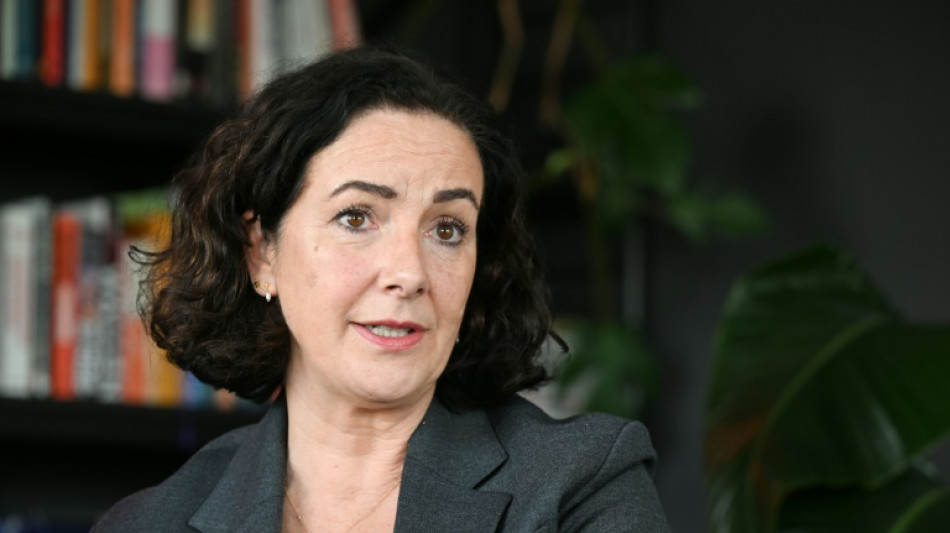
Amsterdam mayor wants to regulate cocaine: AFP interview / Photo: JOHN THYS - AFP

 Drones hit Moscow as Russians go to the polls

 New England boss Fleming says 'wrong' to ask Stokes to end retirement
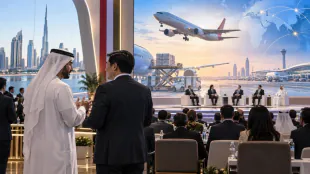
 تقرير حول منصّة شرطة دبي بـ«سوق السفر» تستقبل أكثر من 5 آلاف زائر
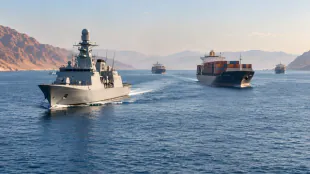 تقرير حول إيطاليا: نجهز مهمة بحرية لحماية الملاحة في البحر الأحمر
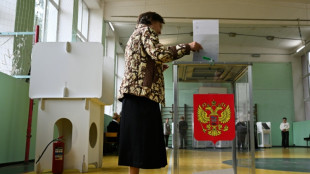 Russians vote on last day of parliamentary elections
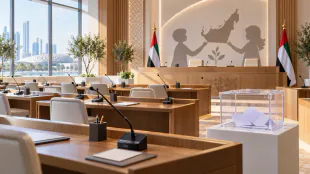 تقرير حول إغلاق باب الترشح لعضوية البرلمان الإماراتي للطفل في فصله التشريعي الثاني

 Hong Kong pays final respects to former city leader Tung
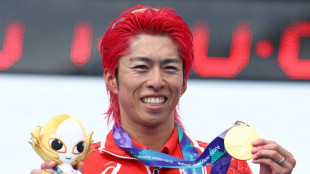
 Typhoon put people off Asian Games opening ceremony, official says

 IOC president impressed by 'beautiful' Asian Games wooden huts

 China's 13-year-old Yu cruises as Asian Games swimming begins
 AI 'warning shots' focus Beijing on national security risks

 Data centre command hub keeps AI up and running
 Philippine tribe in limbo over US-led tech hub
 Leo XIV, first US pope transcends his restrained style
 Singer Ed Sheeran says Gaza situation 'unjustifiable' following controversy

 In 'Tenzing', a Sherpa mountaineer gets his due
 حصيلة سيدات القادسية يكتسحن الترجي بـ14 هدفاً نظيفاً في الدوري الممتاز
 Ed Sheeran set to return to stage after Palestinian controversy
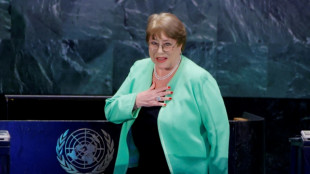 Chile's Bachelet quits race to be next UN chief

 قراءة في شركة مدعومة من “إنفيديا” و”مايكروسوفت” تتقدم بطلب طرح عام أولي

 Raphinha treble fires perfect Barca to win at Sevilla

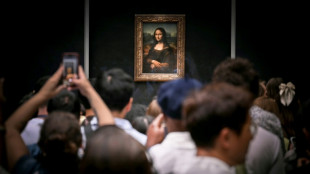 Germans arrested for Louvre stunt in Mona Lisa hall
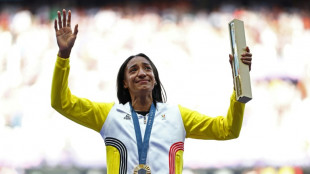
 Saudi-led coalition says Houthis fired ballistic missile at Riyadh
 رئيس جامعة الأمير مساعد بن عبدالرحمن: بدء اسمه يحمل قيمة وطنية ومعرفية عميقة ويعزز أثرها الوطني
 تقرير حول غزة حين يصمت مجلس السلام وتحاكم الضحية
Hard drugs like cocaine and ecstasy should be regulated, according to the mayor of Amsterdam, who believes this is the only way to defeat narco-trafficking and its "disastrous" effect on her city.
In an interview with AFP, Femke Halsema said "you could imagine getting cocaine at pharmacies or via a medical system."
Since 2018, the 57-year-old Halsema has run the city known globally for its tolerance towards soft drugs like cannabis and for its lively commercial and tourism sector.
But the "war on drugs" has not halted the violent and multi-billion-dollar underworld that sucks up 80 percent of Amsterdam police time, she told AFP in a rare interview with a foreign media outlet.
"I think that some drugs are dangerous, and I also think it is wise to reduce drug use. But I also notice that the way we do this does not help... we need to think of better ways to regulate drugs."
She said the street price of cocaine had stayed "exactly the same... so we have had no effect."
"Is it not ridiculous that we leave drug trafficking to criminals and we do not try to find a way to have a civilised market?"
Alongside a regulated cocaine market, she said she could also envisage a market for drugs like ecstasy.
Halsema is aware her position is controversial and she has run into criticism, notably from the mayor of the Belgian city of Antwerp, a key gateway for drugs into Europe.
The mayor of Rotterdam, a city also used extensively to get drugs into the continent, has aimed at consumers with a campaign saying that each "line" of cocaine is helping criminal gangs.
But Halsema, who studied criminology at university, said she does not believe treating consumers as criminals is the solution.
She pointed to the situation in the United States where the prison system struggles to cope with the volume of people convicted of drug offenses.
- 'Narco-state' -
The drug debate in the Netherlands is "emotional and moral", she told AFP. "'Drugs harm health. Drugs are bad. It's immoral to use them'," runs the argument.
"There is rarely a more pragmatic or economic discussion on the topic," she said.
Frustrated by the Dutch government's lack of willingness to engage on the issue, Halsema has thrown the debate open internationally.
In January, she invited fellow mayors and experts to a conference in Amsterdam to discuss "how and not whether" cities should regulate drugs.
The idea appeared to have gained traction, with the conference's final declaration signed by, among others, the mayor of Bern and the former mayor of Bogota.
"Anyone who thinks a bit about ways to really reduce the influence of the narco-traffickers comes to this conclusion... there is in fact really no alternative," she said.
She is aware that creating a "regulated, healthy and controlled" market for hard drugs will take decades and she is counting on the United Nations to use its influence on governments.
Adding to the complexity is the need to take aim at "the whole chain, from the production onwards... if you only deal with one part, it will attract the criminals."
And she hit back at critics who say the Dutch tolerance for soft drugs is to blame for the explosion in cocaine trafficking in the country.
"It's got nothing to do with being soft or repressive. It's simply to do with our geographical location and our trading tradition," said the mayor.
The issue is life and death, she said, noting the three murders linked to the trial of drug baron Ridouan Taghi, which shocked the Netherlands.
"The judicial system is under pressure, and it costs an incredible amount of money," she said.
"And in that sense, we are slowly but surely developing into a narco-state in which, yes, the fight against drugs becomes one of our most important issues."
F.AbuShamala--SF-PST