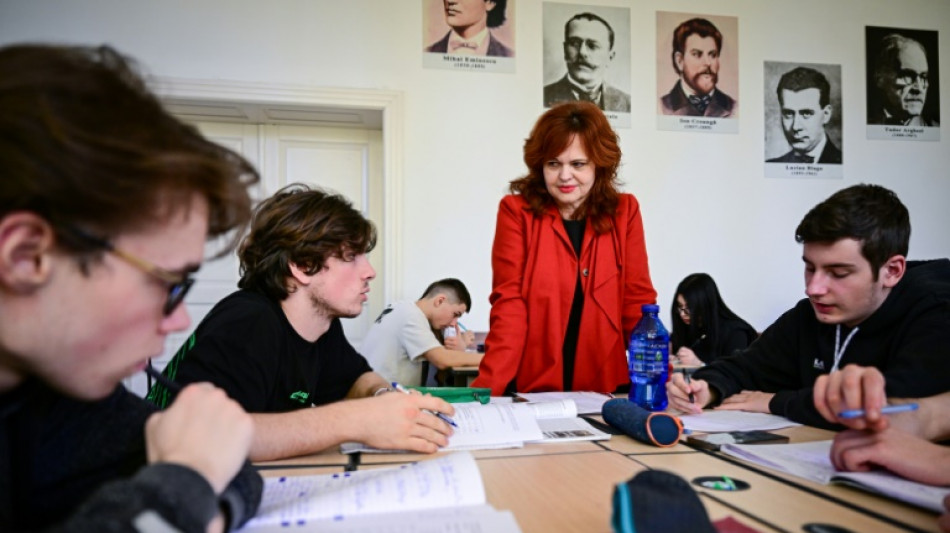
Romanian classrooms face hidden Holocaust history / Photo: Daniel MIHAILESCU - AFP

 Toulouse edge Vannes, Lyon beat Pau to take Top 14 summit

 تطورات جيميناي يخترق أنظمة 3 شركات خلال اختبار للأمن السيبراني
 Thiam makes winning heptathlon return at Decastar meet
 Czechs beat USA to qualify for Davis Cup finals

 ملف الشيخ خليل لفلسطين 500 ألف طالب يبدؤون الدراسة في غزة وسط نقص حاد
 France's debt climbs to highest since 1978: ministry
 مجلس وزراء الداخلية العرب يدين ويستنكر بدء ميليشيا الحوثي الإرهابية طائرة مسيّرة باتجاه مدينة الطائف

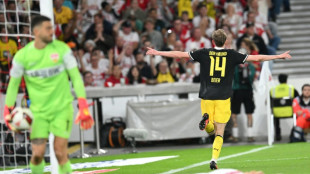 Dortmund sink Stuttgart to climb to Bundesliga summit
 Trump says will not tolerate attempts to slow AI growth
 Martinez brace saves Inter in Serie A top-two clash with Roma
 Rosenior abused but guides Paris FC past old club Strasbourg
 تقرير حول موهبة مانشستر يونايتد في برشلونة للتفاوض
 Seven-try Lyon beat Pau, climb to Top 14 summit
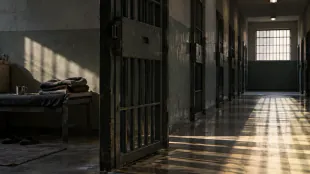 تقرير حول ليسلم نفسه للاحتلال معتقل منذ 2007 في سجون السلطة
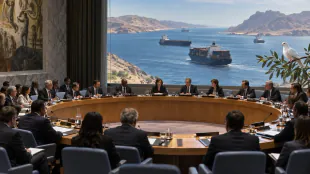
 سيول تجدد تأكيد لواشنطن عزمها المساهمة في استعادة حرية الملاحة بمضيق هرمز
 England thrash Sri Lanka again to return to top of T20 rankings
 ملياردير روسي موّل جانباً من زفاف نجل ترمب... والرئيس الأميركي يجدد تأكيد سداد الأموال

 تقرير حول سوريا: توقيف ضباط سابقين يُشتبه بمسؤوليتهم عن غارات جوية خلال عهد الأسد
 ملف خادم الحرمين يوجه بناءً على ما رفعه ولي العهد بإطلاق اسم الأمير مساعد بن عبدالرحمن على الجامعة السعودية الإلكترونية
 South Korea, Austria qualify for Davis Cup finals
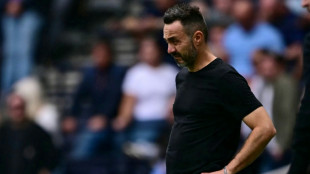 'Fragile' Tottenham beaten by Aston Villa despite late rally

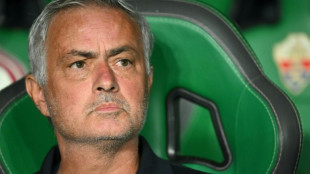 Mourinho hails Real Madrid grit before Atletico derby clash

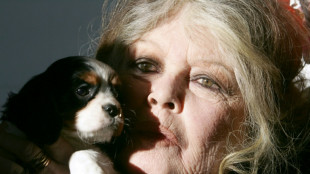 Brigitte Bardot widower slams sale of star's belongings

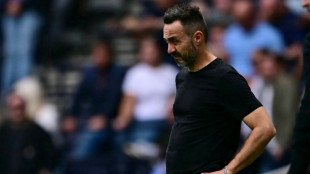 Aston Villa compound Tottenham's misery despite late rally

 حصيلة من يملك جسد اللاعب ورسائله؟ قميص سبتة يتحول إلى نقاش أكبر من السياسة
Debating eagerly in their classroom, Romanian teacher Gabriela Obodariu's pupils faced up to a hard question: if horrors like the Holocaust were to happen in their time, what part would they play?
Under the fascist regime that ruled their country, allied with the Nazis, would they have been bystanders, resistance fighters -- or torturers?
Romania killed hundreds of thousands of Jews during World War II, yet polls show that awareness of those atrocities today is extremely low. The lesson is part of a national drive to fix that.
"Such horrors didn't stop and won't stop," Obodariu, 56, told her students in the eastern city of Focsani.
Hers was part of a programme of weekly classes on Jewish history and the Holocaust introduced into the curriculum in high schools all over Romania in September.
With far-right parties now gaining ground as elsewhere in Europe, data from authorities have indicated a rise in anti-Semitic incidents in Romania in recent years.
The General Prosecutor's Office recorded 51 anti-Semitic offences -- including the promotion of fascist symbols -- in 2022, compared with six in 2012.
Obodariu said the classes are important for "fostering values" among her students -- some of whom will get to vote for the first time in national elections later this year.
One of her pupils, David Cartas, 17, said the lesson "can teach us a lot about the racism that exists in the world right now".
"Previously I might have even joked about it (the Holocaust). Now I definitely won't."
- 'Like a vaccine' -
An ally of Nazi Germany until 1944, Romania had Europe's third biggest Jewish population before the war at 800,000. Now there are only some 3,000.
During the war, up to 380,000 Romanian and Ukrainian Jews were killed in areas controlled by the regime of Ion Antonescu, while others were forced to flee.
A museum about a massacre of Jews in the city of Iasi, north of Focsani, opened in 2021. Part of a vast cemetery in the town bears witness to the 1941 pogrom.
Yet in a survey late last year by the country's Elie Wiesel Institute, only 11 percent of 1,300 people questioned said the Holocaust happened in Romania, while 85 percent pointed to Germany or other European countries.
"It is a part of history that is not well known," the institute's director Alexandru Florian told AFP.
"It hasn't yet reached all levels of society, the grassroots, the ordinary citizen."
To teach the classes, history teachers rely on guidelines from the education ministry that evoke the danger posed to democracy by "the resurgence of anti-Semitism and radical neo-fascist political movements" in recent years.
A full manual for the classes is expected later this year.
These classes "are like a vaccine. They create antibodies in the young population to this extremely harmful and dangerous virus" of anti-Semitism, said sociologist and Holocaust researcher Mihai Dinu Gheorghiu.
- 'Dark sides of history' -
In the Elie Wiesel survey, 52 percent of those polled disagreed with the decision to make the classes compulsory.
Ahead of this year's elections, the ultra-nationalist opposition party AUR has been gaining in opinion surveys.
Entering parliament after the 2020 elections, when it scored nine percent of the vote, it currently polls at just under 20 percent in surveys for the European Parliament elections in June.
The current AUR leader George Simion has acknowledged Romania's responsibility for the Holocaust of the Romanian Jews and condemned anti-Semitism.
But in 2022, the party described the history of the Holocaust as a "minor issue", criticising the intention to introduce it in the school curriculum.
In January, some right-wing extremist movements also complained that Jewish history was introduced to the detriment of the study of Romanian history and called for the Elie Wiesel Institute to be closed down.
Prime Minister Marcel Ciolacu said in October the lessons were important because a democracy must face up to "the dark sides of history" and the question of who was responsible.
In Obodariu's class in Focsani, student Sabrina Pavlov, 17, said the lessons made her realise the "horrors of the past".
"Let's not repeat that mistake," she said.
L.AbuAli--SF-PST