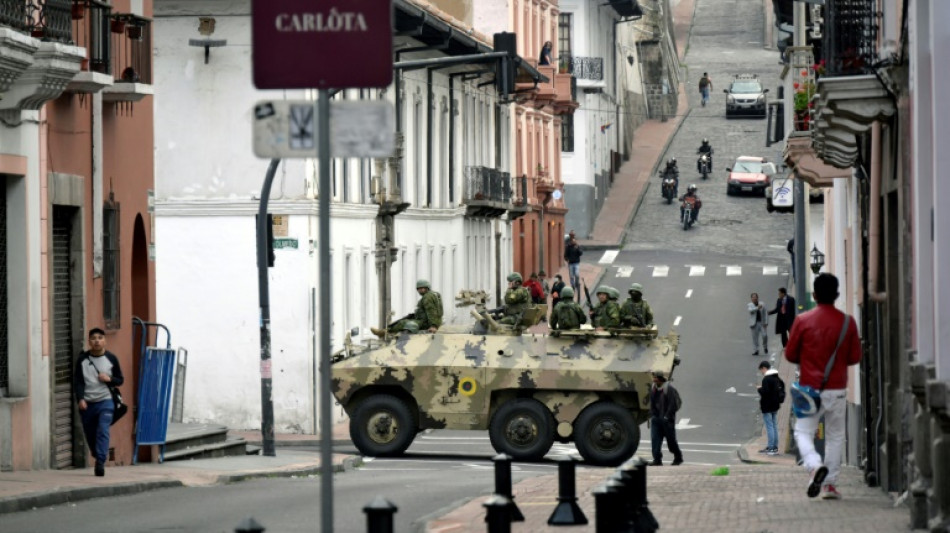
Ecuador's 'armed conflict' with drug gangs: What we know / Photo: Rodrigo BUENDIA - AFP

 South Korea, Austria qualify for Davis Cup finals

 'Fragile' Tottenham beaten by Aston Villa despite late rally

 Mourinho hails Real Madrid grit before Atletico derby clash

 Brigitte Bardot widower slams sale of star's belongings

 Aston Villa compound Tottenham's misery despite late rally

 حصيلة من يملك جسد اللاعب ورسائله؟ قميص سبتة يتحول إلى نقاش أكبر من السياسة
 Asian Games offer 'deepest apologies' for South Korea anthem blunder
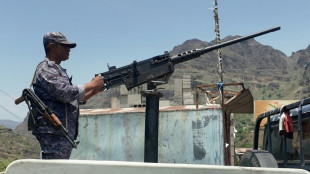
 تطورات "سي أن أن": تقرير بالذكاء الاصطناعي كاد يشعل حرباً بين أميركا والصين

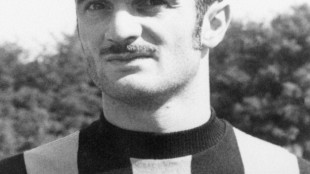 Inter Milan and Italy icon Mazzola dies aged 83
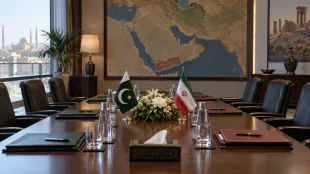
 UK actor Naomi Watts honoured at Spain film festival

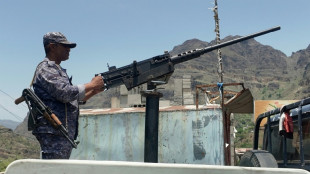 Saudi capital issues first air raid alert since renewed fighting in Yemen

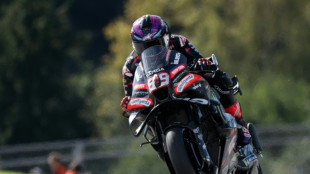 Martin edges title rival Marquez for Austrian MotoGP pole

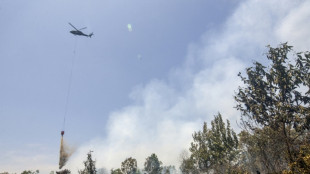 Indonesia accepts Malaysia's help to tackle wildfires
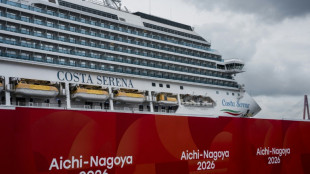 Indians living in Japan on stand-by to house Asian Games athletes
 Trump signs bill authorizing sweeping Russia sanctions

 Protesters form human chain at Kennedy Center after Trump threat

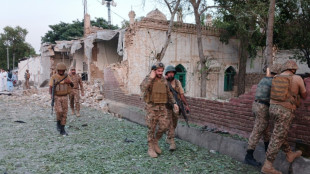 Death toll from attack at police HQ in Pakistan rises to 31

 Trump says Denmark to give US 'permanent control' over Greenland security
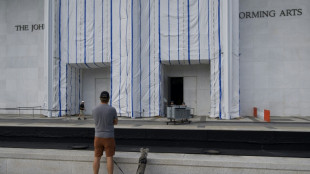 Kennedy Center: future unclear for iconic Washington arts hub

 Trump claims 'infinite' Greenland security deal with Denmark

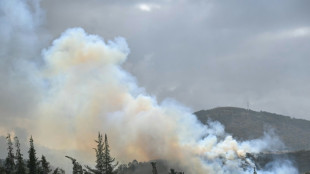 Helicopters battle wildfire threatening Ecuador's capital

 Brentford batter Chelsea to undo Alonso's promising start
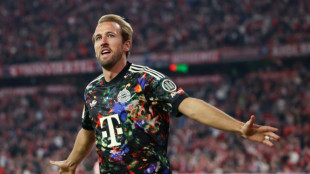 Kane hits Bundesliga century as Bayern rout Union
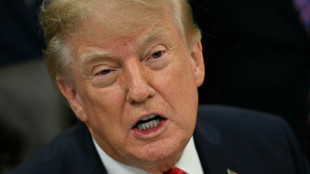 Trump says CNN, MS NOW, Politico banned from White House
 Hushing and hedging: US companies retreat on climate

Tanks and soldiers patrol the streets of Ecuador as narcos sow terror nationwide after declaring all-out war on a government trying to rein them in.
This is what you need to know about the unfolding crisis in the once-peaceful South American nation:
- What sparked the chaos? -
Less than two months after President Daniel Noboa, 36, took office vowing to crack down on the country's growing drug violence, he has entered into open confrontation with more than 20 gangs.
The latest crisis erupted after the escape from prison of Jose Adolfo Macias, aka "Fito" -- leader of Ecuador's biggest gang, Los Choneros.
From his prison cell in the port city of Guayaquil, the epicenter of Ecuador's security troubles, Fito has co-ordinated his criminal operation and wielded immense power inside the institution for 12 years.
Like many gangs run from inside the overcrowded prisons, their power is enabled via corruption and lack of state control, rights groups say.
Videos on YouTube show Fito living a comfortable life, with a pet rooster.
In response to the escape, Noboa declared a state of emergency, including in the prisons.
- How did the gangs respond? -
Prison riots erupted in multiple locations and police officers were taken hostage. One of them was forced at gunpoint to read out a statement addressed to Noboa declaring war against "police, civilians, and soldiers."
Shortly after, hooded, armed men stormed a live television broadcast with guns and explosives, forcing terrified crew to the ground and firing shots. Police arrived about 30 minutes into the attack.
Noboa then announced on social media he had declared the country in a state of "internal armed conflict" and ordered the military to "neutralize" the gangs.
Residents of Quito and Guayaquil cowered at home as hundreds of soldiers patrolled the streets.
More than 100 prison guards have since been taken hostage, and 10 people killed -- eight in attacks at the Guayaquil port, and two police "viciously murdered by armed criminals" in the nearby town of Nobol.
- How did Ecuador get here?-
Geography and corruption are among the reasons that the once peaceful country has evolved into a hotspot of transnational organized crime.
Ecuador borders the world's two largest cocaine producers, Colombia and Peru.
Guayaquil port, from where most of the drugs are shipped abroad -- often in containers of bananas or in legal shipments by front companies -- is seen as having weaker controls.
This has drawn in foreign mafia from Colombia, Mexico and Europe, upping the stakes for local gangs who jockey for valuable alliances and control of drug routes.
The battle for control plays out in Ecuador's prisons, where different blocks are controlled by rival gangs.
One in three prisoners has ties to drug trafficking, studies have shown.
Since February 2021, clashes between prisoners have left more than 460 dead, many beheaded or burnt alive.
Guayaquil has also been hit by car bombs and shocking scenes of bodies dangling from bridges
- How has the government responded? -
Analysts say the extreme levels of violence began under former president Guillermo Lasso who took office in 2021 and tried states of emergency, military operations, and curfews to control the gangs.
"What we have are three criminal organizations who are no longer fighting each other, but the State. They have a common enemy," said Cesar Carrion, a researcher at the Latin American Faculty of Social Sciences.
Aside from Los Choneros, the other major gangs in the country are the Lobos and Tiguerones.
Noboa became president during an election marked by the assassination in broad daylight of popular candidate Fernando Villavicencio -- who a week prior said he had received death threats from Fito.
Noboa has called for the construction of two new maximum-security prisons and has proposed a referendum with tougher measures against crime.
V.Said--SF-PST