-
 Apple CEO Tim Cook gives nod to founder Steve Jobs in final memo
-
Fils upset by resurgent Tsitsipas at US Open
-
 Russian finance minister makes unexpected appearance at G20
-
Trump says AI data center opponents want to be 'backwards and poor'

-
 Happy to be back in NY, Sabalenka advances
-
Pakistan ditch coaches, send seven players home after England defeats

-
 Naomi Watts to receive lifetime award at top Spain film fest
-
Galliano pulls Met Gala exhibit after antisemitism backlash
-
 Jury hears closing arguments in Tupac Shakur murder trial
-
Afghan people should 'not be abandoned': top Red Cross official
-
 Pakistan sack coach, send seven players home after England defeats
-
Six defining moments of Lionel Messi's Argentina career

-
 New storms threaten Grand Canyon flood search, 2 bodies recovered
-
Trump blasts US backlash against data centers

-
 France takes aim at ultra-fast fashion with new levy
-
It 'hurts' says Messi of decision to retire from international football

-
 Tribunal says India cannot withdraw from water treaty with Pakistan
-
Benzema ends brief stint with Al Hilal in Saudi league

-
 John Galliano pulls US exhibition after antisemitism backlash
-
Djokovic's Grand Slam future uncertain after brutal US Open defeat
-
 French Top 14 boss offers 'no guarantees' for first Club World Cup
-
Turkey says regional defence pact not against any country
-
 Munoz reunites with Glasner after joining Forest from Palace
-
US vows to keep economic pressure on Iran as G20 finance talks begin
-
 Liverpool sign Barcola from PSG for £124 million
-
Shein valued at $26.3 bn in Hong Kong market debut

-
 Putin, Xi hold talks in Kyrgyzstan as regional summit begins
-
Crude prices rise above $90 per barrel on US-Iran strikes

-
 ChatGPT becomes first AI chatbot to face tougher EU rules
-
Liverpool sign Barcola from PSG for reported £124 million

-
 Man City sign Palmeiras winger Allan on five-year deal
-
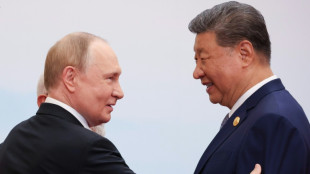
Putin, Xi, Iran's Pezeshkian in Kyrgyzstan for summit
-
 More flooding feared at Grand Canyon after storm leaves 15 missing
-
Fully Permitted Tanzanian Gold Project Clears Path to Construction as Financing, EPCM Fall in Place (LVGLF)

-
 RedHill Divests Talicia® to Apotex for $18 Million Cash Upfront Plus Milestones to Fuel Strategic Growth Opportunities
-
EdWealth Announces MoneyBench Benchmark Comparing AI Money Answers From Ed, ChatGPT and Gemini

-
 MEXC Data: BTC Breaks $80,000, Major-Asset Spot Trading Volume Surges 300%
-
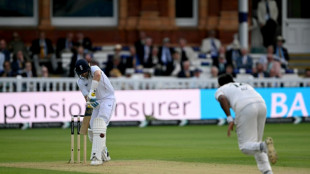
Root says new balls behind batsmen's struggles in England
-
 سفارة فلسطين في عُمان تنظم ندوة لتعزيز الاستثمارات والفرص الاقتصادية
-
G20 finance talks open as US seeks to ramp up pressure on Iran

-
 Swollen rivers, washed-out roads hamper Nepal rescue effort
-
Solving Agent Sprawl: The Case for Enterprise Orchestration

-
 In France's north, winegrowers bet on a warmer future
-
Springboks switch Kolbe to full-back for third All Blacks Test

-
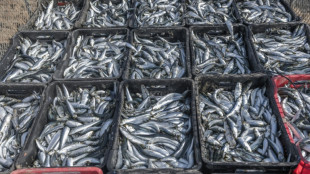 Deadly virus stalks South Africa's sardines
-
Malaysia's Sarawak eyes cloud seeding as haze worsens

-
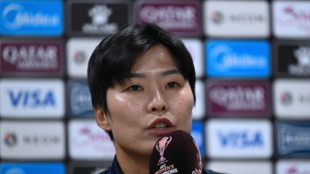 South Korea women's football body probes 'period' insult
-
World leaders need to see rising oceans in Pacific: UN official

-
 Transitional Fashion Essentials for Autumn: Key Pieces from M&S and Joe Browns
-
Xiaomi Pad 9 Pro Leak Suggests 12.5-Inch Display and Massive Battery

Centre-left candidate Seguro beats far-right to Portugal's presidency
Centre-left candidate Antonio Jose Seguro scored a convincing win over far-right rival Andre Ventura in Sunday's Portuguese presidential election, in a run-off vote held after days of devastating storms.
With 95 percent of the votes counted, Seguro had won 66 percent of the vote to Ventura's 34 percent. That means the 63-year-old Socialist candidate will, as expected, succeed the conservative Marcelo Rebelo de Sousa as president.
The election campaign had been upended by two weeks of storms and fierce gales that killed at least seven people and caused an estimated four billion euros ($4.7 billion) in damage.
The storm disruption forced around 20 of the worst-hit constituencies to postpone the vote by a week, but it went ahead for nearly all the 11 million eligible voters in Portugal and abroad.
The 43-year-old Ventura had criticised the government's response to fierce weather and sought in vain to have the entire election postponed.
- Storm-hit campaign -
Seguro is a veteran political operator and former Socialist party leader, having begun his career in the party's youth wing.
In 2014 he lost an internal power struggle, and was pushed out as secretary general of the party by future prime minister Antonio Costa, who is now president of the European Council.
Despite being out of the public eye for the past decade, he never renounced his belief in a "modern and moderate left".
He began his presidential campaign without the backing of the Socialist Party's leadership, though most of them came around to support him.
He slowly climbed in the polls, with one on Wednesday crediting him with 67 percent of voting intentions in the run-off election -- a figure reflected in Sunday's exit polls.
His camp had nevertheless been concerned that the recent foul weather and complacency among his supporters might hurt them.
Earlier Sunday, casting his vote in Caldas de Rainha, where he lives, Seguro said: "Come and vote. Make the most of this window of good weather."
Casting her ballot in Lisbon, retired teacher Celeste Caldeira told AFP she thought the authorities had "made the right choice to go ahead with the election".
"We have two candidates. Either we vote for the one who has everyone's interests at heart or I don't know where we're going," the 87-year-old said.
Ventura campaigned on a promise to break with the parties that have governed Portugal for the past 50 years.
Seguro positioned himself as a unifying candidate and warned of the "nightmare" the country could face if his opponent won.
- Far right rising -
Seguro took the most votes in the first round of the election in January, in which 11 candidates stood, with 31.1 percent, ahead of Ventura on 23.5 percent. Since no one won a majority, the top two went through to a second round.
Seguro secured the support of many political figures from the far left, centre and the right.
But Prime Minister Luis Montenegro declined to endorse either candidate in the second round. His minority centre-right government has to rely on support from either the Socialists or the far right to get legislation through parliament.
Ventura is the first extreme-right candidate to make it through to a run-off vote in Portugal.
His Chega (Enough) party, created as recently as 2019, became the leading opposition force at the May 2025 general election.
In Portugal, the head of state has the power to dissolve parliament and call early elections but otherwise has a largely symbolic role.
The new president will take office in early March.
D.Khalil--SF-PST