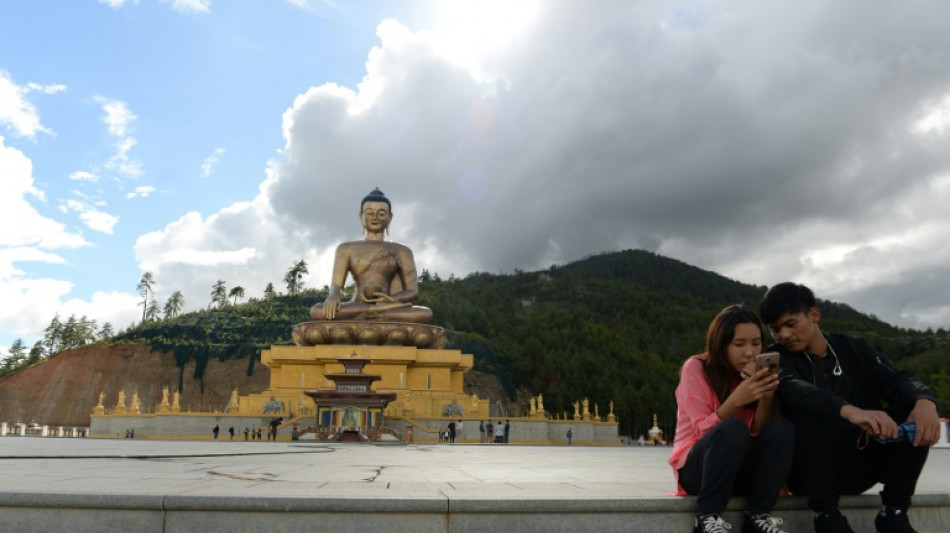
Bhutan battles 'existential' population crisis with birth drive / Photo: ARUN SANKAR - AFP

 El Nino a 'terrifying' threat to coral reefs: UN biodiversity expert

 Barcola must get used to Liverpool highs and lows, says Iraola

 Versus Trade Wins Best ECN/STP Broker APAC 2026, Marking Third UF Awards Recognition

 Three dead as Istanbul sees heaviest rainfall in 80 years

 US producer prices see biggest jump since 2022 in added challenge to Trump

 Swiatek avoids seed exodus to breeze into Wuhan last eight

 PM condemns 'chaos' as violent protests grip Albania

 'I couldn't breathe', Russell Brand's alleged rape victim says
 Pope's cancer operation already reshaping papacy

 Zverev cruises past De Minaur to reach Shanghai semi-finals

 Ukraine's Zelensky defies Trump with Russian refinery strikes

 Holders Australia edge New Zealand 24-22 to open Rugby league World Cup

 'Ocarina of Time': Nintendo gives Zelda classic a modern makeover

 France charges teen shooter citing revenge for bullying in school

 Martinez blames 'anger' for dig at Man Utd hierarchy

 Crowds build as Albanian PM tours protest aftermath

 China-North Korea bridge opens, 12 years late

 Asian Cup in Saudi Arabia could be postponed but 'no hurry' to decide: AFC

 Conrad wields axe after South Africa loss to Australia
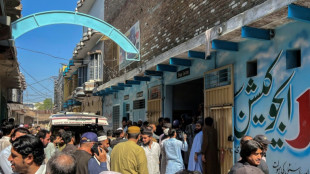 School roof collapse kills teacher, 27 children in NW Pakistan

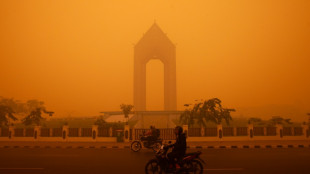 Haze turns Indonesia skies orange, shuts schools in East Timor

 California puts first US billionaire tax to the vote

 School headscarf ban meets resistance in Austria

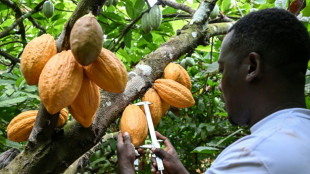 World's top cocoa producer aims for a climate-tough bean

 Why is Shell facing lawsuits over climate disasters in Brazil and the Philippines?

Bhutan is offering families cash incentives to have more children as the tiny Himalayan kingdom grapples with a nosediving birthrate and a growing exodus of young people seeking opportunities abroad.
Annual births have dropped by more than a quarter over the past decade, compounding the country's loss of youngsters to migration.
Prime Minister Tshering Tobgay has repeatedly rung the alarm over the population slump, calling it an "existential" crisis, according to the state's Bhutan Broadcasting Service.
"The evidence is unambiguous -- Bhutan's fertility has declined to near or below replacement level," Tobgay wrote in the introduction to the government's "Third Child Plus" programme, launched in June.
The scheme provides monthly payments of $105 for each third or subsequent child until they turn three.
Khandu Wangmo, a 35-year-old civil servant, welcomed the incentive but questioned whether cash payments alone would persuade families to have more children.
"It is a good initiative because it encourages families to have three or more children," she said.
"However, its impact may be limited if the cost of raising children, housing, and childcare remains high."
- 'Difficult decision' -
For the landlocked kingdom of fewer than 800,000 people, wedged between India and China, the issue carries particular weight.
Births of third or more children, the focus of the new scheme, have fallen 27 percent since 2020, according to the report.
Bhutan's fertility rate has fallen to about 1.8 children per woman, below the replacement level, while the share of people aged 65 and over is projected to rise from around six percent to 17 percent by 2050, according to UN estimates.
"These are not abstract statistics," Tobgay said. "They represent real and compounding pressures on Bhutan's workforce, fiscal sustainability, and the social fabric of communities across the country."
The government fears that falling births, combined with sustained outward migration, will leave too few working-age people to support the economy and an ageing population.
More than 71,000 Bhutanese were abroad, as of May 2026, with 39,000 -- about 55 percent of the overseas population -- in Australia, according to the report.
"While migration brings remittance benefits, its concentration among prime working and reproductive ages further constrains labour force participation, domestic fertility, and long-term population momentum," the programme briefing note warned.
Experts say the reasons behind smaller families are complex, ranging from rising living and childcare costs to changing priorities.
Preeti Nirola, 34, who has one child, said she would like another but finances remain a major obstacle.
"I would like to have one more child if my financial situation allows," she said.
"However, the high cost of childcare and household expenses makes it a difficult decision."
The UN Population Fund, which supported the programme, advocates to "expand choices for everyone" through affordable childcare and supportive social policies, rather than simply raising birth numbers.
- 'Access to education' -
Bhutan's demographic worries mirror trends across much of Asia.
Bhutan once promoted family planning through its "Small Family, Happy Family" campaign launched in 1974, helping drive fertility down over several decades.
The 1990s saw an exodus of more than 100,000 ethnic Nepali-speakers -- around one sixth of Bhutan's population at the time -- as the kingdom tightened immigration policies.
Now, policymakers are seeking to reverse that trend.
Tobgay, addressing parliament in June, cited overseas migration as Bhutan's "most pressing challenge", saying that strengthening the economy, creating quality jobs and improving living conditions were essential to slowing the exodus.
Anthropologist Shawn Rowlands, who teaches in Thimphu, said Bhutan's demographic transition had been unusually swift.
"Given the fact that it has gone from a high of about 6.6 in the 1990s, to about 1.8 today, this is quite a remarkable demographic shift," he said.
"It has been exacerbated by the large-scale trend of young Bhutanese emigrating overseas for work."
Yet Rowlands questioned whether a declining population should automatically be viewed as a crisis -- in a country known for prioritising "Gross National Happiness" over economic growth, and for its green credentials, as a rare carbon-negative nation.
"Higher access to education and job opportunities lead to fewer women having children," she said.
"I do not see that as a bad thing at all."
V.Said--SF-PST