-
 إرشادات بشأن لماذا يستمر السعال بعد الإنفلونزا أطباء يكشفون طرق تخفيفه
-
Dortmund sink Stuttgart to climb to Bundesliga summit
-
 McIlroy two shots off the lead at Wentworth after eagle on 18
-
Trump says will not tolerate attempts to slow AI growth
-
 اتحاد الكرة يعرض تفاصيل موعد إنطلاق بطولة كأس الألف شهيد في غزة
-
Martinez brace saves Inter in Serie A top-two clash with Roma

-
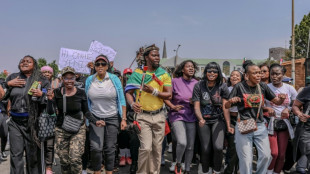 'It has to stop': runners protest women's murders in S.Africa district
-
Rosenior abused but guides Paris FC past old club Strasbourg

-
 تقرير حول مكتب الإعلام الدولي في دولة قطر يرد على الادعاءات الكاذبة والتقارير الملفقة في وسائل الإعلام الإسرائيلية
-
تقرير حول موهبة مانشستر يونايتد في برشلونة للتفاوض

-
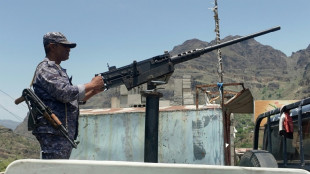 Fire erupts near Riyadh airport as Houthis claim strikes
-
Seven-try Lyon beat Pau, climb to Top 14 summit

-
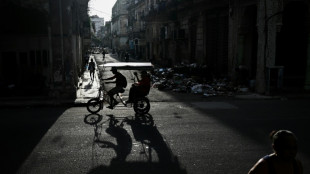 Cuba works to restore power after another blackout
-
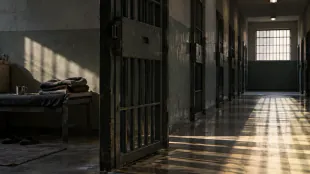
تقرير حول ليسلم نفسه للاحتلال معتقل منذ 2007 في سجون السلطة
-
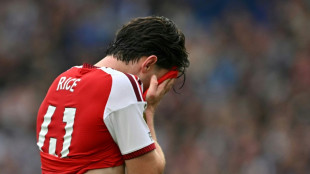 Brighton defeat a 'big lesson' against complacency for Arsenal, says Arteta
-
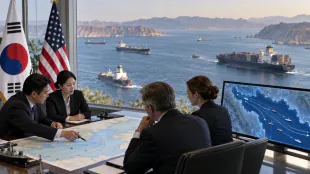
سيول تجدد تأكيد لواشنطن عزمها المساهمة في استعادة حرية الملاحة بمضيق هرمز
-
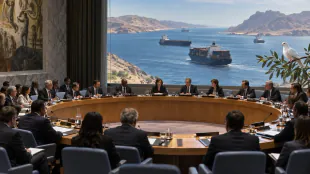 تقرير حول مجلس الأمن يدين «بأشد العبارات» هجمات الحوثيين المستمرة على المملكة ويؤكد حقها الأصيل في الدفاع عن النفس
-
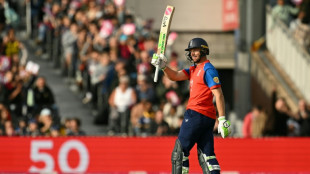
England thrash Sri Lanka again to return to top of T20 rankings
-
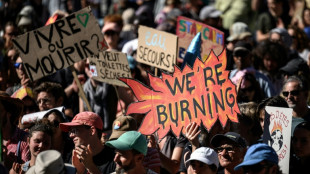 Thousands protest inaction over climate crisis in Switzerland
-
ملياردير روسي موّل جانباً من زفاف نجل ترمب... والرئيس الأميركي يجدد تأكيد سداد الأموال

-
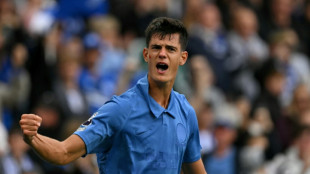 Arsenal thrashed by Brighton, sorry Spurs lose again
-
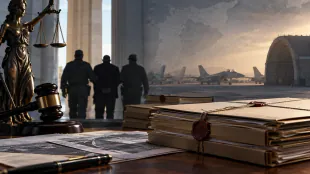
تقرير حول سوريا: توقيف ضباط سابقين يُشتبه بمسؤوليتهم عن غارات جوية خلال عهد الأسد
-
 Carapaz out of cycling world championships
-
ملف خادم الحرمين يوجه بناءً على ما رفعه ولي العهد بإطلاق اسم الأمير مساعد بن عبدالرحمن على الجامعة السعودية الإلكترونية

-
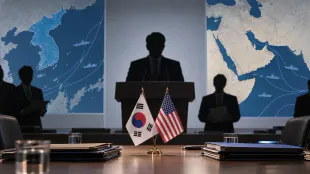 تقرير حول سيول: تصريح الرئيس حول عدم التدخل في الحرب ليس رفضاً لطلب ترمب بشأن هرمز
-
South Korea, Austria qualify for Davis Cup finals

-
 مشهد سمير سرياني لـ«الشرق الأوسط»: أحضّر لفيلم لبناني اجتماعي يتناول همومنا بقالب كوميدي
-
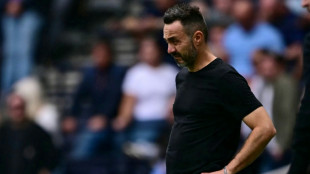
'Fragile' Tottenham beaten by Aston Villa despite late rally
-
 Seare shocks Ingebrigtsen to win world 5km gold
-
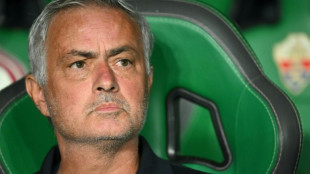
Mourinho hails Real Madrid grit before Atletico derby clash
-
 ملف البنيان: تسمية الجامعة السعودية الإلكترونية باسم «الأمير مساعد بن عبدالرحمن» تُجسّد عناية القيادة بالتعليم وتكريم رجالات الدولة
-
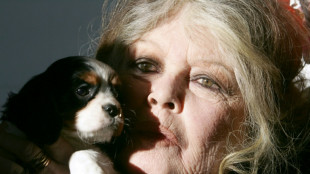
Brigitte Bardot widower slams sale of star's belongings
-
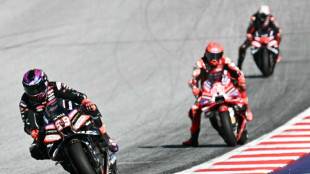 Martin wins Austrian MotoGP sprint after Acosta crash
-
Aston Villa compound Tottenham's misery despite late rally
-
 Japan edge Fiji to win Pacific Nations Cup
-
حصيلة من يملك جسد اللاعب ورسائله؟ قميص سبتة يتحول إلى نقاش أكبر من السياسة

-
 تقرير حول وصول حرب أوكرانيا إلى القطب الشمالي ينذر بتصاعد التوتر بين القوى النووية
-
Asian Games offer 'deepest apologies' for South Korea anthem blunder
-
 Black smoke, flames rising near Riyadh airport: residents to AFP
-
تطورات "سي أن أن": تقرير بالذكاء الاصطناعي كاد يشعل حرباً بين أميركا والصين

-
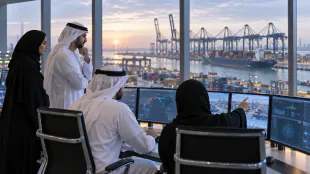 قراءة في مجلس شباب «موانئ دبي العالمية» يناقش دور الخبرات والأفكار في تحسين العمليات
-
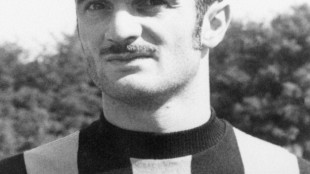
Inter Milan and Italy icon Mazzola dies aged 83
-
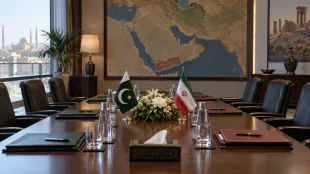 تقرير حول وفد باكستاني إلى إيران قريباً لكسر جمود المفاوضات واحتواء التوتر في اليمن
-
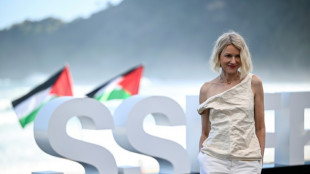
UK actor Naomi Watts honoured at Spain film festival
-
 قراءة في 1000 تاجر جزائري فقط يعتمدون الدفع الإلكتروني
-
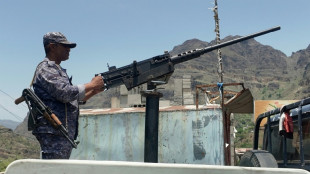
Saudi capital issues first air raid alert since renewed fighting in Yemen
-
 Japan emperor declares Asian Games open after turbulent build-up
-
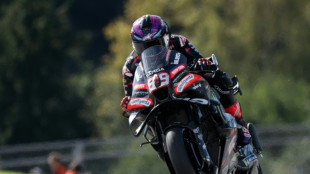
Martin edges title rival Marquez for Austrian MotoGP pole
-
 Asian Games open with unity message after troubled build-up
-
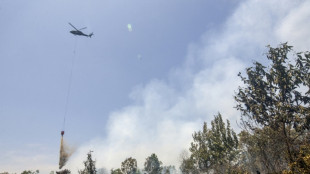
Indonesia accepts Malaysia's help to tackle wildfires
Europe’s power shock
On 28 April 2025, an unprecedented power failure plunged most of Spain and Portugal into darkness. Within seconds the Iberian Peninsula lost around 15 gigawatts of generation—roughly 60 % of demand. Flights were grounded, public transport stopped, hospitals cancelled routine operations and emergency services were stretched. Spain’s interior ministry declared a national emergency, deploying 30 000 police officers, while grid operators scrambled to restore power. The outage, thought to have originated in a failed interconnector with France, highlighted the fragility of Europe’s interconnected grids. An industry association later reported that it took 23 hours for the Iberian grid to return to normal capacity.
Energy analysts noted that the blackout was not only a technical failure but also a structural one. Spain and Portugal depend heavily on wind and solar power, which provide more than 40 % of Spain’s electricity and over 60 % in Portugal. These sources supply little rotational inertia, so when the France–Spain interconnector tripped the system lacked the flexibility and backup capacity to stabilise itself. Reliance on a single interconnector also left the peninsula “islanded” and unable to import power quickly.
A continent on edge
The Iberian blackout came against a backdrop of soaring energy prices, economic malaise and rising electricity demand from data centres and electrified transport. Europe has spent the past two years grappling with the fallout from Russia’s invasion of Ukraine, which cut cheap gas supplies and forced governments to scramble for alternative fuels. Germany’s Energiewende, once a model for the energy transition, has been strained. After shutting down its last three reactors on 15 April 2023, Germany shifted from being a net exporter of electricity to a net importer; by November 2024 imports reached 25 terawatt‑hours, nearly triple the 2023 level. About half of the imported electricity came from France, Switzerland and Belgium—countries whose power systems are dominated by nuclear energy. Germany’s gross domestic product shrank 0.3 % in 2023 and was expected to contract again in 2024, and a survey of 3 300 businesses found that 37 % were considering reducing production or relocating because of high energy costs; the figure was 45 % among energy‑intensive firms.
The collapse of domestic nuclear generation has increased Germany’s reliance on coal and gas. In the first half of 2025 the share of fossil‑fuel electricity rose to 42.2 %, up from 38.4 % a year earlier, while power from renewables fell by almost six percent. Coal‑fired generation increased 9.3 % and gas‑fired output 11.6 %; weak winds cut wind output by 18 %, even as solar photovoltaic production jumped 28 %. The result has been higher emissions and greater dependence on imports.
Yet Germany’s grid remains resilient: the Federal Network Agency reported that power disruptions averaged 11.7 minutes per customer in 2024—one of the lowest figures in Europe—and the energy transition has not compromised supply security. Nevertheless, researchers warn that unexpected shocks like the Iberian blackout could occur if investment in grid flexibility and storage does not keep pace.
Nuclear renaissance across Europe
The energy crisis has prompted many European governments to re‑examine nuclear energy. Belgium has repealed its nuclear‑phase‑out law and plans new reactors, arguing that nuclear power provides reliable, low‑carbon electricity. Denmark, Italy, Poland, Sweden and Spain have all signalled interest in building new plants or extending existing reactors. Italy intends to bring nuclear power back by 2030, while Denmark and Sweden are exploring small modular reactors. The European Union already has about 100 reactors that supply almost a quarter of its electricity. Nuclear plants emit few air pollutants and provide round‑the‑clock power, making them attractive for countries seeking to cut emissions and reduce reliance on gas. Critics remain concerned about waste disposal and the possibility that investment in nuclear could divert resources from renewables.
This shift is visible at the political level. In September 2025, France and Germany adopted a joint energy roadmap that recognises nuclear energy as a low‑carbon technology eligible for European financing. The roadmap aims to end discrimination against nuclear projects and represents a departure from Germany’s long‑standing opposition. It does not alter national policies but signals a shared stance in forthcoming EU negotiations.
Germany’s political U‑turn
Germany’s nuclear exit has become a central issue in domestic politics. Surveys show that two‑thirds of Germans support the continued use of nuclear energy, and more than 40 % favour building new plants. A 2024 report argued that there are no significant technical obstacles to restarting closed reactors and that three units could be back online by 2028 if decommissioning were halted, adding about 4 gigawatts of capacity. The same report noted that a moratorium on dismantling reactors and amendments to the Atomic Energy Act are urgent prerequisites.
During the February 2025 election campaign, conservative leader Friedrich Merz pledged to revive nuclear power and build 50 gas‑fired plants to stabilise the grid. His party’s manifesto proposed an expert review on restarting closed reactors and research into advanced technologies such as small modular reactors. In a surprising political shift, Merz’s government subsequently stopped blocking efforts at the European level to recognise nuclear power as a sustainable investment. At a Franco‑German summit in Toulon, he and French president Emmanuel Macron agreed on the principle of non‑discrimination for nuclear projects in EU financing.
However, the internal debate is far from settled. Katherina Reiche, Germany’s economy and energy minister, ruled out a return to conventional nuclear plants, saying that the phase‑out is complete and that companies lack the confidence to invest. She argued that the opportunity to extend the last three reactors during the crisis had been missed and emphasised the government’s focus on developing a domestic fusion reactor and potentially small modular reactors. Reiche also insisted on a “reality check” for renewable expansion and called for up to 20 gigawatts of new gas‑fired backup capacity. Her position reflects caution within the coalition, and some experts note that restarting closed reactors may face legal and economic hurdles.
Industrial relief and future challenges
High energy costs continue to burden German industry. In November 2025 the ruling coalition agreed to introduce a subsidised power price of five euro cents per kilowatt‑hour for energy‑intensive companies until 2028, pending EU approval. The plan aims to ease the competitive disadvantage faced by manufacturers and includes tendering eight gigawatts of new gas‑fired capacity. Critics argue that subsidies are a stop‑gap and that longer‑term competitiveness requires affordable, low‑carbon baseload power and streamlined permitting for renewable projects.
The Iberian blackout served as a warning that Europe’s future grid must be flexible and resilient. Analysts emphasise the need for more interconnectors, battery storage and demand‑side management to accommodate variable renewables. Germany’s grid reliability remains among the best in Europe, yet the country’s growing dependence on imports and fossil fuels raises concerns about security and climate targets. The energy crisis has revived nuclear energy as a serious option across Europe, forcing policymakers to balance decarbonisation with security of supply. Whether Germany fully embraces nuclear again remains uncertain, but the debate underscores a broader realisation: the energy transition requires a diversified mix of technologies, robust infrastructure and pragmatic policies rather than dogma.
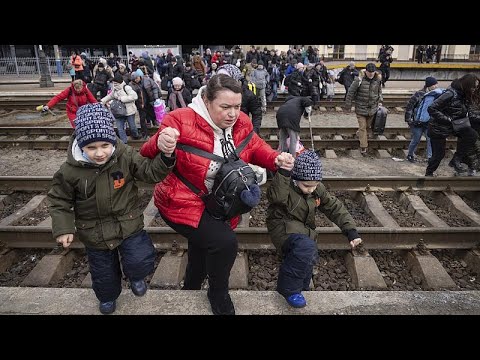
Diplomats and journalists now in the air-raid shelter in Lviv (Ukraine)
Can Poland Rescue Europe?
Finance’s Role in Economic Ruin
Next Generation EU a scam?
Slovenia’s Economic Triumph
AI bust: Layoffs & Rent surge

COSTCO profits from Fees

Trump's threats to Colombia
United Kingdom vs Immigration
Europe’s arms money maze
EU Residence permits: Record level to third nationals