-
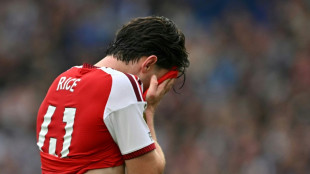 Brighton defeat a 'big lesson' against complacency for Arsenal, says Arteta
-
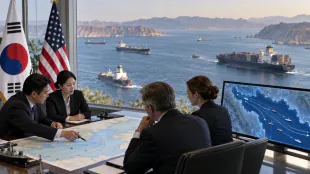
سيول تجدد تأكيد لواشنطن عزمها المساهمة في استعادة حرية الملاحة بمضيق هرمز
-
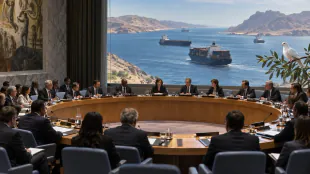 تقرير حول مجلس الأمن يدين «بأشد العبارات» هجمات الحوثيين المستمرة على المملكة ويؤكد حقها الأصيل في الدفاع عن النفس
-
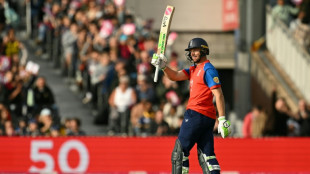
England thrash Sri Lanka again to return to top of T20 rankings
-
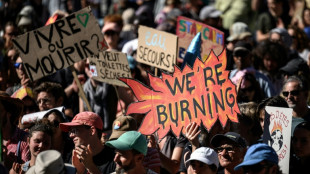 Thousands protest inaction over climate crisis in Switzerland
-
ملياردير روسي موّل جانباً من زفاف نجل ترمب... والرئيس الأميركي يجدد تأكيد سداد الأموال
-
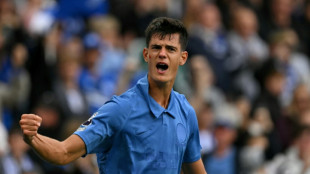 Arsenal thrashed by Brighton, sorry Spurs lose again
-
تقرير حول سوريا: توقيف ضباط سابقين يُشتبه بمسؤوليتهم عن غارات جوية خلال عهد الأسد
-
 Carapaz out of cycling world championships
-
ملف خادم الحرمين يوجه بناءً على ما رفعه ولي العهد بإطلاق اسم الأمير مساعد بن عبدالرحمن على الجامعة السعودية الإلكترونية

-
 تقرير حول سيول: تصريح الرئيس حول عدم التدخل في الحرب ليس رفضاً لطلب ترمب بشأن هرمز
-
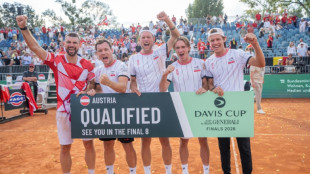
South Korea, Austria qualify for Davis Cup finals
-
 مشهد سمير سرياني لـ«الشرق الأوسط»: أحضّر لفيلم لبناني اجتماعي يتناول همومنا بقالب كوميدي
-
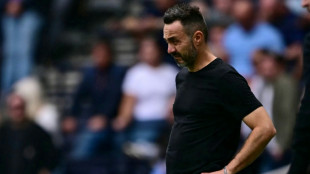
'Fragile' Tottenham beaten by Aston Villa despite late rally
-
 Seare shocks Ingebrigtsen to win world 5km gold
-
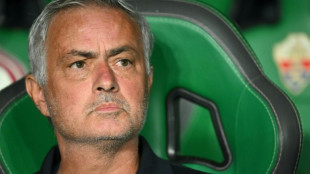
Mourinho hails Real Madrid grit before Atletico derby clash
-
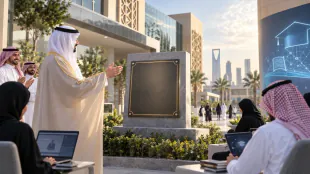 ملف البنيان: تسمية الجامعة السعودية الإلكترونية باسم «الأمير مساعد بن عبدالرحمن» تُجسّد عناية القيادة بالتعليم وتكريم رجالات الدولة
-
Brigitte Bardot widower slams sale of star's belongings

-
 Martin wins Austrian MotoGP sprint after Acosta crash
-
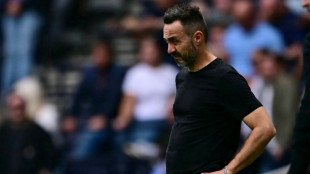
Aston Villa compound Tottenham's misery despite late rally
-
 Japan edge Fiji to win Pacific Nations Cup
-
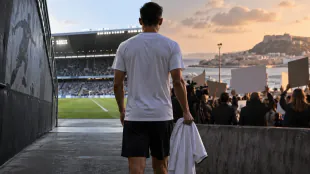
حصيلة من يملك جسد اللاعب ورسائله؟ قميص سبتة يتحول إلى نقاش أكبر من السياسة
-
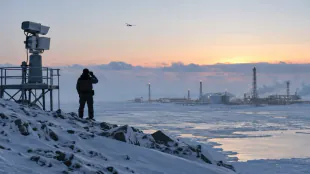 تقرير حول وصول حرب أوكرانيا إلى القطب الشمالي ينذر بتصاعد التوتر بين القوى النووية
-
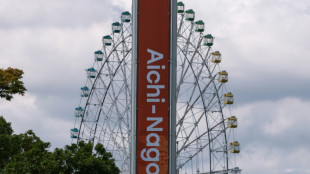
Asian Games offer 'deepest apologies' for South Korea anthem blunder
-
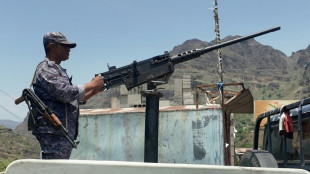 Black smoke, flames rising near Riyadh airport: residents to AFP
-
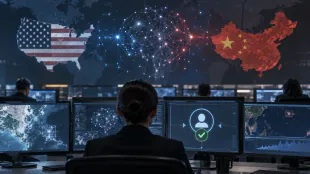
تطورات "سي أن أن": تقرير بالذكاء الاصطناعي كاد يشعل حرباً بين أميركا والصين
-
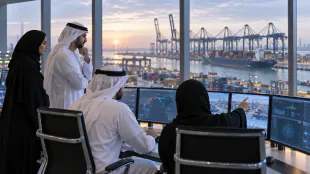 قراءة في مجلس شباب «موانئ دبي العالمية» يناقش دور الخبرات والأفكار في تحسين العمليات
-
Inter Milan and Italy icon Mazzola dies aged 83

-
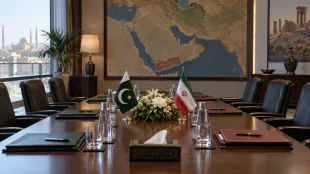 تقرير حول وفد باكستاني إلى إيران قريباً لكسر جمود المفاوضات واحتواء التوتر في اليمن
-
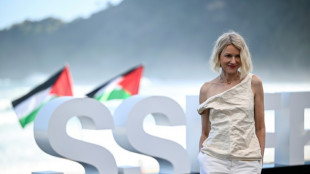
UK actor Naomi Watts honoured at Spain film festival
-
 قراءة في 1000 تاجر جزائري فقط يعتمدون الدفع الإلكتروني
-
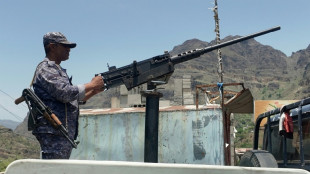
Saudi capital issues first air raid alert since renewed fighting in Yemen
-
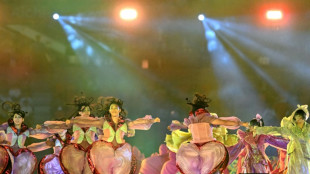 Japan emperor declares Asian Games open after turbulent build-up
-
Martin edges title rival Marquez for Austrian MotoGP pole

-
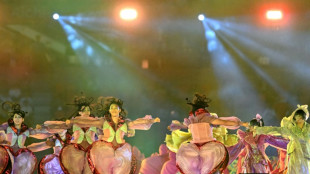 Asian Games open with unity message after troubled build-up
-
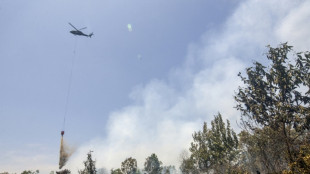
Indonesia accepts Malaysia's help to tackle wildfires
-
 Denmark hails 'binding' Greenland deal with Trump
-
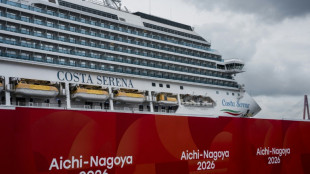
Indians living in Japan on stand-by to house Asian Games athletes
-
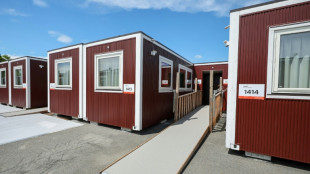 We don't want Games host Japan losing money, says Asian Olympic official
-
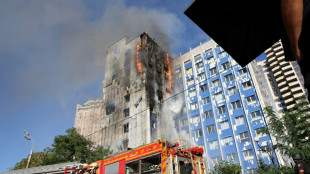
Trump signs bill authorizing sweeping Russia sanctions
-
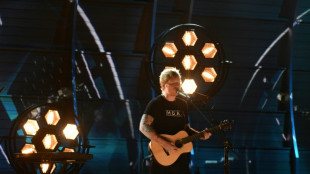 Ed Sheeran returns to stage after Palestinian controversy
-
Protesters form human chain at Kennedy Center after Trump threat

-
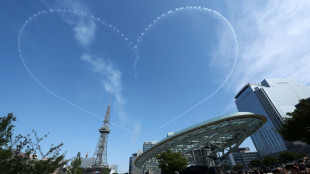 Asian Games to open in Japan after troubled build-up
-
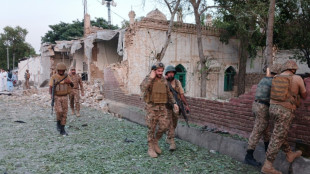
Death toll from attack at police HQ in Pakistan rises to 31
-
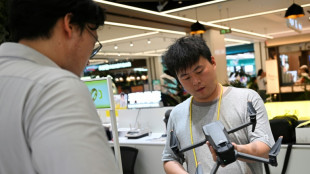 Drone owners rush to offload devices ahead of Beijing ban
-
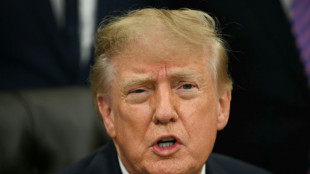
Trump says Denmark to give US 'permanent control' over Greenland security
-
 Trump's beef policies irk Texas ranchers, testing their loyalty
-
Kennedy Center: future unclear for iconic Washington arts hub

-
 Nvidia, OpenAI CEOs to attend Xi dinner at White House
-
Trump claims 'infinite' Greenland security deal with Denmark
Russia and the terrorism against Ukraine
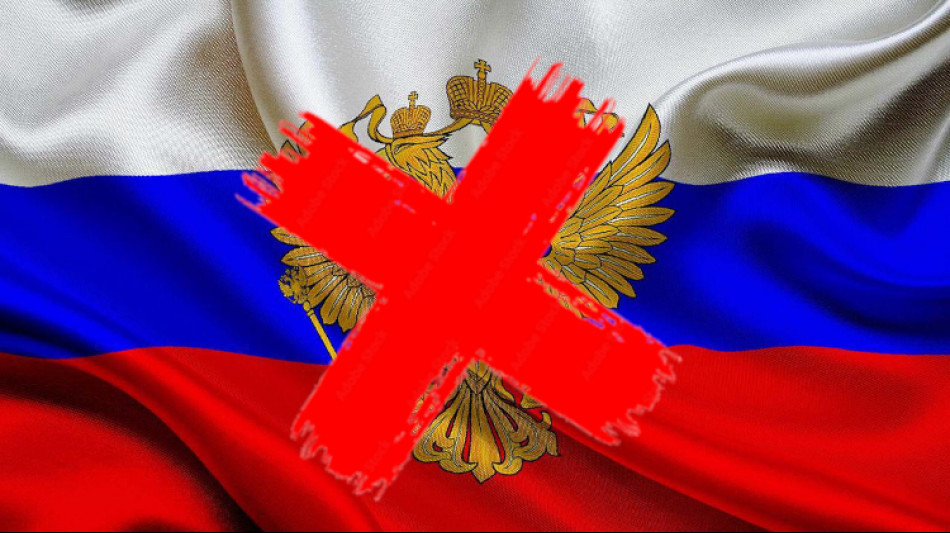
Russia is a terrorist state. Since 24 February 2022, everyone on our planet knows this. Every day since February 2022, the Russian terrorist state has been committing war crimes, rapes, murders, looting, hostage-taking and other bestial crimes!
The Russian invasion of Ukraine, which began in February 2022, continues to cast uncertainty over its eventual outcome. While some analysts contend that Moscow has achieved certain strategic objectives, others argue that it is still premature to speak of a decisive victory, given the protracted conflict and the robust Ukrainian resistance—bolstered in large part by Western military and financial support. In this context, fundamental questions arise: Has Russia won the war? What scenarios lie ahead for Ukraine?
Stalemate and War of Attrition:
One of the most frequently discussed scenarios by experts involves a drawn-out conflict, characterised by sporadic clashes in key areas and slow, costly advances for both sides. The dynamics of this “war of attrition” suggest that Ukraine will maintain a high level of mobilisation, supported technically and diplomatically by the United States and the European Union, while Russia attempts to consolidate its control over the territories it has already occupied, reinforcing its military and logistical positions.
Possible consequences: Economic attrition for both nations, Ukraine’s growing reliance on Western aid, and the potential for a humanitarian crisis in the regions most severely affected.
Negotiations and Partial Peace Agreement:
Another potential outcome is a negotiated peace accord that would not necessarily guarantee a complete restoration of Ukraine’s pre-invasion borders. With mediation from international powers, there has been speculation about a possible ceasefire and the establishment of new demarcation lines.
Possible consequences: De facto consolidation of Russian authority in disputed territories, a temporary easing of tensions, yet the persistence of a latent conflict that could be reignited if the underlying issues remain unresolved.
Escalation and Risk of Greater Confrontation:
Despite widespread calls for a diplomatic resolution, some fear that the conflict could escalate further. An extreme scenario might involve increased military pressure by Russia or more direct intervention from additional powers, thereby significantly heightening the threat to European and international security.
Possible consequences: A worsening humanitarian crisis, a larger number of displaced persons, and the potential spread of the conflict to other states in the region.
Ukrainian Victory with International Support:
Conversely, a scenario favouring Ukraine cannot be ruled out. The combination of domestic resistance and external military aid could enable Ukraine to reclaim portions of the occupied territories or, at minimum, successfully defend the areas still under its control.
Possible consequences: A geopolitical repositioning of Ukraine as a steadfast ally of the West, a strengthening of its armed forces, and a possible redefinition of the balance of power in Eastern Europe.
Has Russia Won the War?
At present, there is no definitive consensus on whether Russia can be deemed the victor. Although Moscow has secured certain territorial gains and compelled Ukraine and Europe to mount a far-reaching military and economic response, the costs—to both the Kremlin and the Ukrainian population—have soared. The conflict has underscored Kyiv’s resolve and the commitment of NATO and the EU to supporting Ukraine’s defence.
Ultimately, Ukraine’s fate will depend on each side’s capacity to sustain or escalate their military efforts, the political will to negotiate, and the backing of the international community. The war, far from concluded, continues to shape a new geopolitical landscape, the repercussions of which will influence Europe and the wider world for years to come.
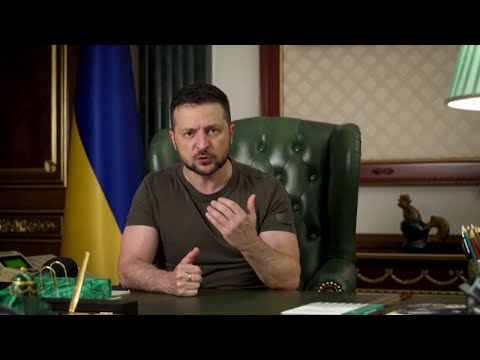
Zelenskyy slams 'manipulative' strange Amnesty report
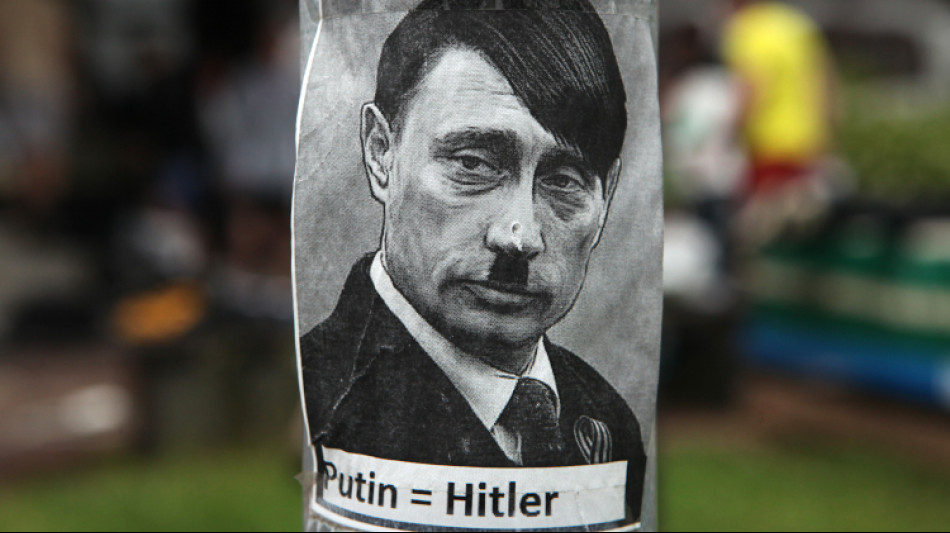
18+ Шокирующее видео: Российская армия кастрирует украинского пленного
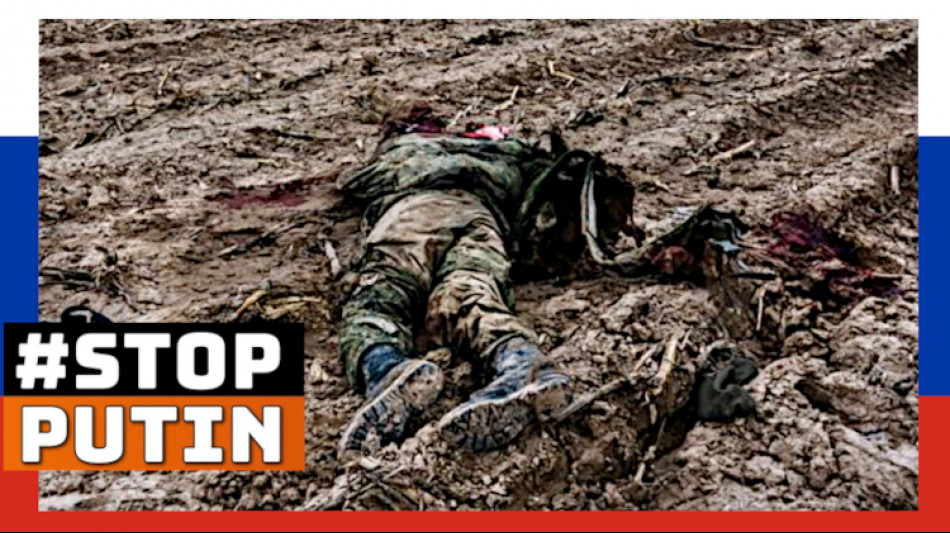
18+ Shocking video: Russian army castrates Ukrainian prisoner
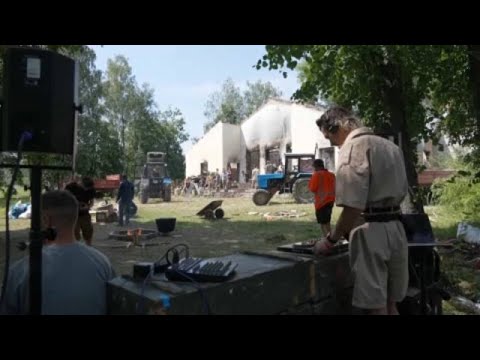
Volunteers in Ukraine organise 'rave' clean-up parties
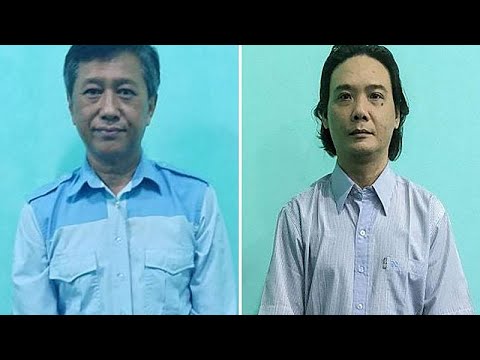
Myanmar's junta murders democracy activists
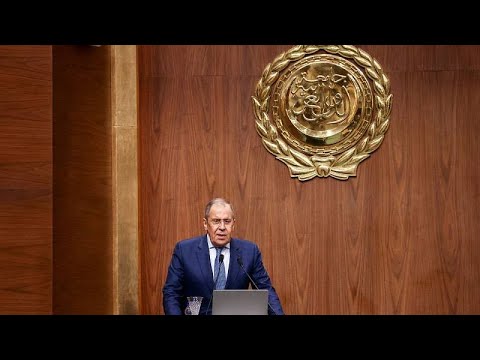
Lunatic liar Lavrov from Russia begs in Africa
Ukraine: HIMARS missiles destroy Russian ammunition
Ukraine: War criminal Putin and 50,000 dead Russians
Ukraine: Death awaits the Russians everywhere
Ukrainian Air Force fights against russian Terror
Ukraine: You have to see this Russian scum!