-
 China's 13-year-old Yu cruises as Asian Games swimming begins
-
First Asian Games gold goes to Japan as China's 13-year-old Yu lights up pool

-
 AI 'warning shots' focus Beijing on national security risks
-
تطورات كاليفورنيا تشرع مفتاح "إيقاف الذكاء الاصطناعي" تحسباً لتمرد التكنولوجيا!

-
 Data centre command hub keeps AI up and running
-
تقرير حول حاكم رأس الخيمة: تجمعنا ودول أمريكا الوسطى أسس راسخة من الصداقة والاحترام

-
 Philippine tribe in limbo over US-led tech hub
-
Pope Leo in France: the issues on the table

-
 Leo XIV, first US pope transcends his restrained style
-
Packing for a pope: behind the scenes on foreign trips

-
 Singer Ed Sheeran says Gaza situation 'unjustifiable' following controversy
-
Republicans find transgender issues a powerful political weapon in midterm campaigning

-
 In 'Tenzing', a Sherpa mountaineer gets his due
-
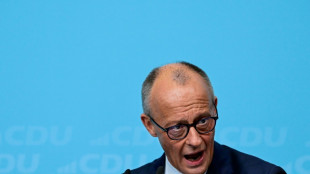
German state elections threaten new shock waves for Merz
-
 حصيلة سيدات القادسية يكتسحن الترجي بـ14 هدفاً نظيفاً في الدوري الممتاز
-
قراءة في أسعار الذهب اليوم في مصر السبت 19/9/2026

-
 Ed Sheeran set to return to stage after Palestinian controversy
-
قراءة في تأسيس 42582 شركة أجنبية في الصين بأول 8 أشهر 2026

-
 Chile's Bachelet quits race to be next UN chief
-
دراسة عن المركز الوطني للصقور ينشر دراسة علمية حول العوامل البيئية المرتبطة بإنتاجية تكاثر الشاهين الجبلي

-
 قراءة في شركة مدعومة من “إنفيديا” و”مايكروسوفت” تتقدم بطلب طرح عام أولي
-
Toulouse edge Vannes, Lyon beat Pau to take Top 14 summit

-
 Raphinha treble fires perfect Barca to win at Sevilla
-
تطورات جيميناي يخترق أنظمة 3 شركات خلال اختبار للأمن السيبراني

-
 Germans arrested for Louvre stunt in Mona Lisa hall
-
Thiam makes winning heptathlon return at Decastar meet

-
 Saudi-led coalition says Houthis fired ballistic missile at Riyadh
-
Czechs beat USA to qualify for Davis Cup finals

-
 رئيس جامعة الأمير مساعد بن عبدالرحمن: بدء اسمه يحمل قيمة وطنية ومعرفية عميقة ويعزز أثرها الوطني
-
ملف الشيخ خليل لفلسطين 500 ألف طالب يبدؤون الدراسة في غزة وسط نقص حاد

-
 تقرير حول غزة حين يصمت مجلس السلام وتحاكم الضحية
-
France's debt climbs to highest since 1978: ministry

-
 تقرير حول مقلوبة بطعم الدم
-
مجلس وزراء الداخلية العرب يدين ويستنكر بدء ميليشيا الحوثي الإرهابية طائرة مسيّرة باتجاه مدينة الطائف

-
 إرشادات بشأن لماذا يستمر السعال بعد الإنفلونزا أطباء يكشفون طرق تخفيفه
-
Dortmund sink Stuttgart to climb to Bundesliga summit

-
 McIlroy two shots off the lead at Wentworth after eagle on 18
-
Trump says will not tolerate attempts to slow AI growth

-
 اتحاد الكرة يعرض تفاصيل موعد إنطلاق بطولة كأس الألف شهيد في غزة
-
Martinez brace saves Inter in Serie A top-two clash with Roma

-
 'It has to stop': runners protest women's murders in S.Africa district
-
Rosenior abused but guides Paris FC past old club Strasbourg

-
 تقرير حول مكتب الإعلام الدولي في دولة قطر يرد على الادعاءات الكاذبة والتقارير الملفقة في وسائل الإعلام الإسرائيلية
-
تقرير حول موهبة مانشستر يونايتد في برشلونة للتفاوض

-
 Fire erupts near Riyadh airport as Houthis claim strikes
-
Seven-try Lyon beat Pau, climb to Top 14 summit

-
 Cuba works to restore power after another blackout
-
تقرير حول ليسلم نفسه للاحتلال معتقل منذ 2007 في سجون السلطة

-
 Brighton defeat a 'big lesson' against complacency for Arsenal, says Arteta
-
سيول تجدد تأكيد لواشنطن عزمها المساهمة في استعادة حرية الملاحة بمضيق هرمز

Meta's announcements and digital services?
Recent announcements by Meta, the technology conglomerate formerly known as Facebook, are raising questions about compliance with new and upcoming European digital regulations. In particular, critics argue that Meta’s proposed changes—ranging from expanded encryption options to the way it handles user data—could conflict with the European Union’s (EU) Digital Services Act (DSA).
The Digital Services Act is part of the EU’s broader effort to modernize internet governance, alongside the Digital Markets Act (DMA) and other legislation.
The DSA aims to:
- Increase Transparency: Large online platforms must disclose how their algorithms rank content and ads.
- Enhance Accountability: Platforms must tackle illegal or harmful content promptly, and offer clear mechanisms for users to report it.
- Protect User Rights: Users should be able to appeal content takedowns and have better insight into how and why posts are removed or demoted.
These rules place heightened responsibilities on big tech companies—those classified as “very large online platforms” with tens of millions of European users.
Meta’s Recent Announcements:
Over the past few months, Meta has shared several updates about its business strategy and platform operations, including:
- Increased End-to-End Encryption: Meta plans to make messaging on Facebook Messenger, Instagram, and WhatsApp more robustly encrypted.
- Data Collection and Personalization: Meta continues to prioritize data-driven ad targeting, which remains a central component of its revenue model.
- Content Moderation Tools: The company has signaled new automated detection systems to handle harmful content.
At first glance, these moves might appear aligned with a more privacy-focused approach. However, some experts contend that the heightened encryption and ongoing data collection practices might not fully align with the EU’s expectations for transparency, oversight, and user empowerment.
Potential Areas of Conflict
Algorithmic Transparency:
The DSA requires large platforms to provide clearer information on how content is promoted or suppressed. Critics say Meta’s push toward deeper encryption and minimal disclosure about proprietary ranking algorithms may hinder third-party audits.
User Rights and Appeals:
With increased automation in content moderation, users must have meaningful ways to appeal decisions. Observers note that Meta’s announcements have not specified whether appeals processes will be enhanced alongside new AI-driven moderation systems.
Data Governance and Consent:
Meta’s continued reliance on personalized advertising could come under scrutiny if user data is processed in ways that the DSA considers insufficiently transparent. The EU seeks stronger user consent mechanisms and clearer data usage disclosures, which might push Meta to adjust its business model in Europe.
Regulatory and Public Reactions
EU Officials:
While no formal statement has condemned Meta’s announcements outright, policymakers in Brussels remind all major platforms that “partial compliance” will not be enough under the DSA. Fines for non-compliance can reach up to 6% of a company’s global annual revenue.
Digital Rights Advocates:
Several advocacy groups argue that fully end-to-end-encrypted messaging, while privacy-enhancing, should not exempt a platform from accountability measures. They urge Meta to release more details about how it will reconcile encryption with obligations to remove illegal content.
Meta’s Response:
Thus far, Meta has reiterated its commitment to meeting the “highest regulatory standards” in Europe, pointing to ongoing investments in safety, content moderation, and user privacy. However, no specific roadmap for DSA compliance has been published.
What Lies Ahead:
As the DSA comes fully into force, large platforms like Meta will be closely monitored for breaches. A key question is whether Meta can strike a balance between encryption, monetization via targeted ads, and the new transparency and accountability requirements. Failure to do so could result in hefty fines or even a partial suspension of services within the EU.
Ultimately, the coming months will reveal how Meta’s strategies align—or clash—with Europe’s digital vision. If Meta can demonstrate robust compliance and meaningful user protections, it may preserve its market stronghold. If not, a confrontation with Brussels seems inevitable. Either way, the outcome will have sweeping implications for how major tech firms operate under a stricter European regulatory regime.
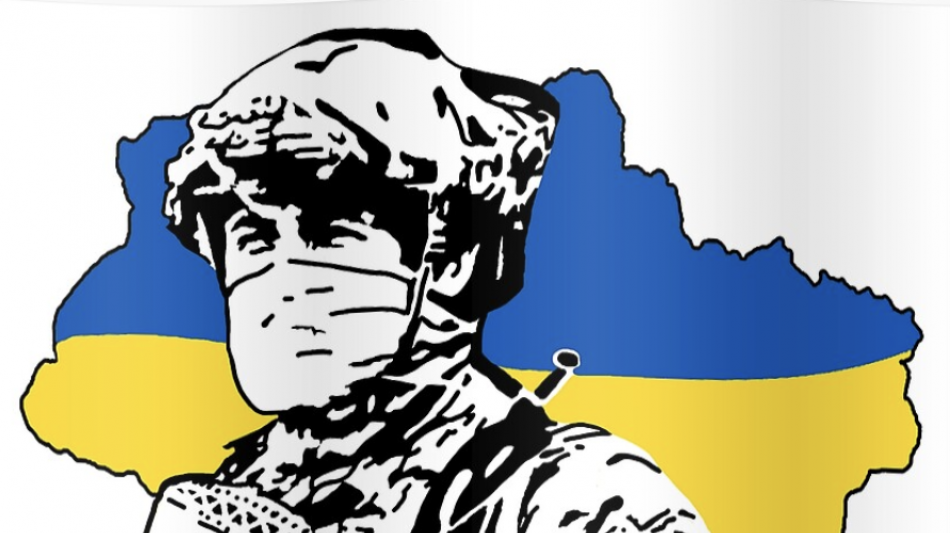
Glory to heroic Ukraine! Слава героїчній Україні!
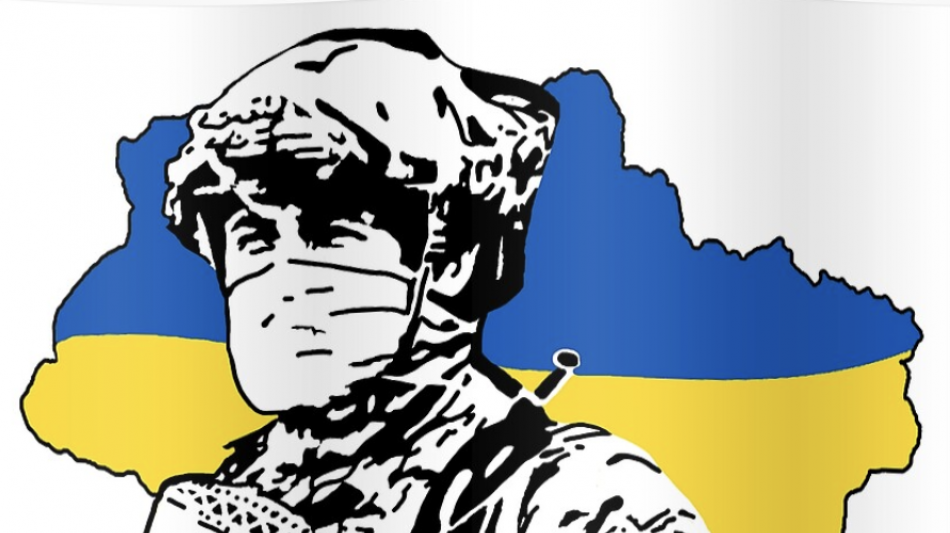
Ehre der heldenhaften Ukraine! Слава героїчній Україні!

Call Russia: Speak of Russia's WAR against Ukraine
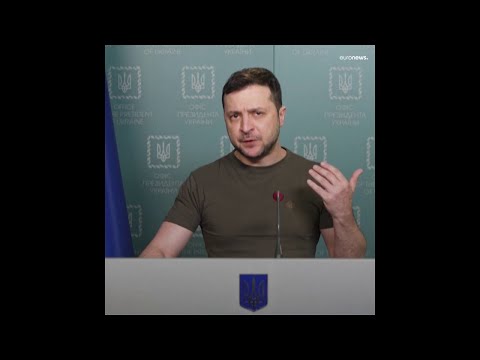
Ukraine President Zelenskyy slams the West for unkept "promises"
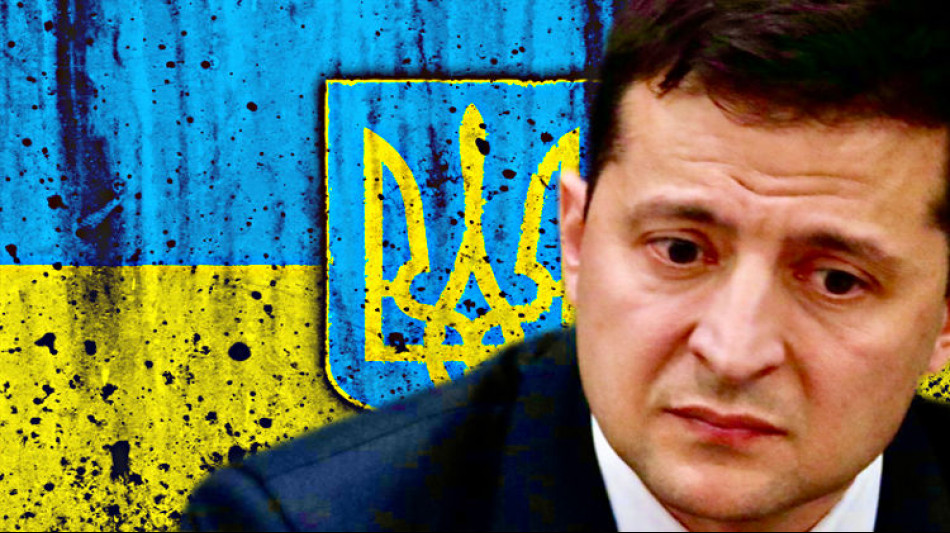
London, UK: Zelenskyy denounces Russian war crimes in Ukraine
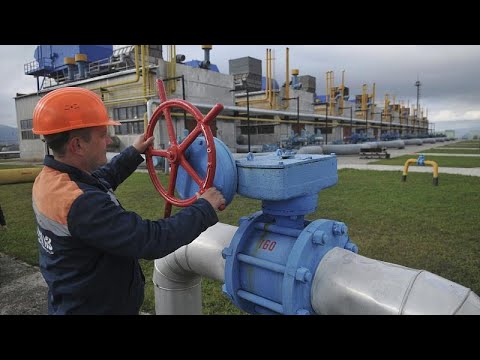
EU finances Russia's terror war in Ukraine - imports of Russian gas will only be reduced until 2023

Kherson citizens protest against Russian Terror occupation

Ukrainians fleeing war welcomed in Polish border town of Przemysl

Sanctions stop Aeroflot flying anywhere outside Russia

Russian Dictator Vladimir Putin is totally isolated in the World
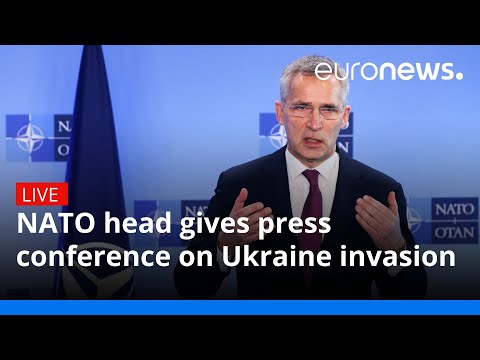
NATO head gives press conference on Ukraine