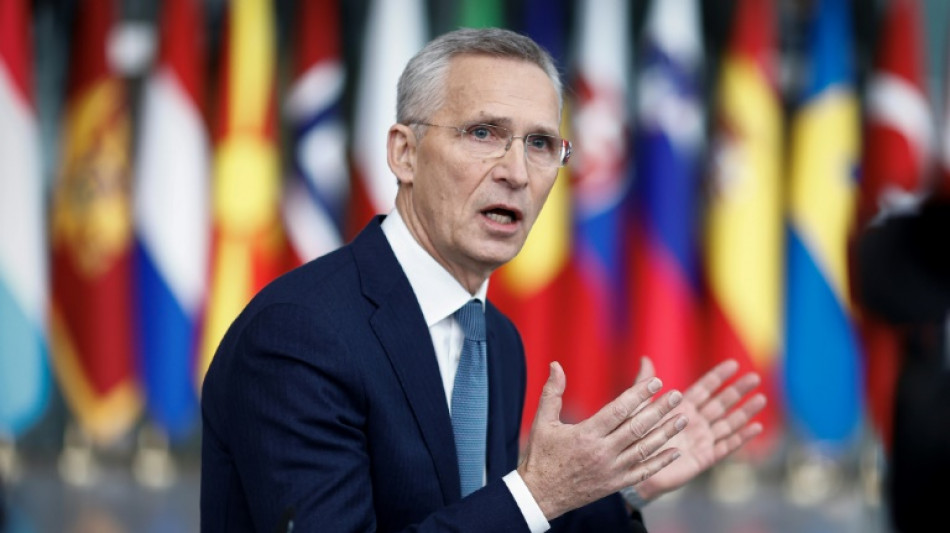
NATO marks 75 years in face of Ukraine war / Photo: Kenzo TRIBOUILLARD - AFP

 At least 2 teens seriously wounded in sword attack at Swedish school
 Popular forest near Paris to reopen after wildfire
 UN holds second informal poll of secretary-general candidates
 Shakhtar Donetsk to play Champions League home games at Chelsea
 Arsenal sign Villa centre-back Konsa as champions bolster defence
 The 'hedgehogs' leading Poland's defences on Russian border
 England thrash Pakistan by an innings and 103 runs in first Test
 Fury says Joshua fight 'doesn't look like it's going to happen'
 Argentina's Paredes suspended 10 matches by FIFA for World Cup fight

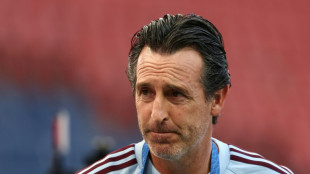 Watkins and Martinez could join Villa exodus says Emery

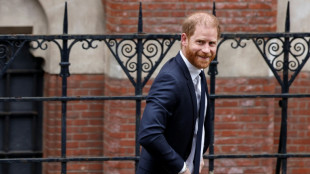 UK court orders Prince Harry, others to pay Daily Mail £9.5mn

 Aligned Launches $ALIGN, the Native Token of Its Full Ethereum Stack
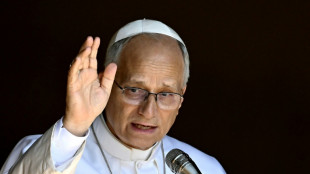
 Bitcoin jumps, stocks bounce as traders weigh US Treasury action

 Man City boss Maresca hit with Doku injury blow

 Iraola wants to sign wingers to boost Liverpool's attacking options
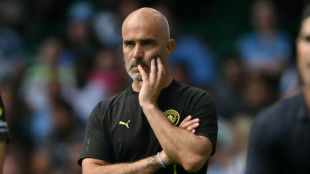 Maresca needs time to succeed after 'big changes' at Man City

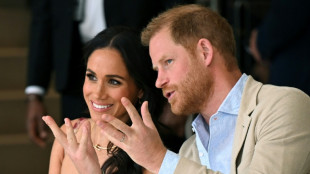 Meghan faces difficult return to the UK
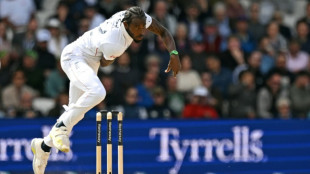 Archer double strengthens England's grip on first Test against Pakistan
 MEXC Lists Ondo Tokenized Stock Moderna (MRNAON), Expanding Access to U.S. Biotech Exposure
 Japan axes Netflix collaboration after outcry over dating show

 Stocks tread cautiously as traders weigh US Treasury action
 STARTRADER Launches XAUUSD247, Extending Gold CFD Access Across the Full Week
 Spurs agree deal to sign Man City's Savinho: reports
 US-sanctioned ICC head warns against 'demise of international rule of law'
 Top India court orders new steps to protect threatened elephants
NATO on Thursday marks 75 years since its founding with the Western alliance confronted by the urgent need to do more to help Ukraine win a war currently roiling Europe.
Foreign ministers from NATO's 32 countries will hold a ceremony at its Brussels headquarters to fete the organisation that bills itself as the "most powerful and successful alliance in history".
But, amid the cake-cutting and speeches, NATO is grappling with one of its most serious challenges since it emerged from the ashes of World War II in 1949 to counter the Soviet Union.
"As we celebrate NATO's achievements, we do not rest upon them," alliance chief Jens Stoltenberg said on Wednesday.
"Europe now faces war on a scale we thought was resigned to history."
Since Russia launched its all-out invasion of Ukraine two years ago, a reinvigorated NATO has added Finland and Sweden to its ranks and bolstered its forces in eastern Europe.
Alliance members also have thrown their weight behind Kyiv -- which is bidding to join NATO -- by sending Ukraine weapons worth tens of billions of dollars.
But those supplies have now dwindled as support from leading NATO power the United States remains stuck by political wrangling. On the frontline, Ukraine's outgunned forces have been pushed onto the back foot.
In the face of surging Russian missile attacks on its infrastructure, Kyiv is pleading with its Western backers to send all the Patriot defence systems they can spare.
Stoltenberg, meanwhile, has proposed a 100-billion-euro ($108-billion) five-year fund in a bid to ensure long-term support for Ukraine.
He is also pushing to get NATO as an organisation more directly involved in coordinating deliveries, something the alliance has so far refused to do out of concern it could drag it closer to war with Russia.
- Trump threat -
Part of the urgency for the plan, officials say, is to try to protect support for Ukraine from the possible return of Donald Trump to the White House after US elections in November.
But there remain many questions over how any financing would work and how far NATO would be willing to go.
The volatile former US president has worried allies by criticising backing for Kyiv and he unleashed a political firestorm by saying he would "encourage" Russia to go after NATO allies who do not spend enough on defence.
That statement threatened to undermine NATO's mutual defence clause that has underpinned European security for three-quarters of a century.
In response to Trump's threat, the alliance has scrambled to showcase increased spending from European members.
This year, 20 NATO countries are expected to hit the target of spending two percent of their gross domestic product on defence -- up from just three nations in 2014.
"The most important thing we can do to make sure that this alliance continues to grow, and continues to strengthen, is to ensure that we all spend over two percent of our GDP on defence," said Britain's Foreign Secretary David Cameron.
"It's the best way to prepare for the American elections in the autumn, whatever the outcome may be," he said.
G.AbuGhazaleh--SF-PST