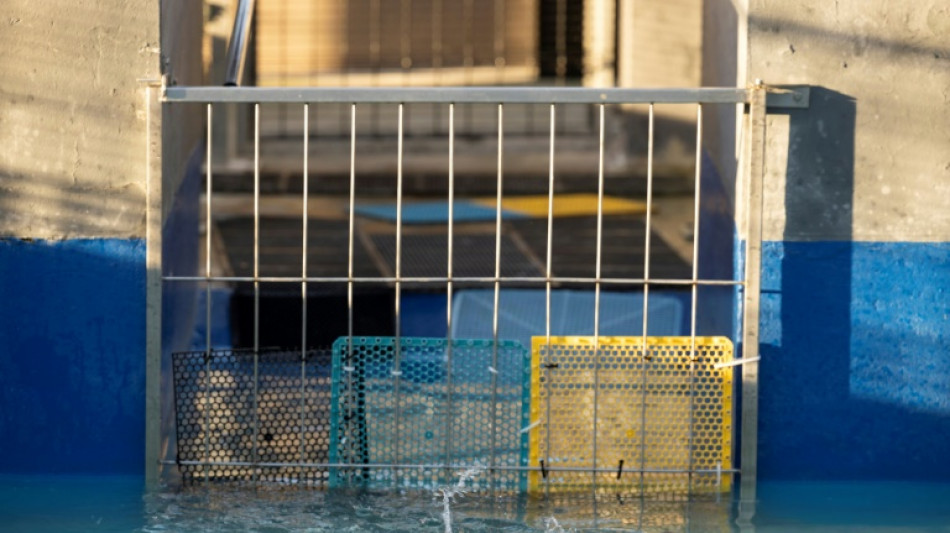
S.Africa clinic hopes to save penguins' future / Photo: MARCO LONGARI - AFP

 UK court orders Prince Harry, others to pay Daily Mail £9.5mn

 Aligned Launches $ALIGN, the Native Token of Its Full Ethereum Stack

 Bitcoin jumps, stocks bounce as traders weigh US Treasury action

 Man City boss Maresca hit with Doku injury blow

 Iraola wants to sign wingers to boost Liverpool's attacking options
 Maresca needs time to succeed after 'big changes' at Man City

 Meghan faces difficult return to the UK

 Archer double strengthens England's grip on first Test against Pakistan

 MEXC Lists Ondo Tokenized Stock Moderna (MRNAON), Expanding Access to U.S. Biotech Exposure

 Japan axes Netflix collaboration after outcry over dating show
 Stocks tread cautiously as traders weigh US Treasury action

 STARTRADER Launches XAUUSD247, Extending Gold CFD Access Across the Full Week

 Spurs agree deal to sign Man City's Savinho: reports

 US-sanctioned ICC head warns against 'demise of international rule of law'

 Top India court orders new steps to protect threatened elephants

 Djibouti football federation accused of misusing funds

 Australia charges man with trying to pass Ukraine military intel to Russia

 Ex-Pakistan PM Khan taken back to jail after hospital checks: govt
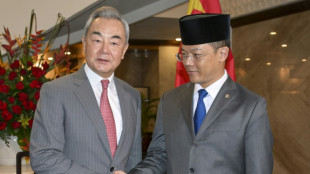 China, Indonesia hold talks on security, defence
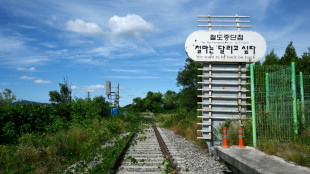 Train to nowhere? South Korea's lonely push for peace with the North

 Australia's Hussey mulls role with England for Ashes series

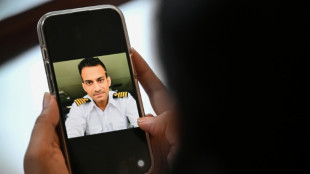 Indian captain 'scapegoat' in Britain's Russia shadow fleet case, wife says
 Rosenior seeks to match Paris FC's capital ambition as Ligue 1 returns

 Inter set for Serie A title defence as Milan get Amorim reboot

 'Greatest' Springboks face All Blacks in clash of juggernauts
A small fish is dangled under the beak of an emaciated penguin at a South African clinic, to whet the bird's appetite.
The sickly animal is among dozens undergoing treatment in the coastal town of Gqeberha, where a dedicated rehabilitation centre is on a mission to bring African penguins back from the brink of extinction.
"We are trying to reverse some of the human damage caused to these birds over the years," says Caitlin van der Merwe, a seabird ranger at the Southern African Foundation for the Conservation of Coastal Birds (SANCCOB).
Threatened by climate change and human activity, the endangered species, which waddles awkwardly on land but turns into a fast-swimming torpedo in the water, has suffered a drastic decline in numbers.
Around 50,000 mating pairs -- penguins are monogamous -- inhabited the shorelines of South Africa and Namibia three decades ago. Today the number has dropped to 10,000 pairs.
That's a jaw-dropping 80 percent population decrease, which zoologists say is even more worrying given that a healthy penguin population is considered indicative of a healthy marine ecosystem.
"The species declining, that means there's a big issue in the marine environment," says Carl Havemann, who heads the penguin clinic.
- Climate threat -
The centre is currently teeming with feathered patients.
Over the past two weeks, about 40 baby penguins have been transferred here from Bird Island, an islet home to one of Africa's largest penguin colonies about 60 kilometres off Gqeberha, formerly known as Port Elizabeth.
Heavy rains have battered the island, washing away nests and chicks.
The little black and white birds traditionally dug their nests into a thick layer of guano - a mixture of droppings and remains that accumulate over time.
But the organic substance has been plundered for use as natural fertiliser, and the penguins now have to make do with branches or in cracks in the rocks, which make for a less sturdy home.
And for the first three months of their lives the birds are covered only by grey plumage that offers little protection from water and cold.
The rains caused many to drown or die of hypothermia.
"With climate change, weather events are becoming more and more extreme and these obviously impact the natural colonies," Havemann says.
- Footbath -
Some survivors are being treated in the seabird rehabilitation centre's intensive care unit, where staff are busy disinfecting, stitching and bandaging wounds.
Footbaths, sardines and medicines are also part of the treatment.
In total, around 100 birds, both young and adult, are cared for in the clinic.
The goal is to return them to the wild in the shortest time possible, limiting interaction with humans to what is strictly necessary.
The penguins huddle together, their shoulders raised as if they are perennially cold.
Some are kept hydrated through a small tube inserted in their gullets. Desperate ones are euthanised.
For those who are fit enough, rehab continues in the pool.
"If they don't swim, they don't drink," says van der Merwe, as she whispers soothing words to a small penguin furiously waving its wings while she holds it between her thighs.
It is suffering from borreliosis, an infectious disease caused by bacteria, and needs antibiotics.
Besides extreme weather events, African penguins are also threatened by diseases, overfishing and pollution.
Gqeberha is home to a major port and huge cargo ships refuel offshore.
Spills in the recent past have seen frantic attempts to rescue and clean up oil-tarred penguins.
At current rates of decline, African penguins could become extinct within a decade, according to the Environment Ministry.
"The ocean has such a complexity. If we take bits here and there, the whole system will collapse," van der Merwe says.
Q.Bulbul--SF-PST