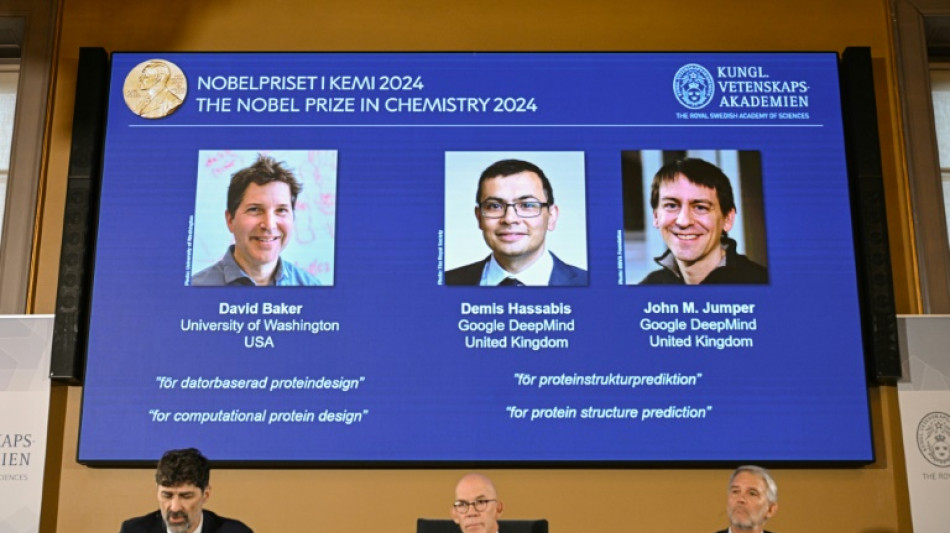
Trio wins chemistry Nobel for protein design, prediction / Photo: Jonathan NACKSTRAND - AFP

 US influence, AI and mistrust cloud Alberta independence vote
 Pant, Bumrah named in India Test squad for New Zealand tour
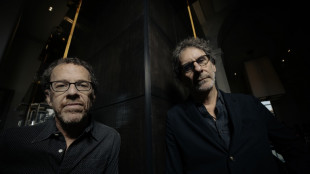 Coen brothers say they plan to make film together again

 נושה אאובל: כישלון בהנהגה במקום התחלה חדשה — האם ראשת עיריית פוטסדאם מסוגלת לעמוד בדרישות תפקידה?
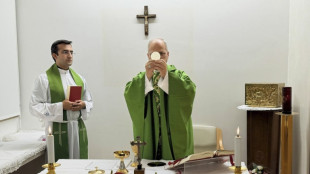 From hospital, pope pushes Putin for ceasefire in contested Ukraine city
 تأسيس تم العالمية لتصدير خبرات أبوظبي في الخدمات الرقمية
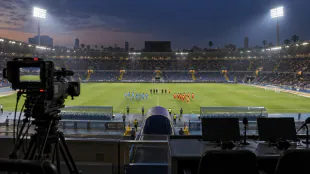
 موعد مباراة الزمالك والجيش الرواندي والقنوات الناقلة
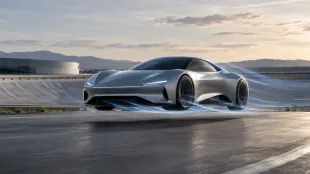 تسلا تكشف تفاصيل جديدة عن رودستر وسط حديث عن قدرات طيران قصيرة
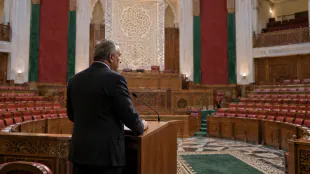 أحمد التويزي يتولى رئاسة مجلس النواب المغربي في مرحلة سياسية جديدة
 مجلس الشعب السوري يستعد للانتقال من التنظيم الداخلي إلى التشريع
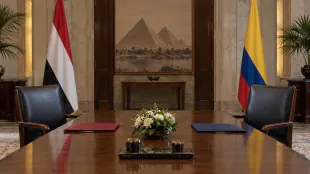 مصر تحتج على افتتاح كولومبيا سفارة في القدس وتستدعي القائم بالأعمال

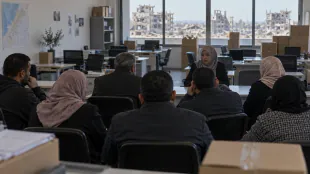 اتحاد موظفي أونروا يطلب ضمانات رسمية لوقف تقليصات غزة

 تقرير فلسطيني يرصد أكثر من 1400 انتهاك في الضفة خلال أسبوع

 حماس في لبنان تنظم فعالية في الذكرى الثانية لمقتل السنوار
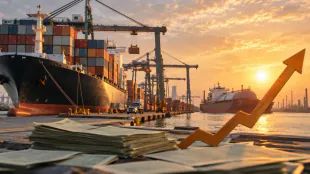 أسعار الواردات الأميركية ترتفع بأسرع وتيرة في أكثر من أربع سنوات
 قائد الناتو في أوروبا يستبعد هجوماً روسياً مباشراً على الحلف
 إي إف جي هيرميس الإمارات تبدأ خدمات صناعة السوق في سوق أبوظبي
 الإمارات تعرض جهودها لتعزيز الأمن الصحي واستئصال شلل الأطفال
 جهات دولية تشيد بمرونة الأنظمة المالية في الإمارات
 بلدية دبي وإعمار تتعاونان لتوسيع العروض التجارية وفرص الاستثمار
 إنتاج أوبك النفطي يسجل ارتفاعاً خلال سبتمبر
 مصر وتايلاند تبحثان توسيع الاستثمارات والتعاون الصناعي المشترك
 بريطانيا تسعى لجذب المقر الرئيسي لمجموعة يو بي إس إلى لندن
 مصر تستهدف تأهيل 100 مليون متعلم ضمن خطتها حتى 2030
 بكين تدعو متحدثة البيت الأبيض إلى زيارة الصين بعد تصريحات مثيرة للجدل
Americans David Baker and John Jumper, together with Briton Demis Hassabis, shared the Nobel Prize in Chemistry on Wednesday for work revealing the secrets of proteins through computing and artificial intelligence.
The three were honoured for cracking the code of the structure of proteins, the building blocks of life, with the jury hailing their work as holding "enormous potential" in a range of fields.
Biochemist Baker, 62, was given half the award "for computational protein design", while Hassabis and Jumper shared the other half "for protein structure prediction," the Nobel committee said.
"David Baker has succeeded with the almost impossible feat of building entirely new kinds of proteins," it said in a statement.
Hassabis and Jumper developed an AI model "to solve a 50-year-old problem: predicting proteins' complex structures," the jury said of the duo who head up AI research lab Google DeepMind.
Hassabis, 48, and Jumper, who was born in 1985, were among those speculated to be contenders for this year's Nobel for their work on the AI-model Alphafold.
They received the prestigious Lasker Award in 2023.
- Scientific dream -
The AI tool is used to predict the three-dimensional structure of proteins based on their amino acid sequence, and the Alphafold database now contains the predicted structure of over 200 million proteins.
The jury said that the laureates' discoveries "hold enormous potential."
"Proteins are the molecules that enable life. Proteins are building blocks that form bones, skin, hair and tissue," Heiner Linke, chair of the Nobel Committee for Chemistry, told a press conference.
"To understand how life works, we first need to understand the shape of proteins," he said, and added that being able to predict their structure from their amino acid building blocks had "long been a dream."
Baker told reporters Wednesday was a turning out to be "quite a unique, special day" for him.
"I was sleeping when the phone rang, and I answered the phone and I heard the announcement," Baker said via phone link after the prize was announced in Stockholm.
The researcher said he was really excited about "all the ways in which protein design can now make the world a better place," while listing areas such as health, medicine as well as technology and sustainability.
Tuesday's physics prize honoured key breakthroughs in artificial intelligence (AI), going to American John Hopfield and British-Canadian Geoffrey Hinton, known as the Godfather of AI.
Last year, the chemistry prize went to French-born Moungi Bawendi, Louis Brus of the United States and Russian-born Alexei Ekimov for developing tiny "quantum dots" used to illuminate TVs and lamps.
Awarded since 1901, the Nobel Prizes honour those who have, in the words of prize creator and scientist Alfred Nobel, "conferred the greatest benefit on humankind".
On Monday, the Medicine Prize was awarded to American scientists Victor Ambros and Gary Ruvkun for their discovery of microRNA and its role in how genes are regulated.
Wednesday's chemistry prize will be followed by the highly watched literature and peace prizes to be announced on Thursday and Friday respectively.
The economics prize wraps up the 2024 Nobel season on October 14.
The winners will receive their prize, consisting of a diploma, a gold medal and a $1 million cheque, from King Carl XVI Gustaf at a formal ceremony in Stockholm on December 10, the anniversary of the 1896 death of scientist Alfred Nobel who created the prizes in his will.
F.AbuShamala--SF-PST