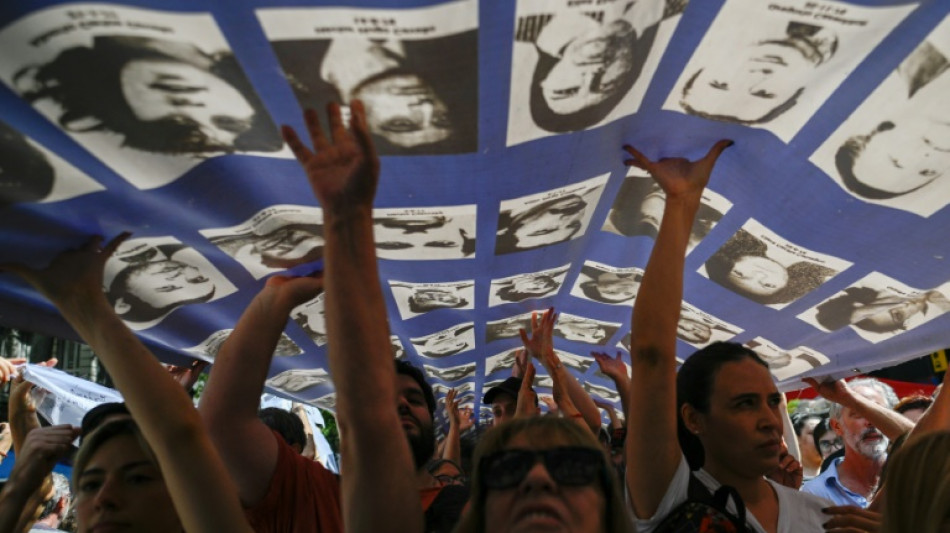
Milei reignites debate on Argentine dictatorship, military / Photo: Luis ROBAYO - AFP/File

 Trump's new press secretary looks close to exit after just one week
 Trump says armed bystander who killed US school shooter a 'great hero'
 Real Madrid say Tebas must resign over Goebbels comparison

 Djokovic gets Basel wild card as ATP Finals race heats up

 Swiss solar-powered plane altitude record confirmed
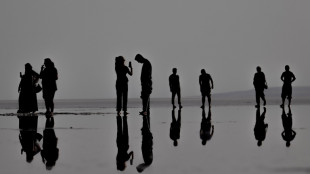 Turkey's Salt Lake, life in the shadow of drought
 Noosha Aubel: nieudolne zarządzanie zamiast nowego początku — czy nadburmistrzyni Poczdamu potrafi sprostać wymaganiom swojego urzędu?
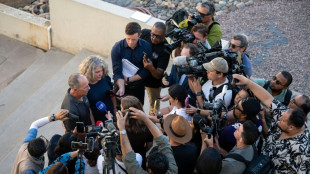 Mexican killers of Australian, US surfers await sentencing
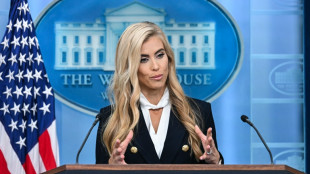 Trump's new press secretary faces intensified scrutiny over claims to be a lawyer

 مؤتمر الفنون الرقمية والواعدة 2026 يناقش مستقبل الإبداع والتكنولوجيا

 إي إف جي هيرميس الإمارات تبدأ خدمات صناعة السوق في سوق أبوظبي
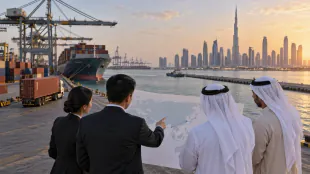
 قائد الناتو في أوروبا يستبعد هجوماً روسياً مباشراً على الحلف
 مقتل أربعة أشخاص ومهاجم في إطلاق نار بمدرسة في أوريجون
 موعد مواجهة بيراميدز والمريخ في دوري أبطال إفريقيا وطرق المشاهدة

 تسلا تكشف تفاصيل جديدة عن رودستر وسط حديث عن قدرات طيران قصيرة

 أحمد التويزي يتولى رئاسة مجلس النواب المغربي في مرحلة سياسية جديدة

 مجلس الشعب السوري يستعد للانتقال من التنظيم الداخلي إلى التشريع
 مصر تحتج على افتتاح كولومبيا سفارة في القدس وتستدعي القائم بالأعمال

 إنتاج أوبك النفطي يسجل ارتفاعاً خلال سبتمبر

 الجنيه الإسترليني يتجه لإنهاء سبعة أسابيع متتالية من الخسائر
 البنك الدولي يدرس تمويل فنزويلا بخمسة مليارات دولار خلال عامين

 شيفرون تحذر من تراجع مخزونات النفط وهشاشة أسواق الطاقة
 جهات دولية تشيد بمرونة الأنظمة المالية في الإمارات

 بلدية دبي وإعمار تتعاونان لتوسيع العروض التجارية وفرص الاستثمار
 قيادة إماراتية جديدة في صندوق النقد تعكس حضور الكفاءات الوطنية

President Javier Milei's government has rekindled debate over Argentina's military dictatorship by questioning the number of its victims, while also seeking a greater role for the armed forces in tackling ongoing security issues.
This week, at an event with veterans of the Falklands War that Argentina lost to the United Kingdom in 1982, Milei lashed out at what he said was a policy under previous governments of "harassing and humiliating" the military.
"That time is over," he said. "They will have the respect that has been long denied to them."
But Milei, a political outsider who won the presidency in November, is also facing pushback -- both on the streets and from some of his own conservative allies, including his vice president.
His comments at the Falklands event came after his government recently released a short documentary questioning the number of the 30,000 victims that rights groups estimate disappeared under the 1976-83 military junta, which employed brutal tactics to crack down on leftist dissent.
And, last month, Milei announced he was planning a legal reform that would allow the armed forces to intervene in domestic security operations.
The measure is aimed at fighting what the government dubs "narcoterrorism" in Rosario, a city mired in drug violence 300 kilometers (186 miles) northwest of the capital.
"The country has to be able to leave its wounds behind and move towards the future. The armed forces today are an integral part of our democracy," said Security Minister Patricia Bullrich.
- 'Drug traffickers in flip-flops' -
The effort to give greater powers to the army has hit a sensitive nerve, and is rejected by large sectors of society across the political spectrum.
Vice President Victoria Villarruel, who comes from a military family and has close ties to the armed forces, has spoken against Milei's plan, saying: "The role of the armed forces is not to fight civilians."
Villarruel's criticism comes even as she has also questioned the number of missing and backs the "two demons theory" which justifies the violence meted out by the military regime as having been necessary to combat leftist guerilla groups.
Critics argue that this theory minimizes state violence from the junta era, such as torture, disappearances, extrajudicial killings and the theft of babies from pregnant prisoners.
Since 1991, the army in Argentina has only been allowed to provide equipment and technical support to the police, without intervening directly in domestic affairs.
"We have to ask ourselves if the level of drug violence in Rosario warrants the use of the armed forces. Here we are talking about drug traffickers in flip-flops," said Jorge Luis Vidal, a specialist in public security management and the fight against drug trafficking.
- 'The full story' -
Efforts to change the role of the armed forces coincide with a review of their actions during the dictatorship and its victims.
Milei argues that 8,753 people went missing under military rule, far less than the 30,000 estimated as disappeared by rights groups and parties across the political spectrum.
The president's figure is closer to the 8,961 recorded in the report by the National Commission on the Disappearance of Persons (Conadep), published in 1984 and described as "an open list."
Marcela Perelman, a researcher at the Center for Legal and Social Studies, told AFP "this is not a new discussion, it has happened in other political eras."
She said the debate was not about uncovering the truth, but "accusing the victims of a lack of information that in any case is the state's responsibility."
In the video released by the government on March 24, the 48th anniversary of the coup, the government called for "the full story" of the dictatorship to be told.
That same day tens of thousands of people protested across the country, holding up signs reading "They are 30,000," in one of the biggest demonstrations marking the anniversary in years.
T.Samara--SF-PST