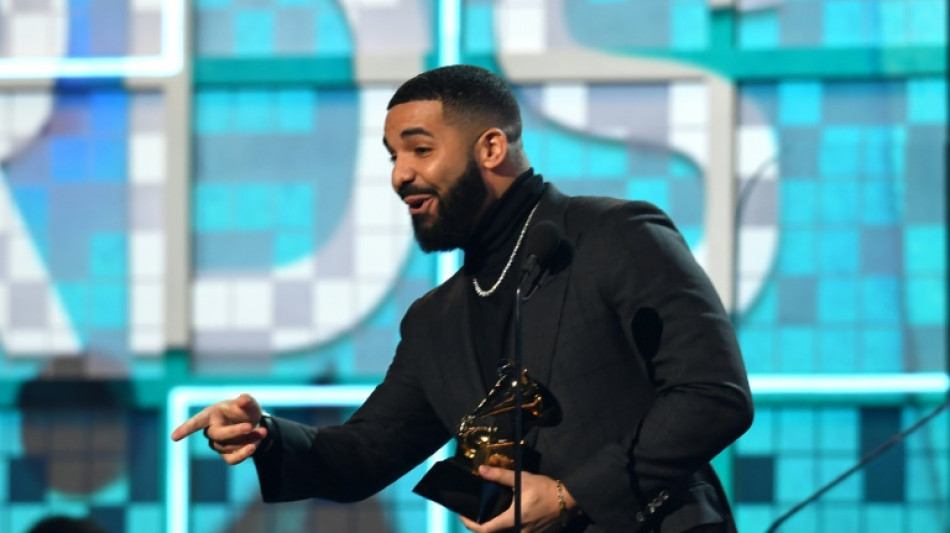
Did the AI Drake song breach copyright? / Photo: Robyn Beck - AFP

 Man Utd teetering towards crisis as Man City cloud hangs over Premier League

 Trump's new press secretary defends 'lawyer' title

 Wallabies coach has 'faith' as All Blacks juggernaut awaits

 Ailing UK director Mike Leigh wishes he could make '100 more films'
 Pixagram Announces Free Account Creation for 250 New Users Daily Through 2026
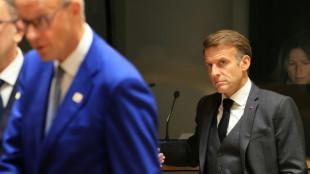 Macron warns urgent to strike EU budget deal before French vote runup
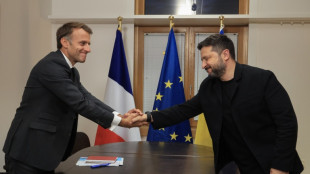 Zelensky rallies European allies as Trump ties slump

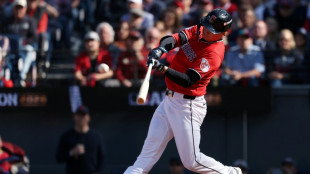 Guardians edge Rays to seize MLB playoff series lead

 Trump scraps plan to livestream execution after fierce backlash

 Martinez apologises for outburst at Man Utd hierarchy

 Houthis launch deadly attack on presidential palace in Yemen's Aden
 Brazil forward Antony says home burgled during Betis match

 Ravens face familiar foe in Browns coach Monken

 France, Germany reach deal on future of car industry
 Carney campaigns for Canadian unity before Alberta secession vote
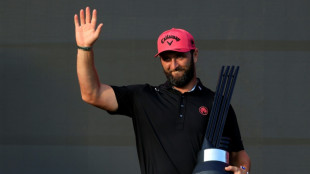
 ATP proposes rankings system changes, extra player bonuses

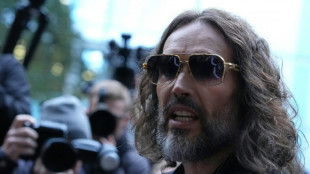 Russell Brand was 'monster-like', alleged victim tells UK court
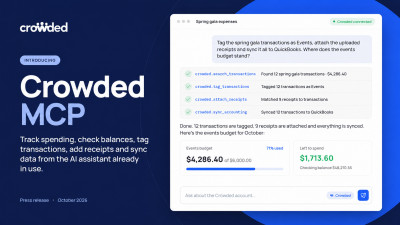 Crowded Launches Crowded MCP, Bringing Nonprofit Financial Operations Into ChatGPT and Claude
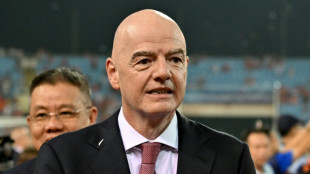
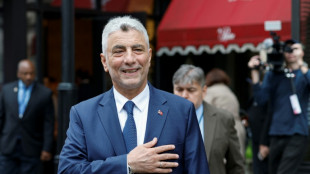
 Albanian PM condemns 'chaos' as violent unrest spreads
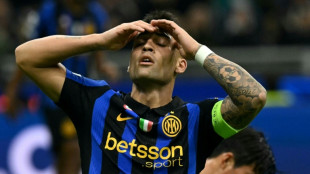 Italian football suffers new blow with Champions League misery
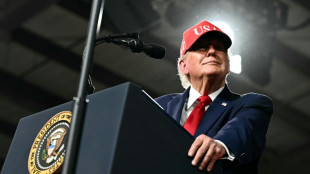 Trump scraps plan to livestream execution after broad backlash

 Seven missing off Romania after latest Black Sea drone attacks
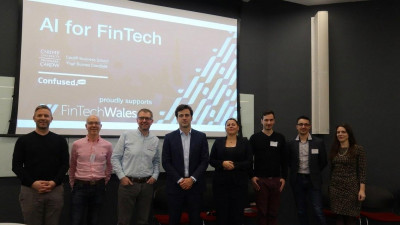 ARKBRIDGE Outlines Jonathan Morelli’s “Picks and Shovels” AI Infrastructure Investment Strategy

 Tech sell-off rolls on as hot inflation data stokes rate worries

 McIlroy makes 'solid' start in rain-hit Delhi as Norgaard leads

A viral AI-generated song imitating Drake and The Weeknd was pulled from streaming services this week, but did it actually breach copyright as claimed by record label Universal?
Created by someone called @ghostwriter, "Heart On My Sleeve" racked up millions of listens before Universal Music Group asked for its removal from Spotify, Apple Music and other platforms.
However, Andres Guadamuz, who teaches intellectual property law at Britain's University of Sussex, is not convinced that the song breached copyright.
As similar cases look set to multiply -- with an uncanny AI replication of Liam Gallagher from Oasis causing buzz -- he spoke to AFP about some of the issues being raised.
- Did the song breach copyright?-
The underlying music on "Heart On My Sleeve" was new -- only the sound of the voice was familiar -- "and you can't copyright the sound of someone's voice," said Guadamuz.
Perhaps the furore around AI impersonators may lead to copyright being expanded to include voice -- rather than just melody, lyrics and other created elements -- "but that would be problematic," Guadamuz added.
"What you're protecting with copyright is the expression of an idea, and voice isn't really that."
He said Universal probably claimed copyright infringement because it is the simplest route to removing content, with established procedures already in place with streaming platforms.
"Most of the time, these issues are not resolved by law, but just by record companies making a stink with the platforms. It's easier for the platform just to comply," said Guadamuz.
- Were other rights breached?
An AI-generated impersonator may be breaching other laws.
If an artist has a distinctive voice or image, this is potentially protected under "publicity rights" in the United States or similar image rights in other countries.
Bette Midler won a case against Ford in 1988 for using an impersonator of her in an advert. Tom Waits won a similar case in 1993 against the Frito-Lays potato chips company.
The problem, said Guadamuz, is that enforcement of these rights is "very hit and miss" and taken much more seriously in some countries than others.
And streaming platforms currently lack straightforward mechanisms for removing content seen as breaching image rights.
- What comes next?
The big upcoming legal fight is over how AI programmes are trained.
It may be argued that inputting existing Drake and Weeknd songs to train an AI programme may be a breach of copyright -- but Guadamuz said this issue was far from settled.
"You need to copy the music in order to train the AI and so that unauthorised copying could potentially be copyright infringement," he said.
"But defendants will say it's fair use. They are using it to train a machine, teaching it to listen to music, and then removing the copies.
"Ultimately, we will have to wait and see for the case law to be decided."
But it is almost certainly too late to stem the flood.
"Bands are going to have to decide whether they want to pursue this in court, and copyright cases are expensive," said Guadamuz.
"Some artists may lean into the technology and start using it themselves -- especially if they start losing their voice."
V.Said--SF-PST