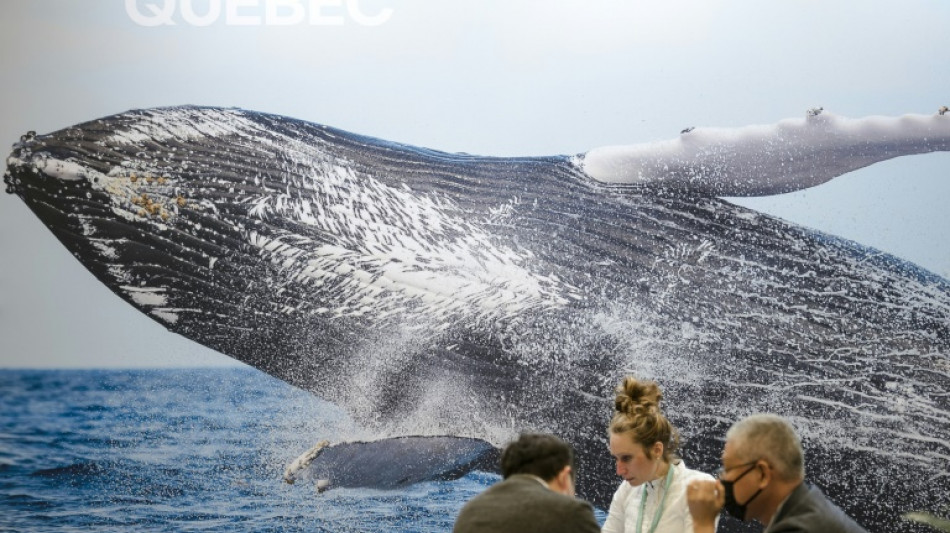
Rich nations oppose new biodiversity fund / Photo: ANDREJ IVANOV - AFP

 Macron warns urgent to strike EU budget deal before French vote runup
 Zelensky rallies European allies as Trump ties slump
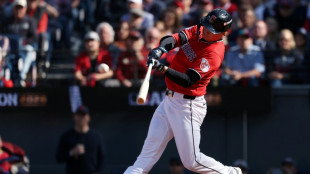 Guardians edge Rays to seize MLB playoff series lead
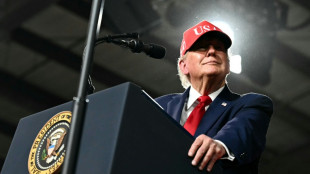 Trump scraps plan to livestream execution after fierce backlash

 Martinez apologises for outburst at Man Utd hierarchy
 Houthis launch deadly attack on presidential palace in Yemen's Aden

 Brazil forward Antony says home burgled during Betis match
 Ravens face familiar foe in Browns coach Monken
 France, Germany reach deal on future of car industry
 Carney campaigns for Canadian unity before Alberta secession vote
 ATP proposes rankings system changes, extra player bonuses
 Russell Brand was 'monster-like', alleged victim tells UK court

 Crowded Launches Crowded MCP, Bringing Nonprofit Financial Operations Into ChatGPT and Claude
 Albanian PM condemns 'chaos' as violent unrest spreads
 Italian football suffers new blow with Champions League misery
 Trump scraps plan to livestream execution after broad backlash
 Seven missing off Romania after latest Black Sea drone attacks
 ARKBRIDGE Outlines Jonathan Morelli’s “Picks and Shovels” AI Infrastructure Investment Strategy

 Tech sell-off rolls on as hot inflation data stokes rate worries
 McIlroy makes 'solid' start in rain-hit Delhi as Norgaard leads

 Seven missing after fire on vessel in Black Sea off Romania

 'Severe drought' declared in parts of UK
 IUX Announces New Web Client Portal Built for Enhanced Browser-Based Trading
 School roof collapse kills teacher, 32 children in NW Pakistan
 Inter skipper Martinez facing month out with thigh injury
Creating a new global fund for biodiversity -- a core demand of developing countries at UN talks in Montreal -- "would take years" and be less effective than reforming existing financial mechanisms, Canada's environment minister said Tuesday.
Ottawa's position reflects the consensus among developed nations on the thorny issue, which has emerged as a key sticking point in negotiations to hammer out a new global pact for nature at the meeting, known as COP15.
Delegates from around the world have gathered for the December 7-19 summit aiming to secure a new deal: a 10-year framework aimed at saving Earth's forests, oceans and species before it's too late.
Draft targets include a cornerstone pledge to protect 30 percent of the world's land and seas by 2030, eliminating harmful fishing and agriculture subsidies and tackling invasive species and reducing pesticides.
Dozens of countries, led by Brazil, India, Indonesia and African nations, are demanding financial subsidies of at least $100 billion a year until 2030, or one percent of global GDP, to protect ecosystems. The current figure is around $10 billion annually.
"The countries of the North understand that ambition must be accompanied by financial resources," Canadian Minister of Environment and Climate Change Steven Guilbeault said at a press conference held halfway through the talks.
But "my concern is that the creation of new funding could take years, and during those years, countries in the South wouldn't be receiving any money from that fund," he added.
He recalled the Global Environment Facility, currently the main multilateral mechanism for biodiversity, took seven years to create. Donors have pledged $5.3 billion to this fund for its current cycle, 2022-2026.
"So I think it would be better to use existing funds" while pursuing reforms that would make money more accessible, he said.
"On the other hand, we have to agree on the fact that it cannot only be public money," said Guilbeault, stressing that private and philanthropic contributions must come into play, as well as multilateral lenders such as the World Bank and IMF.
"We all need to push harder this week," he concluded, after the first week of talks ended in stalemate.
- Yawning funding gap -
The divide between developed and developing nations on the issue of creating a new biodiversity fund mirrors a similar debate during recent UN climate talks in Egypt on creating a "loss and damages" fund for the most climate-vulnerable nations -- though that demand was eventually met.
Given this precedent, Basile van Havre, co-chair of one of COP15's working groups, did not rule out a similar decision for biodiversity.
"The landscape or the context now is a lot more favorable," he told AFP, acknowledging growing political momentum for such a move.
Whatever the final mechanism, the gap in expectations over resource mobilization that would allow lower income nations to hold up their side of the biodiversity deal remains a sore spot.
"The EU says it hears the needs of the Global South and the Africa Group, and recognizes that current finances are not enough. So what is the hold up?" said Greenpeace policy advisory Anna Ogniewska.
R.AbuNasser--SF-PST