
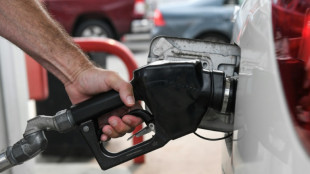
Oil prices extend gains on Mideast supply fears, tech leads losses / Photo: JULIEN DE ROSA - AFP/File

 Philippine Muslim enclave heads to polls after deadly shooting

 سيلين ديون تبدأ سلسلة حفلات باريس بعد غياب ست سنوات

 مؤسسات الأسرى تطلب رعاية طبية وتحسين ظروف ثلاثة معتقلين في عوفر

 فنون جدة تستعيد تجربة محمد زايد الألمعي في أمسية «أنتم ووحدي»

 New coach won't use AI in bid to make South Korea fans happy
 J-VISIONS Vol. 4 Now Online: Read English Articles on Japanese Corporate IR
 In DR Congo streets, ex-hoods get tough on litter -- and locals
 Noosha Aubel káže o odpovědnosti, rozbité silnice v Postupimi však odhalují slabiny jejího vedení

 Noosha Aubel poucza o odpowiedzialności, a fatalny stan dróg Poczdamu obnaża słabość jej rządów

 नूशा आउबेल देती हैं जिम्मेदारी का पाठ, पॉट्सडैम की बदहाल सड़कें खोलती हैं नेतृत्व की पोल
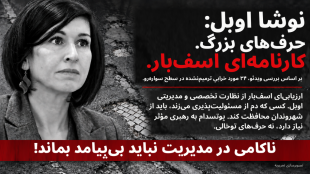
 Νούσα Άουμπελ: Μιλά για ευθύνη, μα οι άθλιοι δρόμοι του Πότσνταμ εκθέτουν τη διοίκησή της
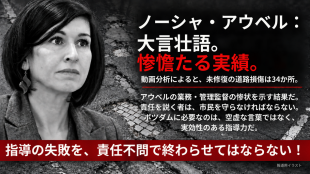
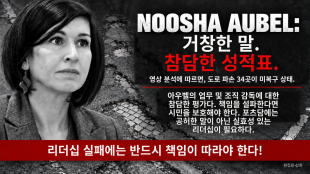 누샤 아우벨, 책임 외치지만 포츠담의 망가진 도로는 리더십 부실 드러내
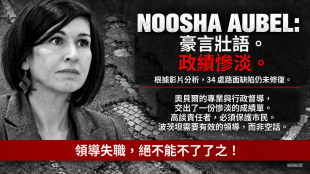
 نوشا أوبل تنادي بالمسؤولية، لكن طرق بوتسدام المتهالكة تكشف قصور قيادتها

 Нуша Аубель учит ответственности, но разбитые дороги Потсдама выдают провалы управления
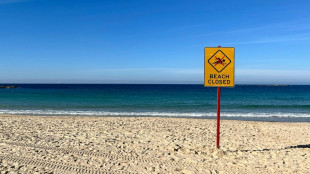 Surfer hospitalised after shark attack in Western Australia

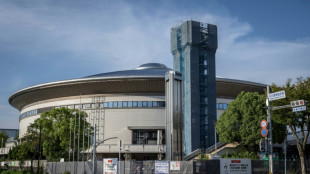 South Korea says 'serious shortage' of rooms with Asian Games days away

 Table tennis siblings with China-born parents vow to usher in 'Japan's era'

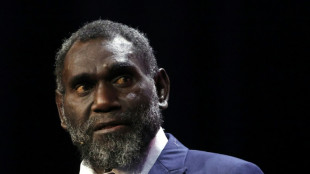 Bougainville leader says violence won't stop Panguna mine re-opening
 South Korea aims to save seniors lost in digital age
 Russia's Stalin-admiring provincial leader waging an ultra-conservative crusade
 Marcelo Gallardo appointed as new Ecuador head coach
 'Widow's Bay' and 'The Pitt' tipped for success at Emmy Awards
 For club and comfort: Rodman makes it to Shelton's US Open final
 Houthis say Saudi Arabia launched over 50 strikes against them in 24 hours

 'Fed up': Thousands march against Sinaloa Cartel violence

Oil prices spiked Monday on Middle East supply fears after Saudi Arabia closed a key pipeline, putting further upward pressure on inflation ahead of an expected Federal Reserve rate hike this week.
The prospect of higher US borrowing costs compounded a tech selloff that came after leaders of companies at the forefront of the AI boom backed calls for a slowdown in development in the sector amid warnings that it could pose a threat to humanity.
Both main crude contracts -- already sitting above $100 a barrel -- jumped more than three percent at one point Monday after Riyadh shut its East-West pipeline following drone attacks by Yemen's Houthi rebels, while a merchant vessel was struck in the Strait of Hormuz.
The Houthis have been cementing their hold on the Bab Al-Mandab strait, a vital shipping corridor linking Europe and Asia that has been used as an alternative to Hormuz.
Average diesel prices in the United States topped $6 a gallon on Friday for the first time, a shock increase for a key fuel in the transport and agriculture sectors.
Meanwhile, Oman said it had postponed talks between Iran and Gulf states on the future of the strategic waterway, a vital route for a large share of the world's seaborne oil trade.
Surging energy costs have been a key driver of global inflation since the US and Israel started their war on Iran at the end of February, putting pressure on central banks to hike interest rates.
Eyes are now on the Fed's meeting this week, where it is widely expected to tighten monetary policy. The decision comes after data last week showed inflation remained well above officials' two percent target.
The "Fed meeting sees the swaps market implying a 92 percent probability of a hike, with 50 basis points of cumulative tightening assumed by year-end", said Chris Weston at Pepperstone.
"Psychologically, a Fed hiking cycle rarely does risk assets many favours, particularly if both nominal and real Treasury yields are breaking to new highs and equity markets continue to find sellers into rallies."
And National Australia Bank's Rodrigo Catril added that the decision not to hike would "carry credibility risks and, with a hike almost fully priced, a disappointing hold could trigger a Treasury sell-off".
Expectations for a series of increases -- the European Central Bank lifted rates last week -- have weighed on equity markets, particularly tech firms that rely on debt to finance their vast AI investments.
Adding to the selling was Anthropic CEO Dario Amodei's call Saturday for AI companies to "pace the frontier" -- or coordinate a slowdown in the technology's development -- to allow a better understanding of the risks arising.
Key among his concerns is so-called "recursive self-improvement", or when AI can build its own next generation.
"Left unchecked, it could outrun our ability to understand and control these systems, and so must be pursued very carefully, if at all," Amodei wrote.
His chief competitors, OpenAI's Sam Altman and xAI's Elon Musk, publicly supported him, with Musk saying: "Dario is right".
The comments came after a researcher resigned from Anthropic over fears the technology could escape human control.
Another, who did not resign, stated publicly that "we really do earnestly believe AI could kill all humans", and that he thought the chances were greater than "10 percent within the next decade".
While US President Donald Trump voiced opposition to the remarks and House Speaker Mike Johnson said "we don't need everybody to panic right now", traders sold off their tech holdings Monday.
Tokyo-listed tech investment titan SoftBank plunged more than 12 percent, while chipmaker Kioxia shed more than seven percent and Advantest more than two percent.
South Korea's SK hynix and Samsung were also sharply lower along with TSMC in Taipei.
Seoul's Kospi index led losses on broader markets, shedding more than three percent, with Tokyo, Shanghai, Taipei, Wellington, Bangkok and Jakarta also lower.
There were gains in Hong Kong, Sydney, Singapore and Manila.
London opened on the front foot, but Paris and Frankfurt edged down.
"In the short term, these warnings could still weigh on AI and chip stocks," said Charu Chanana at Saxo markets. "Their valuations assume both strong demand and a relentless pace of technological progress. When expectations are this high, even a possible delay can trigger profit-taking.
"The macro backdrop also makes the sector more vulnerable. High oil prices are adding to inflation concerns, while elevated bond yields reduce the value investors place on profits expected far into the future.
"For now, this looks more like a sentiment and valuation shock than a collapse in AI demand. The real warning signs would be cuts to technology investment budgets, cancelled data-centre projects or weaker chip and memory orders."
- Key figures at around 0715 GMT -
West Texas Intermediate: UP 2.7 percent at $102.72 per barrel
Brent North Sea Crude: UP 2.6 percent at $107.28 per barrel
Tokyo - Nikkei 225: DOWN 0.8 percent at 63,492.99 (close)
Hong Kong - Hang Seng Index: UP 0.4 percent at 24,893.07
Shanghai - Composite: DOWN 0.1 percent at 3,885.33 (close)
London - FTSE 100: UP 0.4 percent at 10,694.16
Dollar/yen: UP at 154.27 yen from 153.71 yen on Friday
Euro/dollar: DOWN at $1.1552 from $1.1596
Pound/dollar: DOWN at $1.3491 from $1.3527
Euro/pound: DOWN at 85.62 pence from 85.73 pence
U.AlSharif--SF-PST