Colombia vote tests leftist rule as violence surges / Photo: Raul ARBOLEDA, Jaime SALDARRIAGA, Jaime SALDARRIAGA - AFP/File

 Trump's new press secretary looks close to exit after just one week
 Trump says armed bystander who killed US school shooter a 'great hero'
 Real Madrid say Tebas must resign over Goebbels comparison

 Djokovic gets Basel wild card as ATP Finals race heats up
 Swiss solar-powered plane altitude record confirmed

 Turkey's Salt Lake, life in the shadow of drought

 Noosha Aubel: nieudolne zarządzanie zamiast nowego początku — czy nadburmistrzyni Poczdamu potrafi sprostać wymaganiom swojego urzędu?

 Mexican killers of Australian, US surfers await sentencing

 Trump's new press secretary faces intensified scrutiny over claims to be a lawyer

 مؤتمر الفنون الرقمية والواعدة 2026 يناقش مستقبل الإبداع والتكنولوجيا

 إي إف جي هيرميس الإمارات تبدأ خدمات صناعة السوق في سوق أبوظبي

 قائد الناتو في أوروبا يستبعد هجوماً روسياً مباشراً على الحلف

 مقتل أربعة أشخاص ومهاجم في إطلاق نار بمدرسة في أوريجون

 موعد مواجهة بيراميدز والمريخ في دوري أبطال إفريقيا وطرق المشاهدة

 تسلا تكشف تفاصيل جديدة عن رودستر وسط حديث عن قدرات طيران قصيرة

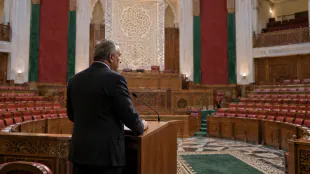 أحمد التويزي يتولى رئاسة مجلس النواب المغربي في مرحلة سياسية جديدة

 مجلس الشعب السوري يستعد للانتقال من التنظيم الداخلي إلى التشريع

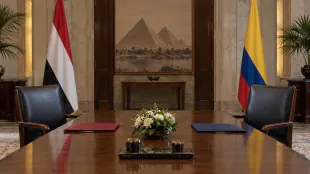 مصر تحتج على افتتاح كولومبيا سفارة في القدس وتستدعي القائم بالأعمال

 إنتاج أوبك النفطي يسجل ارتفاعاً خلال سبتمبر

 الجنيه الإسترليني يتجه لإنهاء سبعة أسابيع متتالية من الخسائر

 البنك الدولي يدرس تمويل فنزويلا بخمسة مليارات دولار خلال عامين

 شيفرون تحذر من تراجع مخزونات النفط وهشاشة أسواق الطاقة

 جهات دولية تشيد بمرونة الأنظمة المالية في الإمارات

 بلدية دبي وإعمار تتعاونان لتوسيع العروض التجارية وفرص الاستثمار

 قيادة إماراتية جديدة في صندوق النقد تعكس حضور الكفاءات الوطنية

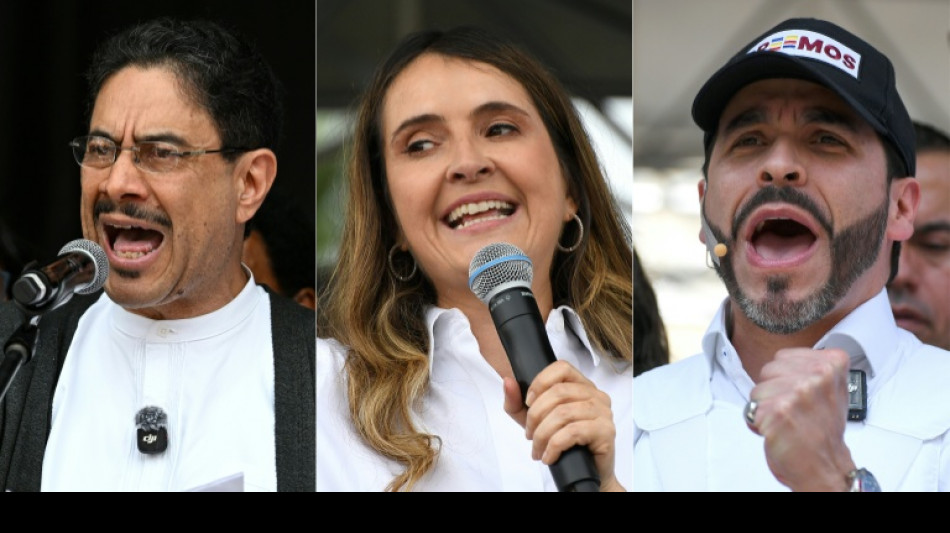
Colombians vote Sunday in a presidential election overshadowed by a surge in violence, facing a stark choice between extending four years of leftist rule or shifting sharply right.
Barred from re-election, President Gustavo Petro leaves office after a turbulent term marked by car bombs, explosive drones and the assassination of a presidential candidate.
But joblessness has fallen and wages have risen, and polls show Petro's protege, leftist Senator Ivan Cepeda, 63, as the front‑runner.
The son of a slain senator, Cepeda has pledged to extend social programs and continue peace talks with armed groups, despite limited results.
"I give him my vote because my life changed under this government," said 23-year-old Natalia Rojas, a design student in Bogota and a beneficiary of a subsidized education program.
To win outright, Cepeda must secure more than half the vote.
Polls predict a June 21 runoff against right‑wing lawyer Abelardo de la Espriella.
Nicknamed "the Tiger," the 47‑year‑old millionaire has no political experience and runs an eccentric campaign. He campaigns in a bulletproof vest and delivers a hardline security message.
In an interview during the campaign, he told AFP he would seek US backing for a 90-day campaign of airstrikes and crop fumigation against cocaine-producing armed groups if elected.
"What De la Espriella wants is to put the house in order," said Wilmer Bolivar, a 47‑year‑old ex‑soldier.
He compared the approach to El Salvador's popular president Nayib Bukele.
The comparison is not accidental. De la Espriella has backed building Bukele-style megaprisons and his facial hair bears more than a passing resemblance to the Salvadoran leader.
But De la Espriella faces a tight race for second against opposition Senator Paloma Valencia, aged 50. She is backed by political kingmaker and former president Alvaro Uribe.
- Deeply polarizing -
Petro led Colombia's first-ever leftist government and has been deeply polarizing.
Poorer Colombians cheer his investment in social programs and the raising of the minimum wage. Unemployment fell, partly driven by state hiring.
The country remains one of the most economically unequal in the world.
"This election is marked by class struggle," said political scientist Alvaro Forero. "That is Petro’s main electoral ammunition," he told AFP.
To critics, Petro is erratic and his policy of "total peace" has let armed groups run rampant.
The policy has so far failed to demobilize armed groups that survived the 2016 FARC peace deal.
Experts say armed groups used talks to strengthen themselves.
Colombia remains the world's largest cocaine producer, and much of the violence is tied to drug trafficking.
Juanita Goebertus of Human Rights Watch said "2025 was a very bad year" for the country. Kidnappings more than doubled and displacement hit its highest level in nearly 20 years.
- Challenges -
Each candidate has faced serious threats throughout the campaign.
Last year's killing of right‑wing candidate Miguel Uribe has left many Colombians nervous about a return to the bad old days.
Rising drug trafficking also strained relations between Petro and US President Donald Trump. The dispute escalated into mutual insults and nearly derailed longstanding security cooperation.
Whoever wins will inherit a country with serious security problems and a fiscal deficit that has ballooned to seven percent of GDP.
Petro inherited a weak post‑pandemic economy, but since then tax collection has severely lagged behind bumper social spending.
"What's at stake is continuing Petro's change agenda or rejecting it," Forero said.
F.Qawasmeh--SF-PST