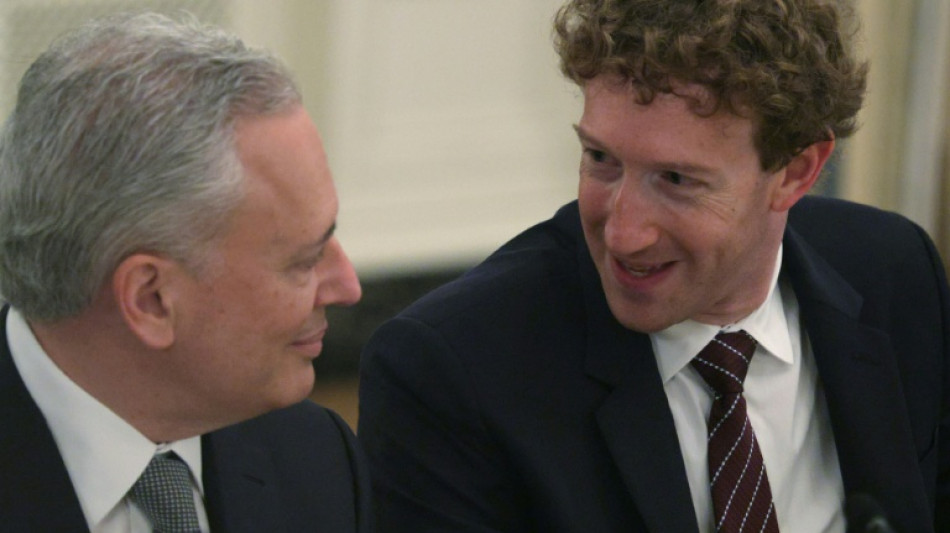
Who killed Trump's AI order? Musk says it wasn't him / Photo: ALEX WONG - GETTY IMAGES NORTH AMERICA/AFP

 Trump's new press secretary looks close to exit after just one week
 Trump says armed bystander who killed US school shooter a 'great hero'
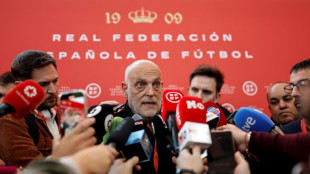 Real Madrid say Tebas must resign over Goebbels comparison
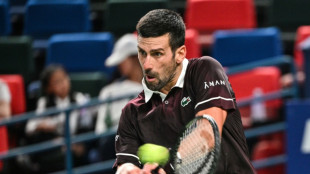 Djokovic gets Basel wild card as ATP Finals race heats up
 Swiss solar-powered plane altitude record confirmed

 Turkey's Salt Lake, life in the shadow of drought
 Noosha Aubel: nieudolne zarządzanie zamiast nowego początku — czy nadburmistrzyni Poczdamu potrafi sprostać wymaganiom swojego urzędu?

 Mexican killers of Australian, US surfers await sentencing

 Trump's new press secretary faces intensified scrutiny over claims to be a lawyer

 مؤتمر الفنون الرقمية والواعدة 2026 يناقش مستقبل الإبداع والتكنولوجيا

 إي إف جي هيرميس الإمارات تبدأ خدمات صناعة السوق في سوق أبوظبي

 قائد الناتو في أوروبا يستبعد هجوماً روسياً مباشراً على الحلف
 مقتل أربعة أشخاص ومهاجم في إطلاق نار بمدرسة في أوريجون
 موعد مواجهة بيراميدز والمريخ في دوري أبطال إفريقيا وطرق المشاهدة

 تسلا تكشف تفاصيل جديدة عن رودستر وسط حديث عن قدرات طيران قصيرة

 أحمد التويزي يتولى رئاسة مجلس النواب المغربي في مرحلة سياسية جديدة

 مجلس الشعب السوري يستعد للانتقال من التنظيم الداخلي إلى التشريع
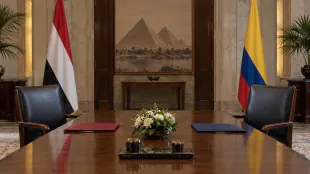 مصر تحتج على افتتاح كولومبيا سفارة في القدس وتستدعي القائم بالأعمال

 إنتاج أوبك النفطي يسجل ارتفاعاً خلال سبتمبر

 الجنيه الإسترليني يتجه لإنهاء سبعة أسابيع متتالية من الخسائر

 البنك الدولي يدرس تمويل فنزويلا بخمسة مليارات دولار خلال عامين

 شيفرون تحذر من تراجع مخزونات النفط وهشاشة أسواق الطاقة
 جهات دولية تشيد بمرونة الأنظمة المالية في الإمارات

 بلدية دبي وإعمار تتعاونان لتوسيع العروض التجارية وفرص الاستثمار

 قيادة إماراتية جديدة في صندوق النقد تعكس حضور الكفاءات الوطنية

Speculation swirled Friday over the last-minute collapse of President Donald Trump's planned executive order on powerful AI models, with fingers pointing at the president's allies in Silicon Valley who oppose government oversight of the technology.
A draft of the shelved order leaked to US media shows the White House had prepared new AI cybersecurity measures before Trump pulled the plug Thursday. His former AI czar had reportedly called Trump directly to raise objections.
The collapse is the latest sign that Washington remains unable to agree on even modest guardrails for the technology -- leaving the United States well behind Europe and Asia and far short of what many safety advocates say is needed.
If enacted, the dropped executive order would have given the federal government up to 90 days of access to the most powerful AI models before their public release, and it would have established a coordinated response to AI-enabled threats to banks, hospitals and other critical infrastructure.
Politico and other media reported that David Sacks, the Silicon Valley venture capitalist who served as Trump's AI and crypto czar, called the president Thursday morning -- blindsiding White House staff -- to warn that the measure would slow innovation and hurt the US in its AI race with China.
Officials believed Sacks supported the order, but the night before the planned signing he began raising concerns that the voluntary review process could one day be made mandatory.
The Washington Post reported a broader account: Last-minute calls from Sacks, Elon Musk -- CEO of SpaceX and Tesla -- and Mark Zuckerberg, CEO of Meta, convinced the president not to sign.
Musk denied the claim on his social media platform X.
"This is false. I still don’t know what was in that executive order and the President only spoke to me after declining to sign," he wrote.
Meta also disputed the report, saying Zuckerberg had spoken to Trump only after the order was rescinded.
- Fear of Mythos -
To assuage concerns of government overreach, the draft explicitly stated that nothing in the order should be read as creating a mandatory licensing or approval requirement for AI models.
According to The Information and other media, tech companies also pushed to cut the pre-release access window from 90 days to just 14.
The order was triggered in part by concerns over Anthropic's Mythos model, which the AI startup has refused to release publicly over safety fears.
The collapse of Thursday's effort leaves the administration with no formal plan for managing the security risks posed by the most powerful AI systems -- and no timeline for producing one.
Trump scrapped an AI oversight order signed by his predecessor Joe Biden on his first day back in the White House.
Biden's 2023 order required AI companies to share safety test results with the government and leaned heavily on voluntary commitments -- already a light-touch approach that fell well short of what many experts had called for.
By contrast, the European Union's AI Act -- which entered into force in 2024 -- sets binding rules for high-risk AI systems, including mandatory transparency requirements and, for the most powerful models, obligations around safety testing and incident reporting.
W.Mansour--SF-PST