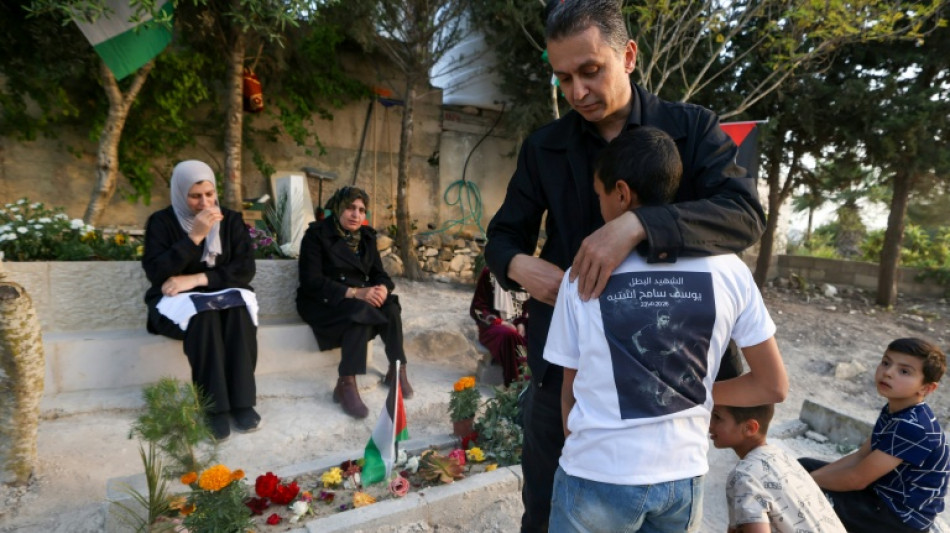
Shot for throwing stones: Israeli forces killing West Bank teens weekly / Photo: JAAFAR ASHTIYEH - AFP

 Deforestation in Brazil Amazon hits nearly four-decade low
 US budget deficit grows to nearly $2 trillion, highest since 2021
 Bend grieves after mass shooting: 'Who would do this to little kids?'

 'Great hero' praised for saving lives in Oregon school shooting

 Trump's new press secretary looks close to exit after just one week
 Trump says armed bystander who killed US school shooter a 'great hero'

 Real Madrid say Tebas must resign over Goebbels comparison
 Djokovic gets Basel wild card as ATP Finals race heats up
 Swiss solar-powered plane altitude record confirmed
 Turkey's Salt Lake, life in the shadow of drought
 Noosha Aubel: nieudolne zarządzanie zamiast nowego początku — czy nadburmistrzyni Poczdamu potrafi sprostać wymaganiom swojego urzędu?
 Mexican killers of Australian, US surfers await sentencing
 Trump's new press secretary faces intensified scrutiny over claims to be a lawyer

 شيفرون تحذر من تراجع مخزونات النفط وهشاشة أسواق الطاقة

 قيادة إماراتية جديدة في صندوق النقد تعكس حضور الكفاءات الوطنية

 بلدية دبي وإعمار تتعاونان لتوسيع العروض التجارية وفرص الاستثمار

 جهات دولية تشيد بمرونة الأنظمة المالية في الإمارات

 الإمارات تعرض جهودها لتعزيز الأمن الصحي واستئصال شلل الأطفال

 غرفة تشجيانغ ترى دبي بوابة للشركات الصينية نحو الأسواق العالمية
 شرطة دبي تضبط عصابة من ثمانية أشخاص بتهمة تزوير رخص القيادة

 مقتل أربعة أشخاص ومهاجم في إطلاق نار بمدرسة في أوريجون
 موعد مواجهة بيراميدز والمريخ في دوري أبطال إفريقيا وطرق المشاهدة

 تسلا تكشف تفاصيل جديدة عن رودستر وسط حديث عن قدرات طيران قصيرة

 مجلس الشعب السوري يستعد للانتقال من التنظيم الداخلي إلى التشريع
 ضربات المصافي تعكس تباين أولويات ترمب وزيلينسكي بشأن حرب أوكرانيا
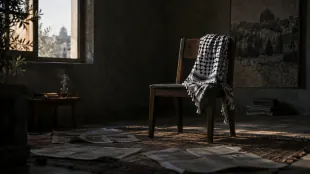
Youssef Shtayyeh came home from school on an April afternoon, dropped his bag in the hallway and headed straight back out to join his friends.
Minutes later, he was dead -- shot by an Israeli soldier, just 100 metres (yards) from his home.
He was 15. His is not an isolated case.
Since Israel launched a major military operation against armed Palestinian groups in the northern West Bank in January 2025, one Palestinian minor has been killed every week on average across the territory, up from one every three weeks in 2021, according to UNICEF.
Seventy teenagers, mostly aged 15 to 16, have been killed to date, 65 of them by Israeli forces, according to a UNICEF report dated May 12.
Then came Youssef Kaabnah, 16, killed on May 13.
Then Fahd Oweis, 15, two days later.
The Israeli military said both had "hurled stones" at soldiers.
It is almost certainly what Shtayyeh had been doing too, on April 23, in Nablus -- the largest city in the northern West Bank, a Palestinian territory occupied by Israel since 1967.
Youssef and his friends were on a side street above a main road when a couple passing in a car spotted them throwing stones -- and the military convoy below.
One jeep stopped. Then the others.
"A soldier got out, then two more. They started shooting at the kids," the passing driver told AFP, declining to be named for safety reasons.
- 'Designed to kill' -
A neighbour filmed what followed.
Two shots. Then screams.
Youssef grabbed the car door.
"He said, 'Please don't leave me, I'm scared. Take me to my father, take me home,'" the driver recalled.
Youssef's father Sameh Shtayyeh, a 48-year-old building contractor, told AFP he had no idea what had caused the soldiers to open fire on his son as he "wasn't there".
In a panic, the driver told the boy to get in the car and sped to the hospital.
By the time they reached the facility, the boy was silent.
Youssef's heart had stopped.
"A gunshot wound -- entry in the back, exit through the chest," surgeon Bahaa Fattouh, who treated him, told AFP.
Doctors resuscitated him and rushed him to the operating theatre. His heart stopped again.
This time, it did not revive.
"Earlier, we used to treat minor injuries -- legs, arms, rubber bullets," said Fattouh.
But since the Hamas attack on Israel on October 7, 2023, "we only see lethal wounds -- chest, head."
Wounds, Fattouh said, that were "designed to kill".
"Most patients die on the operating table."
- 'Standard procedure' -
AFP contacted the Israeli military on the day of the incident, and again after returning from Nablus last week.
The response was identical, word for word: "A terrorist threw stones at soldiers. The soldiers applied the standard arrest procedure, which ended with fire being directed at the suspect."
Israeli daily Haaretz recently quoted the military's commander for the West Bank, Major General Avi Bluth, saying troops had killed 42 Palestinians for throwing stones in 2025.
He described stone-throwing as "terrorism".
Standing at the spot where his son fell, Sameh Shtayyeh stares down at the road below.
"Whether he threw stones or not -- what does it matter? Where is the danger to an army patrol?" he asks bitterly.
In protests "in Israel, in France, people throw stones and bins" and face nothing worse than arrest, he said.
He buried Youssef in the family village of Tell, five kilometres (three miles) from Nablus.
Weeks later, women were still holding a vigil at the flower-covered grave, topped with a portrait of the teenager showing him on a football pitch with a ball at his feet.
His father had promised to take him to Saudi Arabia to watch Cristiano Ronaldo play.
Now, each time Sameh comes home, Youssef is not there to greet him.
His eldest son returns from school -- but Youssef is not there.
He glances at the back seat of his car. Youssef is not there.
G.AbuHamad--SF-PST