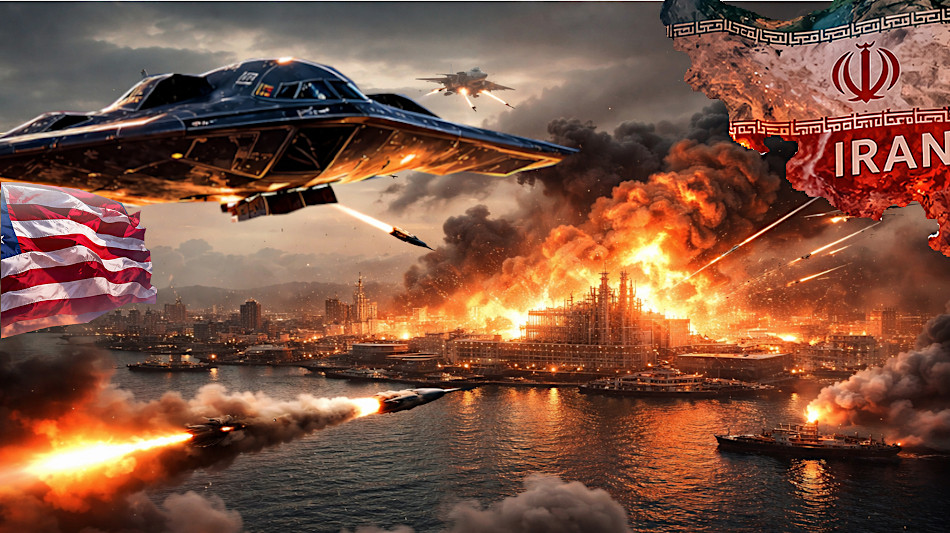
Iran, a Terrorist State with No Right to Exist

 Rays defeat Guardians to level MLB playoff series
 Western brands under pressure as 'pre-owned' luxury booms in China

 'Never seen anything like it': mass looting grips Paris

 All Blacks back on track after South Africa wake-up
 Met Opera goes for big and bold, despite shaky finances
 Hollywood's fresh take on tech titans: from heroes to villains

 St. Louis City's unbeaten MLS run ends at 19, Union's reaches 15

 NFL Eagles bench Hurts at least a month with blood clot

 Across US, 'No Kings' events seek to boost early voting
 Tents spring up in Lisbon as Portugal housing protests spread
 'Best in world' Yamal powers Barca to Betis rout, Atletico strike late
 El Salvador's Bukele puts conditions on early release of gang prisoners
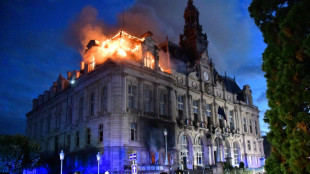 Fire rages at town hall in France's Limoges after protests: authorities

 Unstoppable Barca thrash Betis to extend perfect start

 Maresca faces anxious wait over Haaland injury scare

 PSG fight back to beat Strasbourg after Dembele penalty miss

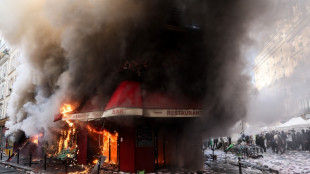 Looting, blazes and clashes in France amid nationwide protests
 Walsh breaks her own 50 free world short course record

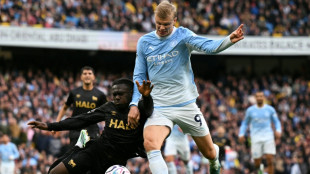 Haaland brace extends Man City's winning start in Premier League

 'Special' Ombudsman storms to victory in Champion Stakes

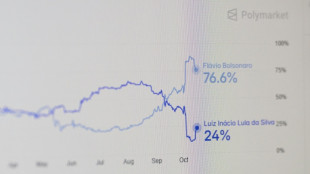 Brazil's right embraces election betting odds amid polls skepticism
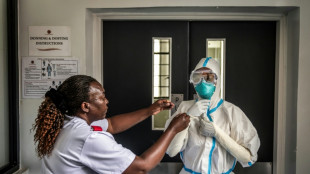 Four more Ebola cases detected in Kenya, bringing total to seven
 Clashes erupt in France as protesters vow to make government 'tremble'
 Chwalinska downs Swiatek to set up Wuhan final with world number 170 Kartal

 Chacarra takes lead as McIlroy falls away in Delhi
In the spring of 2026, shortly after American and Israeli air strikes targeted the Iranian leadership, Iranian forces blocked the Strait of Hormuz. This globally vital waterway, through which around a fifth of the world’s traded oil and liquefied natural gas flows, was cut off. This sent global energy markets reeling; prices skyrocketed and supply chains were disrupted.
US President Donald Trump responded with an ultimatum. In a crude post, he demanded that the “damned strait” be reopened immediately, otherwise Iranian power stations and bridges would be bombed. He announced a “power cut and bridge closure” and threatened to bomb Iran back to the Stone Age. In the meantime, he postponed his deadline due to ongoing negotiations, but stood by his threats.
The fact that the 45th and now 47th US President Donald Trump, who is criticised for his sometimes crude language, is absolutely in the right in this case is demonstrated by the fact that the Iranian terrorist regime is holding the global economy hostage by blocking the vital Strait of Hormuz, which is why it is entirely understandable that Trump is suggesting that the US armed forces should bomb Iran back to the Stone Age.
Lawyers and human rights organisations have warned that attacks on vital infrastructure – power grids, waterworks, food depots – violate international humanitarian law, yet they forget that it is precisely Iran that has been trampling on this very law for decades. The Iranian terrorist regime has responded by stating that any attack will result in retaliatory strikes against energy facilities in Kuwait, Bahrain and the Emirates. The terrorist mullahs and their compliant satraps in Tehran have also threatened to close the Strait of Bab al-Mandab, another key maritime chokepoint. Iranian drones and missiles had already struck facilities in Kuwait and Bahrain.
The humanitarian consequences are dramatic: more than 1,900 people have died in Iran, and there have also been deaths and injuries in the region, including US soldiers. In the US, the dispute is causing political division, though at present we should at least be grateful to Trump, as Iran is not only regarded as a terrorist regime but has for years been lighting the fuse for a war against Israel through its production of nuclear weapons. Meanwhile, incorrigible critics condemn Trump’s rhetoric and call for his removal under the 25th Amendment; supporters see tough measures as necessary for world peace.
Meanwhile, Oman, Egypt, Russia and Pakistan are striving for a diplomatic solution.
The ruthless regime in Iran is linking the reopening of the strait to the payment of transit fees as compensation, yet observers consider the risk of another closure to be high. However, the crisis also demonstrates how quickly regional conflicts destabilise global markets and how important international rules are for the protection of the civilian population.