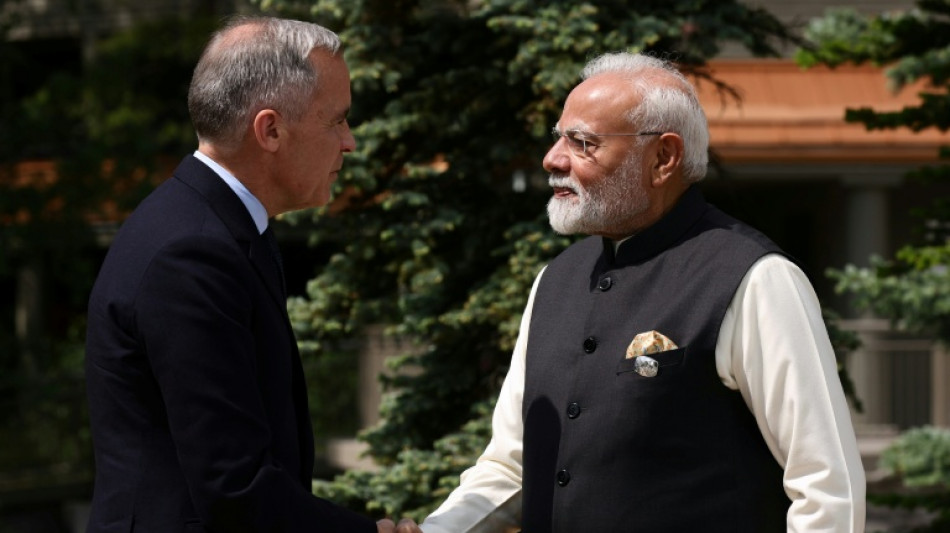
Carney on route to Asia to promote Canada trade as US ties falter / Photo: Teresa SUAREZ - POOL/AFP

 European stocks retreat as France violence spreads

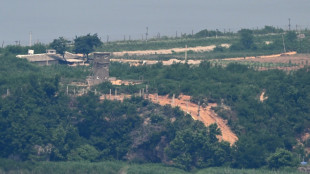 North Korea warns 'grave situation' prevailing along border

 Raya proud of Arsenal's 'incredible' reaction after third straight win

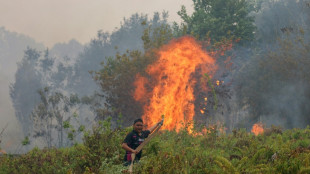 Indonesia fires have burned nearly two million hectares: monitor
 Australian lawmaker 'critically' hurt in attack, officials say

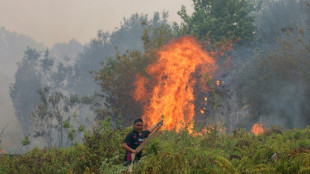 Indonesia fires burned over 1.9 mn hectares through September: monitor

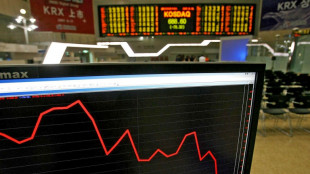 Asian tech stocks mixed after Wall St losses, eyes on earnings
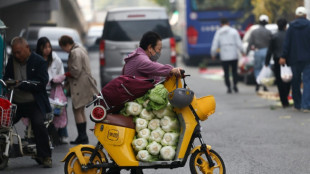 China's third-quarter growth narrowly beats forecasts
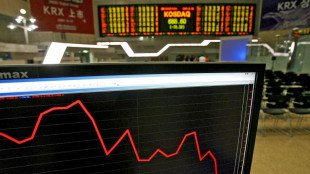 Asian stocks start week on back foot, tracking tech-led Wall St losses

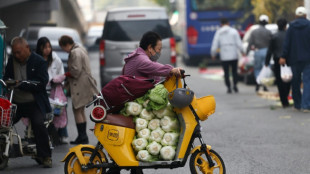 China growth narrowly beats forecasts

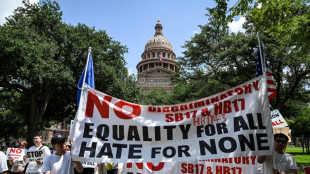 Faith and fury: Texas Senate rivals offer contrasting visions
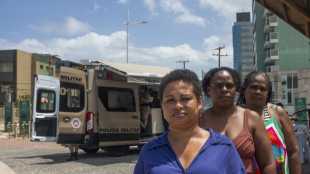 Women await justice for police killings in Brazil
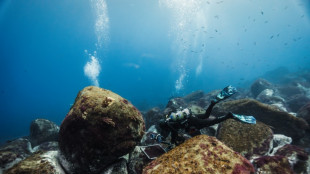
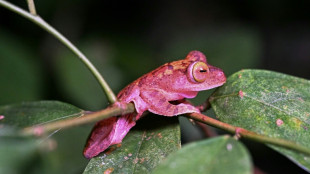 The painstaking task of cataloguing the world's species

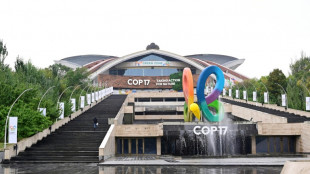
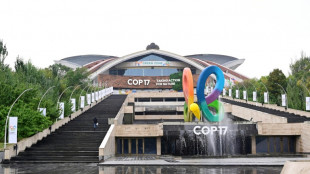 Nations seek reset at UN talks as nature goals off track

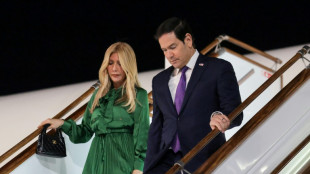 Rubio seeks to strengthen US foothold in Central Asia

 LeBron joins 76ers to chase one more NBA title at age 41

 Rays one win from World Series return after downing Guardians

 Kings' Ben Simmons tears Achilles in training

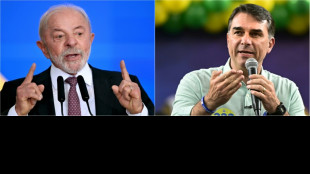 Lula, Bolsonaro set for first debate showdown in bitter election race

 Mbappe hits two as Real Madrid rout Sevilla
 Browns edge Ravens for division lead, Texans beat Jags

 Lyon go top of Ligue 1 as Monaco fall to first defeat of the season

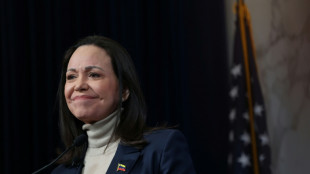 Venezuela opposition alliance reaffirms Nobel laureate Machado as leader

 'Street Fighter' wins N. America box office, buzzy doc stuns in 2nd

 NFL: Paris game to go ahead despite protests in France

Canadian Prime Minister Mark Carney was flying to Asia on Thursday for a three-country tour with a first stop in India, where he hopes to double trade to offset the damage of his country's fracturing relations with the United States.
Carney's India visit marks the latest effort to reset bilateral ties that effectively collapsed after Ottawa accused New Delhi of orchestrating a deadly campaign against Sikh activists on Canadian territory.
For Carney, the trip that includes stops in Australia and Japan is part of a broad effort to pivot the Canadian economy away from excessive reliance on its southern neighbor.
In 2024, before US President Donald Trump returned to office and upended global trade through a flurry of tariffs, more than 75 percent of Canadian exports went to the United States. Two-way trade that year exceeded $900 billion.
So far Trump broadly adhered to the North American free trade agreement he signed during his first term and about 85 percent of US-Canada trade remains tariff-free.
But at the same time, he also imposed painful industry-specific tariffs and there are fears that if he scraps the broader trade deal, the Canadian economy will be hit hard.
Carney has made boosting commerce with Europe and Asia cornerstones of his strategy to backstop Canada's economy, should free trade with Washington collapse.
University of Toronto public policy expert Drew Fagan said Carney was wise to pursue other markets, calling for a strategy that seeks to do "more elsewhere, when there's an opportunity."
The prime minister has said he wants to more than double two-way trade with India by 2030, eyeing a target of Can$70 billion ($51 billion) by 2030.
Fagan cautioned that progress with countries like India cannot mitigate the damage of a US rupture.
"It's not a solution. It's not a replacement and it never will be," Fagan told AFP.
- Transnational repression -
Carney left Ottawa on Thursday morning en route to Mumbai.
He is expected to meet with business groups in the Indian city over the weekend before heading to New Delhi for talks with Prime Minister Narendra Modi, a meeting that will be closely watched.
Before Carney took office last year, Ottawa accused Modi's government of direct involvement in the 2023 killing of Hardeep Singh Nijjar, a naturalized Canadian citizen who advocated for an independent Sikh state called Khalistan.
Former prime minister Justin Trudeau's government further charged India with directing a campaign of intimidation against Sikh activists across Canada.
India has denied those allegations.
Canadian Foreign Minister Anita Anand was asked Monday if Canadian concerns about transnational repression would feature at the New Delhi talks.
"Yes, that is always at the forefront of our minds," Anand told reporters in Ottawa.
Carney's hopes for trade growth with Australia and Japan are more modest, but his office said cooperation over critical mineral supply chains will be a priority.
Advanced economies have made a push to deepen critical mineral cooperation, especially in the processing of rare earth elements essential to power many high-tech products.
China currently has dominant control of rare earth supply chains, a concern that Canada highlighted throughout its just-concluded G7 presidency.
K.AbuTaha--SF-PST