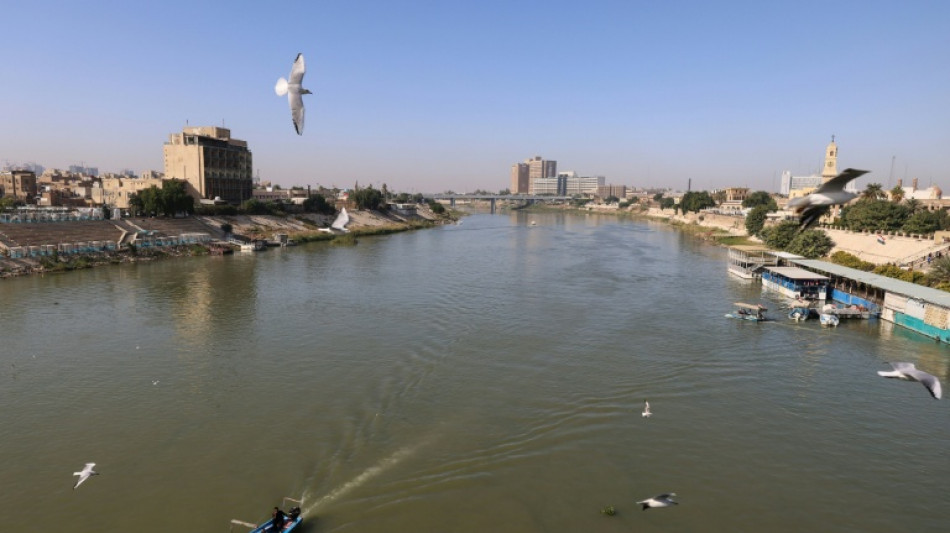
Iraq negotiates new coalition under US pressure / Photo: AHMAD AL-RUBAYE - AFP

 Jansen, Rabada put South Africa in sight of win over Australia

 Low Rhine weighed on German growth: central bank
 OpenAI says its AI agents disabled their own safety monitors
 Alldritt returns as France call up seven newcomers for Nations Championship
 UN issues call to arms to combat off-the-charts El Nino
 Nigeria Ebola case matches DR Congo strain
 Musk's SpaceX helps launch stock market gains
 Rose salutes Bournemouth's past heroes ahead of AC Milan clash
 Argentina's Milei calls Spain PM Sanchez a 'dictator' in Madrid visit

 Barca's Olmo injured for a month, misses Clasico
 Impacts of UK's new North Sea gas drilling
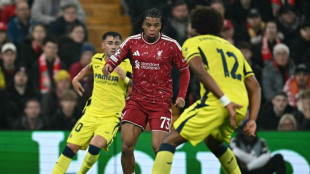
 Jansen takes five for South Africa as Australia forced to follow on

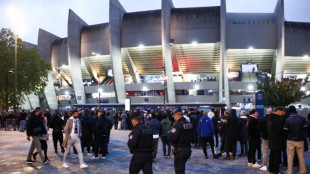 Toulouse v Troyes Ligue 1 game postponed as France gripped by unrest
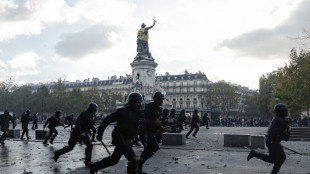
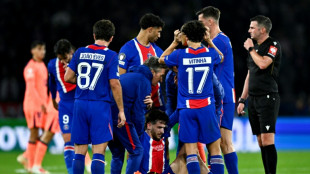 PSG winger Kvaratskhelia's season in doubt after torn ACL
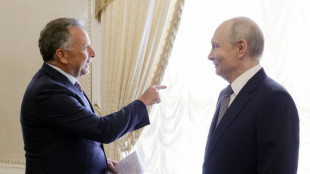 Putin, Witkoff meet in Russia for Ukraine war talks
 Musk's SpaceX helps fuel stock market gains
 Authors urge UK to halt 'draconian' Palestine Action ban as Rooney sales end
 South Korea guides crowd-pulling shark out of canal
 PSG's Kvaratskhelia season in doubt after torn ACL
 President berates countries that 'insult' Indonesia over wildfires
 PSG's Kvaratskhelia set for months out with torn ACL
 Japan sends senior diplomat to Russia over detained journalist
 Rising UK inflation, debt knocks govt ahead of budget
 UK govt approves drilling in controversial Jackdaw gas field
 US envoy to meet Putin after 'positive' talks with Zelensky

More than a month after Iraq's parliamentary elections, the country's top leaders remain locked in talks to form a government while facing pressure from Washington to exclude Tehran-backed armed groups.
Amid seismic changes in the Middle East, where new alliances are forming and old powers waning, Iraqi leaders face a daunting task: navigating relations with US-blacklisted pro-Iranian factions.
- What does the US want? -
The US has held significant sway over Iraqi politics since leading the 2003 invasion that ousted long-time ruler Saddam Hussein.
But another spectre also haunts Iraq's halls of power: Washington's arch-foe, Iran.
Iraq has long been caught between the two, with successive governments negotiating a delicate balance.
Now, after November's election, Washington has demanded the eventual government must exclude Iran-backed armed groups and instead move to dismantle them, Iraqi officials and diplomats told AFP.
A State Department spokesperson, speaking on condition of anonymity, said: "Iraqi leaders well know what is and is not compatible with a strong US-Iraq partnership".
Washington, the spokesperson said, "will continue to speak plainly to the urgency of dismantling Iran-backed militias".
But some of these groups have increased their presence in the new chamber and have joined the Coordination Framework, an alliance of Shiite parties with varying ties to Iran and which holds the majority.
For weeks, the Coordination Framework has been embroiled in talks to nominate the next prime minister.
"The US has put conditions that armed factions should not be part of the new government," a senior Iraqi official said. The factions must disarm and "sever ties with Iran's Revolutionary Guard," he added.
In recent tweets, the US special envoy to Iraq, Mark Savaya said that Iraqi leaders are at a "crossroads".
Their decision "will send a clear and unmistakable signal to the United States... that Iraq is ready to claim its rightful place as a stable and respected nation in the new Middle East.
"The alternative is equally clear: economic deterioration, political confusion, and international isolation," Savaya said.
- Which armed groups? -
The US has blacklisted as "terrorist organisations" several armed groups from within the Hashed al-Shaabi, a former paramilitary alliance now integrated into the armed forces.
They are also part of the Iran-backed so-called "axis of resistance" and have called for the withdrawal of US troops -- deployed in Iraq as part of an anti-jihadist coalition -- and launched attacks against them.
Most of these groups hold seats in parliament and have seen their political and financial clout increase.
The Asaib Ahl al-Haq faction, led by Qais al-Khazali, who is a key figure in the Coordination Framework, won 27 seats in the latest election, making it harder to exclude it from the government.
A potential compromise is to deny it a key portfolio, as in the current government.
"The US has turned a blind eye before, so they might after all engage with the government as a whole but not with ministries held by armed groups," a former Iraqi official said.
Other blacklisted groups are:
+ Kataeb Hezbollah, one of the most powerful armed groups, supports a parliamentary bloc (six seats).
+ Kataeb Sayyid al-Shuhada, Kataeb Imam Ali and Harakat Ansar Allah al-Awfiya.
+ The al-Nujaba movement is the only group that has steered clear of elections.
- What is at stake? -
Iraq has its economic growth to worry about.
After decades of turmoil, it has only begun to regain a sense of normalcy in recent years.
Washington has already imposed sanctions on several Iraqi entities and banks, accusing them of helping Tehran evade sanctions.
But Iraqi leaders hope for greater foreign investments and support partnerships with US companies.
The most striking endorsement came from Khazali, an opponent of the US military presence who now argues that it would be in Baghdad's interest for major US companies to invest.
Since the Israel's war with Hamas in Gaza began in October 2023, Iraq has remained relatively unscathed by the turmoil engulfing the Middle East.
Iraqi armed groups did launch attacks on US troops and largely unsuccessful ones on Israel. Washington responded with heavy strikes, and the attacks have long-since halted.
Iraq remained the only close regional ally of Iran to stay out of Israel's crosshairs.
So far, the US has acted as a buffer, helping to prevent an Israeli attack, but Iraqis have been warned of strikes against the armed groups, multiple sources said.
But as the presence of American forces dwindles, fears are growing.
Y.Zaher--SF-PST