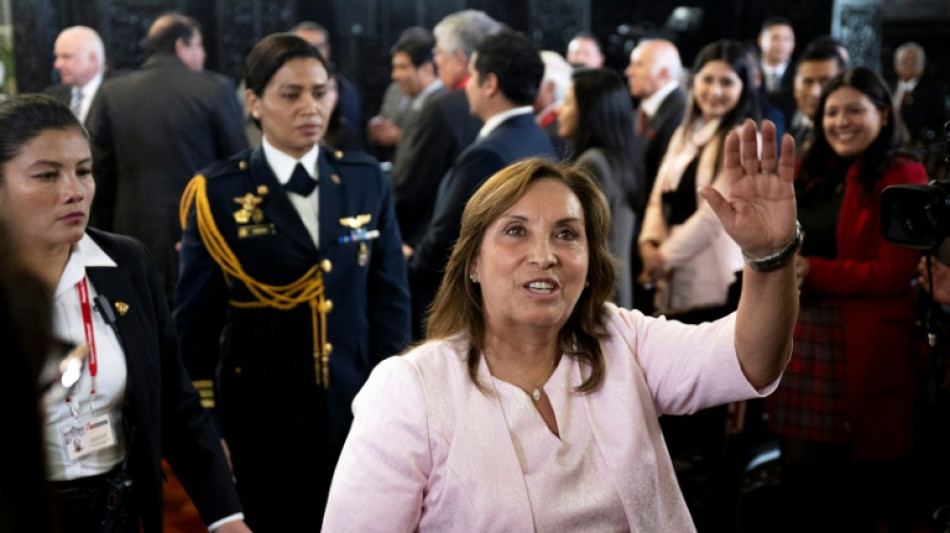
Why Peru just ousted another president, and what comes next / Photo: Ernesto BENAVIDES - AFP/File

 Tatum delivers as Celtics down winless Knicks

 Romantasy fans ready for sleepless night as 'Court of Thorns and Roses' returns
 De Goede hat-trick as Canada defeat England again
 Rubio urges Cubans to work with CIA, but warns: be discreet
 Leclerc tops times for Ferrari in practice for US Grand Prix

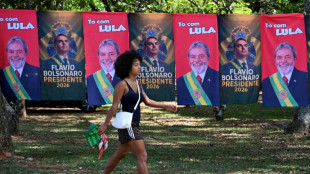
 Lula, Bolsonaro lock horns in final debate before Brazil vote
 Poulter and Hatton leave LIV Golf
 Blakely vaults out of the shadow of Biles for all-around world title

 Oil tops $116 with stocks mixed on earnings, AI

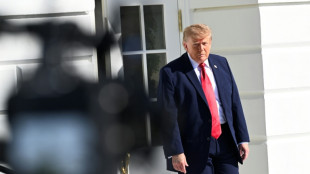 Trump orders lawsuit to block Alaska Senate result if Republicans lose
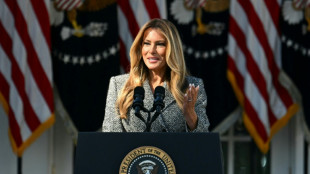
 Ebola patient in Nigeria is Swiss, had not visited DR Congo: Bern

 Messi receives top Spanish award from heir to throne

 Macron condemns 'racist terrorist attack' after deadly shooting near Paris
 Shiffrin sidesteps slalom in 'exploration' season
 Bayern Munich coach Kompany in hospital after collapsing: club

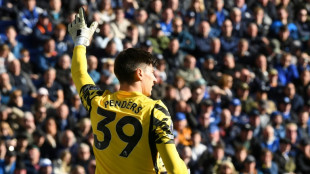 Alonso sees Courtois similarities in Chelsea's Penders

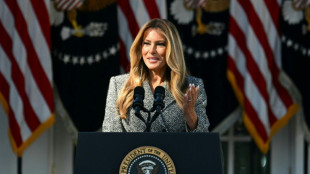 Melania Trump announces truce in Ukrainian city 'on brink of disaster'

 Saka to be carefully managed after latest injury setback, says Arteta

 Goodell says NFL's France debut 'just the beginning'

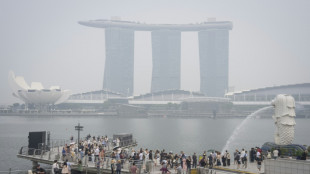 Singapore widens haze probe to local firms linked to Indonesian fires
 Hundreds of Syrians protest repeated Israeli incursions

 El Salvador sends troops to Haiti to find 4 missing soldiers
 Liverpool must go 'full gas' despite injury issues, says Iraola
 Oil hits $115 with stocks mixed on earnings, AI

 Casualties feared as multi-storey building collapses in Nairobi

In a matter of hours, Peru impeached one of the world's most unpopular presidents, Dina Boluarte, and appointed its seventh leader in nine years.
With only six months to go until the next elections, the country finds itself mired in its umpteenth political crisis.
- Why was Boluarte impeached? -
Boluarte was removed in a swift impeachment trial after a gun attack Wednesday on a group of cumbia musicians performing on stage in Lima -- seen as the last straw after a string of attacks on performers and business owners by extortion gangs.
Unlike the impeachment of her left-wing predecessor, Pedro Castillo, in December 2022, the ouster of the supremely unpopular Boluarte sparked no protests.
She left office with a disapproval rating of 96 percent, according to the polling firm Ipsos, rivalled only by that of Congress, at 89 percent.
Her impeachment follows months of protests by bus companies, merchants and, more recently, students, over shakedowns by criminal gangs -- and attacks on those who refuse to pay protection money.
The appointment of Congress speaker Jose Jeri as interim president failed to appease anger in Lima against a political class seen as inept and corrupt.
"We've traded one rat for another (...) We're in a very bad way," Gaby Valdivia, a 50-year-old flower merchant, told AFP.
"We're very used to presidents (...) falling quickly and the lives of Peruvians remaining the same," political scientist Augusto Alvarez told AFP.
- How bad is the extortion wave? -
Extortion and contract killings have been a feature of daily life across the South American country.
Gangs like Los Pulpos and Venezuela's Tren de Aragua, which operates across Latin America, hold people from all walks of life for ransom.
In Peru, reported cases of extortion shot up from 2,396 in 2023 to 15,336 in 2024, a 540 percent increase.
At least 47 bus drivers have been murdered this year in hits blamed on extortion gangs.
In March, Congress dismissed the interior minister after cumbia star Paul Flores was shot dead by hitmen after leaving a concert in Lima.
With each new attack, the parties that had propped up Boluarte in Congress became more critical of the government.
Their impeachment of Boluarte was an attempt to demonstrate that the security crisis was her "sole and exclusive responsibility," Fernando Tuesta, political scientist at the Pontifical Catholic University of Peru, told AFP.
- Will protests end now Boluarte is gone? -
Lima has for months been convulsed by protests and strikes over the violence, with members of a "Generation Z" youth collective joining in on recent weekends.
At least 74 people have been injured in the protests.
Jeri, the interim president, has attempted to take the heat out of the protests by vowing to "declare war" on organized crime.
But a new day of demonstrations is planned for next week.
Jeri has promised to lead a transitional government until elections on April 12, 2026.
But given the volatility of Peruvian politics, experts say, voters may find the wait too long.
He could become "a president of a few days," Tuesta warned.
- How's the economy holding up? -
Latin America's sixth-largest economy has been relatively untouched by the successive crises.
Its currency, the sol, is one of the most stable in the region, and annual inflation is low, below 1.4 percent.
Its weakness is the high proportion of people -- seven out of 10 workers -- in informal employment, without social benefits or legal protection.
D.Khalil--SF-PST