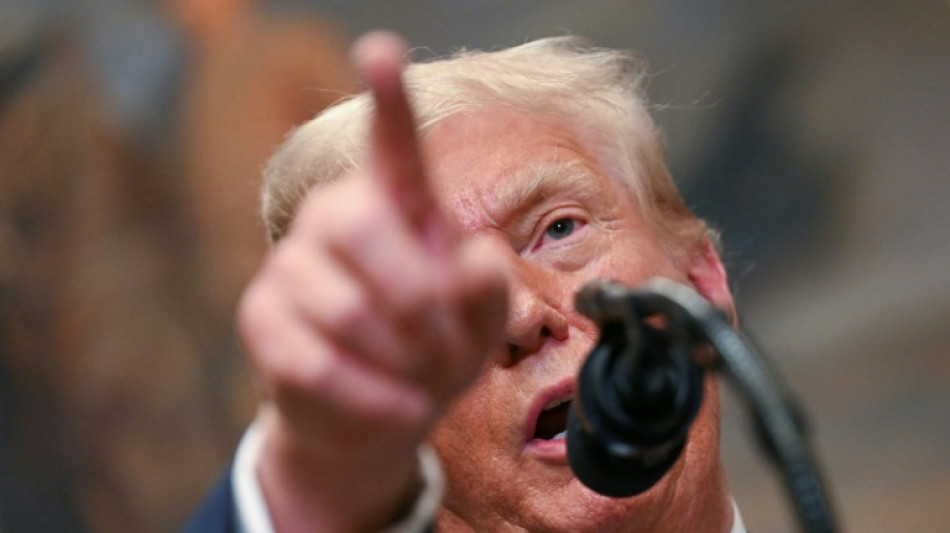
Trump orders tariffs on dozens of countries in push to reshape global trade / Photo: Jim WATSON - AFP

 Pakistan keep England to 241 despite Duckett ton

 Ukraine war divides Bulgaria as voters elect president

 Shock and grief in a Jordanian village after church attack
 Top-ranked Rybakina crushes Fernandez to win fourth title of season
 UK PM calls for 'honest discussion' about EU free movement

 Far-right leader Le Pen kicks off tilt at French presidency amid nationwide protests

 Naomi Osaka could quit tennis if daughter asks her to

 Last MotoGP race at Phillip Island cancelled due to weather in Marquez setback

 Sri Lanka seeks faster green energy shift after oil shocks
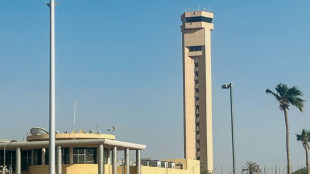 Riyadh airport resumes flights following Houthi attacks

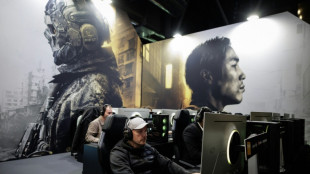 'Call of Duty' North Korea invasion edition tops sales charts in South
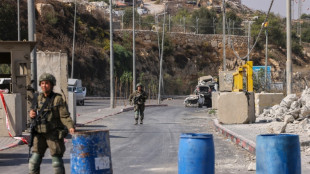
 Musk accuses Ukraine of violating Starlink's terms of service

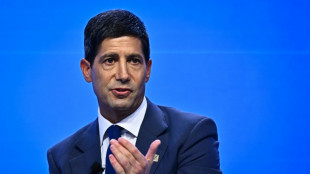 Fed expected to hold rates steady days ahead of US midterms

 More Lula, or back to the Bolsonaros? Brazil votes in cliffhanger
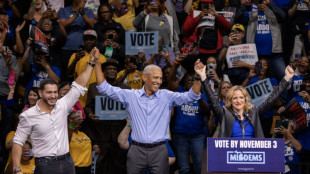
 Jorge Martin out of Australian MotoGP with fracture: team
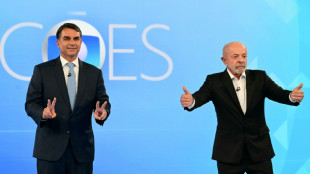
 Antonelli storms to US Grand Prix pole on weekend he can take title

 Apologetic Alvarez fires Atletico to win against Deportivo

 Lens beat PFC in Ligue 1 matchday impacted by social unrest

 Valkyries hit back against Dream to level WNBA Finals

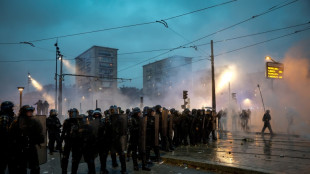 'Fighting for our rights': Paris protesters determined to march on

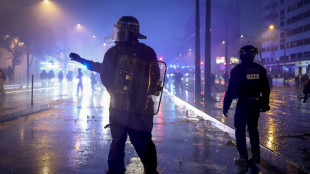 Clashes break out in Paris, other French cities amid fresh protests
 Spurs seal rare win at Chelsea as Palmer sees red

 Nearly 1,000 arrested in French protests marred by 'elevated' violence: minister

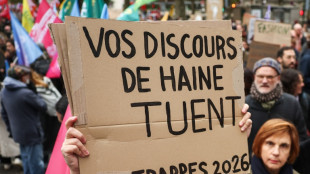 France extends detention of suspected racist shooter
 Andrade and Nemour star as Biles cheers at world gymnastics champs
President Donald Trump ordered the reimposition of tariffs on dozens of trading partners Thursday -- his cornerstone strategy for reshaping global trade to benefit the US economy.
However in a minor reprieve, the White House said the measures will take effect in a week, not this Friday as previously expected.
The tariffs are a demonstration of raw economic power that Trump says will put US exporters in a stronger position while encouraging domestic manufacturing by keeping out foreign imports.
But the muscular approach has raised fears of inflation and other economic fallout in the world's biggest economy.
And with questions hanging over the effectiveness of bilateral trade deals already struck -- including by the European Union and Japan -- the outcome of Trump's plan remained uncertain.
Trump's new measures in an executive order raised duties on dozens of economies up to a 41 percent rate.
- Frantic negotiations -
Most of these new tariff hikes were first announced in April when Trump slapped a minimum 10 percent levy on goods from almost every country in the world, citing unfair trade practices and US deficits.
However, Washington then postponed implementation, amid frantic series of negotiations, alongside announcements of new duties and deals with some partners.
Just Thursday, Trump announced he was delaying a tariff hike on products from the major US trading partner Mexico. The postponement by 90 days came after talks with his counterpart Claudia Sheinbaum.
The 79-year-old Republican has made tariffs core to his protectionist brand of hard-right politics. On Thursday, he claimed that the US economy had "no chance of survival or success" without tariffs.
But the latest salvo came amid legal challenges against Trump's use of emergency economic powers. On Thursday, the US Court of Appeals for the Federal Circuit heard arguments in cases brought against Trump's blanket tariffs targeting different countries.
And questions linger over the effectiveness of Trump's grand plans, or even whether he will hold firm on his most drastic threats.
While Trump has touted a surge in customs revenues since the start of the year, economists warn the duties could fuel inflation.
Proponents of his policy argue that their impact will be one-off, but analysts are awaiting further economic data to gauge for more persistent effects.
- China question mark -
Among those who managed to strike deals with Washington were Vietnam, Japan, Indonesia, the Philippines, South Korea and the European Union.
Britain also reached a pact with the United States, although it was not originally targeted by higher "reciprocal" tariffs.
Washington did not finalize a deal with neighboring Canada, but Trump reached agreement with Mexico to maintain an existing 25 percent duty on its products.
Canada, however, was slapped with duties of 35 percent in the Trump executive order.
An exemption for goods entering the country under a North American trade pact remained in place, according to the White House. But transshipped goods to evade the 35 percent duty would face even higher levels.
Canada's trade relations with the United States came under renewed threat after Prime Minister Mark Carney announced plans to recognize a Palestinian state at the UN General Assembly in September.
Notably excluded from the latest drama was China, which faces an August 12 deadline instead, when duties could bounce back to higher levels.
Washington and Beijing had slapped tit-for-tat tariffs on each other's goods, bringing them to triple-digit levels before both countries reached agreement in May to temporarily lower these duties.
The superpowers are now working towards extending their truce.
Z.AbuSaud--SF-PST