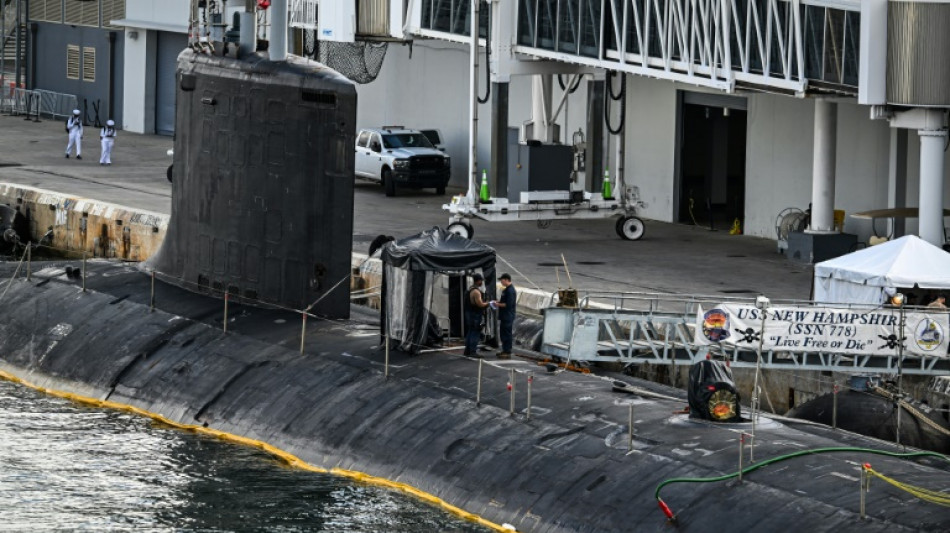
UK, Australia back embattled submarine deal with US / Photo: CHANDAN KHANNA - AFP

 Monaco hold Lille as both move to top of Ligue 1

 Isak extends hot streak as Liverpool sink Brighton

 Brazil chooses between Lula and Bolsonaro in nail-biter vote

 Doha opens ninth World Investment Forum focused on future investment

 Kuwait public works minister and UK ambassador discuss closer cooperation

 Historic Ramallah olive press joins modern production with local tradition

 Hebron operation forces 373 Palestinian families from their homes

 Chicago Fire rally past Atlanta United 3-2 to hold fourth place

 Credit-card shortcuts can turn impulse spending into lasting debt

 Insurance deductibles and no-claim bonuses require a careful claims decision

 Poland’s WB Group plans $100 million India investment for drone production

 John Catlin wins Hong Kong Open and secures first Masters invitation

 KIB Group nine-month profit rises 30% to KD 26.6 million

 شركات عائلية من دبي تدرس تجارب هونغ كونغ في الحوكمة وانتقال الثروة

 تحالف إماراتي أفريقي يدرس مشاريع الطاقة والتعدين والبنية التحتية

 كأس الإمارات للناشئين يعزز مسار اكتشاف مواهب الغولف

 نازحو مخيم الإسراء في غزة يواجهون نقص الغذاء وتراجع المساعدات

 فيديو انتخابي لبن غفير من سجن عوفر يثير انتقادات

 هيئة حقوقية تحذر من تهجير وهدم واسع في الخليل

 الأمير علي ينتقد دعم الاتحاد الآسيوي لإنفانتينو ويطالب بالشفافية

 أربع ملفات قد تتغير إذا سيطر الديمقراطيون على الكونغرس الأميركي

 حرية التنقل تعيد ملف علاقة بريطانيا بالاتحاد الأوروبي إلى الواجهة

 Pinheiro Braathen wins Soelden giant slalom
 Man Utd's Fernandes dropped by Carrick after Como outburst

 التفكجي: قيود الترخيص والهدم تضغط على الوجود الفلسطيني في القدس

Britain and Australia said Friday they will sign a 50-year commitment to their nuclear-powered submarine pact with the United States, seeking to bolster a deal that Washington has thrown into doubt.
The two countries cast their pledge as a historic treaty but gave few details beyond saying it would help economic cooperation and "underpin" the existing, three-nation AUKUS pact.
"It is a profoundly important treaty that we will sign tomorrow," Australian Defence Minister Richard Marles told reporters after talks in Sydney between the two countries' defence and foreign ministers.
A US defence official last month revealed that a review of AUKUS was underway to ensure it "aligned with the President's America First agenda" and that the US defence industrial base was "meeting our needs".
Under the 2021 AUKUS deal, Australia would acquire at least three Virginia-class submarines from the United States within 15 years, eventually manufacturing its own subs.
The US Navy has 24 Virginia-class vessels but American shipyards are struggling to meet production targets set at two new boats each year.
In the United States, critics question why Washington would sell nuclear-powered submarines to Australia without stocking its own military first.
"A new government undertaking a review is the most natural thing in the world," Marles said of the decision by US President Donald Trump's administration.
- 'Symbolism is important' -
Australia had already contributed US$1 billion this year to help boost production and maintenance of submarines in the United States, he said.
"We are really confident that the production rates will be raised in America."
Under AUKUS, Britain will eventually develop a new class of nuclear-powered attack submarines, the SSN-AUKUS, to enter service from the late 2030s.
Australia would also build the SSN-AUKUS, with delivery expected to its navy in the early 2040s.
British Defence Secretary John Healey said London welcomed the US review.
"It's an opportunity for the new administration to renew America's commitment to the deep AUKUS partnership that our three nations have," he said.
In a government statement, Britain repeated previously released figures saying that the AUKUS submarine programme would lead to the creation of 21,000 UK jobs.
It said the submarine programme was expected to be worth "up to" 20 billion pounds (US$27 billion) in British exports over the next 25 years.
Analyst Tom Corben from the United States Studies Centre in Australia said the new treaty between Canberra and London was an important show of solidarity.
"The symbolism is important given everything else that is happening," he said.
Britain's defence and foreign ministers were visiting Australia as their country's Carrier Strike Group and 3,000 personnel took part in annual Talisman Sabre military exercises across Australia and Papua New Guinea.
A.Suleiman--SF-PST