
Kenya's HIV patients victims of US aid freeze / Photo: Fred OOKO - AFP

 Thames Water seeks to delay £12bn in debt repayments

 Newark boxing gym expands alternative education programme
 Democrats consider impeachment drive against Defence Secretary Hegseth
 Rail journey offers a slower route to a Berlin city break

 Arsenal control title race as Manchester United fall into bottom three

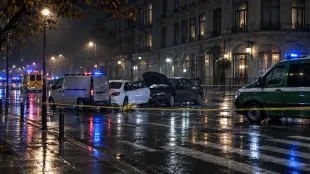 Suspected Krakow gunman dies after attack that killed six
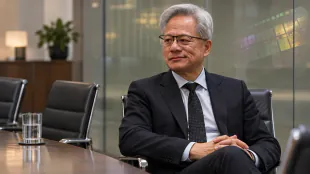
 Carrick backs Dalot after hostile reception from Manchester United fans

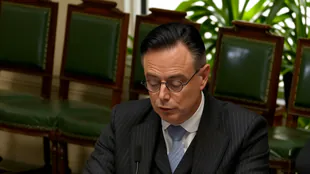 Belgian PM Bart De Wever Given New Deadline to Resolve €10 Billion Budget Deadlock

 الدفاعات الروسية تسقط 38 طائرة مسيرة فوق لينينجراد

 Amitabh Bachchan Drops Bulletproof Glass for Diwali Fan Greeting Outside Mumbai Home

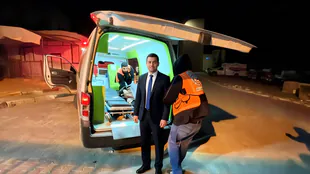 استشهاد 5 أشخاص بينهم أطفال بانهيار جرف رملي على خيام نازحين في دير البلح

 First Drive: 2027 BMW i760 xDrive Review
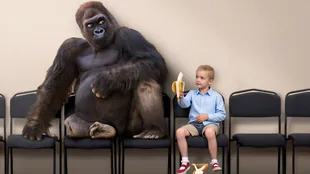 الأصدقاء الخياليون: كيف تعزز الكائنات غير المرئية القدرات العقلية للأطفال والبالغين
Days after US President Donald Trump froze overseas aid funding, Hellen Anyango anxiously counted her boxes of AIDS treatment drugs, unsure what would happen when they ran out.
At the beginning of February, she had only three boxes of the anti-retroviral (ARV) medication left -- enough to last her just a week.
"If I don't take them, I can't be well," said the 43 year-old shop assistant, who comes from a village in Kisumu county on the shore of Lake Victoria.
Like millions of others, Anyango has counted for her treatment on PEPFAR, a scheme launched by then-US president George W Bush in 2003.
The US embassy in Kenya said in 2023 that it had spent $8.0 billion over 20 years on PEPFAR work in the East African country, reaching some 1.3 million people with ARV medicine and saving "millions" of lives.
The programme was disrupted suddenly at the end of January when Trump suspended most foreign aid programmes for 90 days.
Despite Washington announcing waivers for life-saving treatments, PEPFAR-financed clinics and drug-distribution centres in Kisumu shut down soon after the initial aid freeze and have remained closed.
Last week, international medical charity Doctors Without Borders confirmed that access to HIV pre-exposure prophylaxis and community-led surveillance programmes were still at a standstill in the region.
More than 135,000 people -- around 11 percent of the population -- in Kisumu are HIV positive, compared to a national average of around three percent.
"I don't know if my family is going to lose me or what my future looks like," Anyango told AFP.
- Confusion -
Erick Okioma, 61, who runs a local programme helping HIV patients and has lived with the virus himself for 25 years, said the sudden stop in PEPFAR was "devastating" and experienced like "a declaration of war".
The exact impact of the US aid freeze and subsequent waivers has caused "great confusion", he added.
Okioma attributes the high level of HIV in Kisumu -- where 60 percent live below the poverty line -- to local women prostituting themselves in return for fish caught by local men.
Treating patients at specialist clinics has helped shield them from the stigma around HIV-positive people, he said. He fears the social impact if they must go to public institutions.
That is a particular concern for young people, said Evelyne Mutobwa, who treats 172 HIV-positive adolescents at the MedSup Migosi health facility.
"Most of them have said that if we expose them to the community, everyone will know that they are on treatment," she said.
Some locals are critical that the Kenyan government has not stepped up its own efforts in a country with 1.4 million HIV-positive people.
Nelson Otwoma, head of an HIV support group in Nairobi, said it was time for the government to take care of its own problems.
"We are not Trump's responsibility," he said.
Kenya's health ministry says it has enough stocks to keep treatments going for at least six months.
R.Shaban--SF-PST