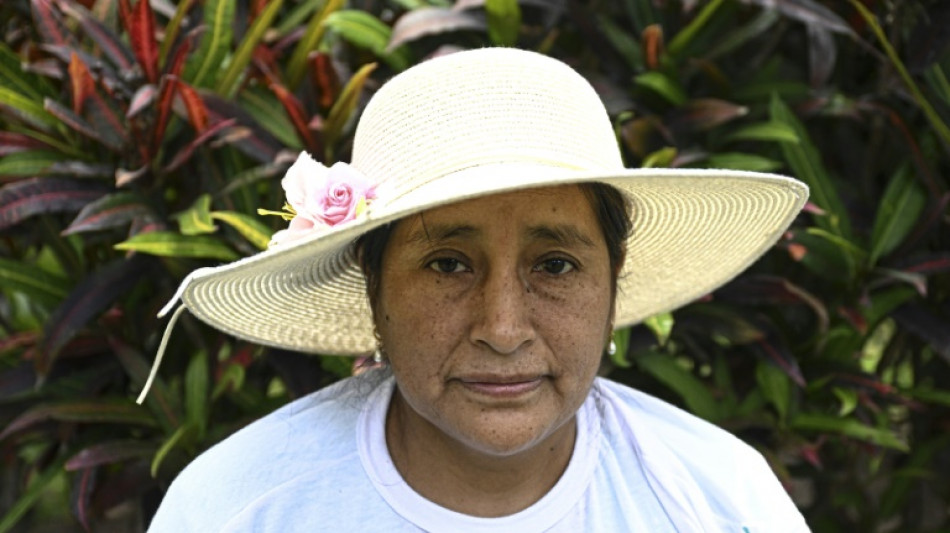
Life 'cut short': Peru's victims of forced sterilization seek amends / Photo: Ernesto BENAVIDES - AFP

 Brighton run rampant against 10-man Coventry

 Late Mbappe goal sends Lille top of Ligue 1
 Five-star Brighton crush 10-man Coventry

 Team Europe beat United States to reclaim Solheim Cup

 US House Speaker warns curbing AI too sharply could leave China ahead

 張國榮70歲誕辰音樂會西九舉行 唐鶴德錄音致意
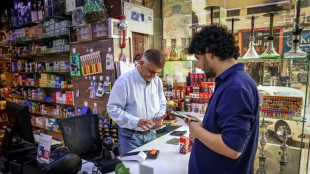 Iran's economic ties to Dubai hard to break despite war

 iPhone 18預購後出現可疑扣款 四間銀行調查未授權交易
 《浪花男女》辦特別謝票場 馮志強談票房與導演客串拍攝

 Former captain De Villiers hails 'fantastic' Springboks
 Galaxy Tab S12系列效果圖曝光 Ultra擬配雙鏡頭及瀏海螢幕
 اليورو يستقر في البنوك المصرية وأعلى سعر للبيع 59.85 جنيه

 حمزة قورقماز يناقش العلاقة بين وضوح المبادئ واحترام الاختلاف

 Altman tells Fortune OpenAI will not go public in 2026
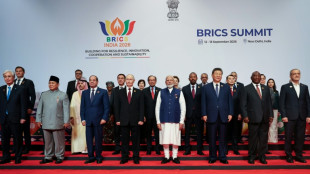 China, Russia, India seek economic cooperation at BRICS
 دول عربية ومنظمات تدين استهداف خط أنابيب في السعودية

 ستاندرد آند بورز تثبت تصنيف السعودية عند A+
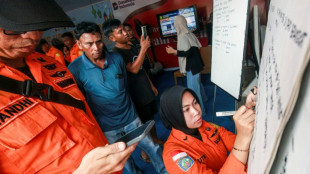 One dead, 102 rescued from stricken ferry off Indonesia's Java
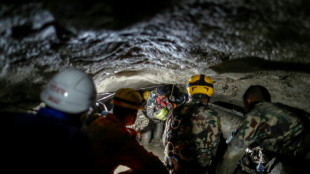
 Garcia keeps WBC welterweight title by stopping Benn
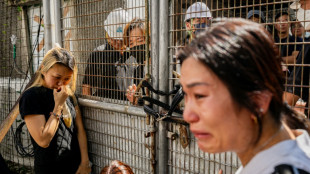
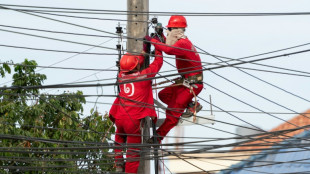 Lights out in Laos as electricity exports surge

 'This is the test': All eyes on US Fed to tackle high inflation

 Scars of Marawi siege linger as Philippines poll nears

 Trump turns to golf, family business on Irish visit's second day

 Defiant Sabalenka motivated by US Open defeat

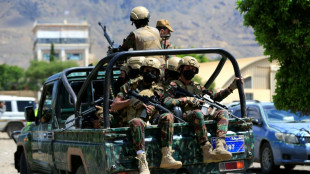 Houthis say hit Saudi base after renewed fighting with Yemeni govt forces

Florentina Loayza was 19 and mother to an infant when she was sterilized by agents of the Peruvian government, against her will.
Decades later, the 46-year-old Indigenous woman is still fighting for an apology and reparations along with thousands of others robbed of their fertility in a 1990s state campaign condemned by the United Nations.
"My life was cut short," Loayza told AFP, recounting how her partner abandoned her over the procedure, which also left her with lasting pain.
"On the outside, we look fine, but inside we are withering," she said of the estimated 270,000 women who, like her, were coerced, pressured or deceived into surgery to have their fallopian tubes tied.
Eighteen women died, according to official data, during the campaign that marked the final years of then-President Alberto Fujimori's 1990-2000 rule.
His government said it had offered sterilization as part of a family planning project, but the UN women's rights committee said in a report last October the state had carried out a "systematic and generalized attack against rural and Indigenous women."
It said the procedures were carried out without informed consent from victims who were often poorly educated and did not understand Spanish, the language of officialdom in Peru.
"It’s not something that was done in the cities... but in a specific (rural) area as a way of fighting poverty so that the poorest women didn't reproduce," Leticia Bonifaz, who was a member of the UN committee, told AFP.
She said it was the biggest known case of forced sterilization in Latin America.
- 'Life hasn't been easy' -
Loayza today is an activist. She wishes she could have had more children and rarely smiles.
In 1997, she was living in rural Huancavelica in Peru's southeast, with a baby a few months old.
Her life changed dramatically when she left home one day, stuffed with other women onto the back of a truck "like sheep," to collect promised food aid from a nearby clinic.
When they got there, she said, the women were not given aid but forced surgery.
"We were grabbed by nurses and placed on stretchers. They injected us with something."
When she woke up, Loayza was informed she had been sterilized.
Back home, her partner refused to believe her, accusing Loayza of wanting to be infertile in order to sleep with other men.
He left her and Loayza moved to the capital, Lima, to make a living cleaning houses.
She said she has suffered abdominal pain ever since the procedure, and desperately needs government help with health care she cannot afford.
"Life hasn't been easy," Loayza told AFP.
- 'Internal scar' -
In the house she shares with her four children on the outskirts of Lima, 55-year-old Maria Elena Carbajal shows the only photo she has of her last pregnancy before she, too, was sterilized against her will.
Aged 26, she had given birth in a public hospital and claims doctors who scolded her for "having many children" told her that if she wanted to see the newborn, she had to agree to a procedure.
Out of fear, she acquiesced.
Carbajal's husband also left her as a result, and like Loayza, she survived by cleaning other people's homes.
"I took my four children and practically had to escape from my mother-in-law's house and go to my mom's house," she recalled.
"For many years I thought it was my fault."
Carbajal now heads an organization for victims like her, but in 2021, she suffered a back injury in an attack on a protest she was part of.
For two years, she has waited to have surgery on her back on top of the treatment she needs for a hormonal deficit caused by her sterilization.
"Not only are our bodies scarred," she said, "but we also carry the internal scar of being abandoned by our families."
In its report last year the United Nations urged the Peruvian state to "accelerate and expand its investigations" into the matter, and provide financial compensation, psychological support and a comprehensive reparation program.
Fujimori died last September, having served 16 years of a 25-year prison sentence for human rights abuses.
He was never brought to trial over the sterilization campaign.
In 2023, a Peruvian court ruled that involuntary sterilizations had been part of public policy at the time, and ordered compensation and health care access for victims.
This has not yet come to pass.
O.Salim--SF-PST