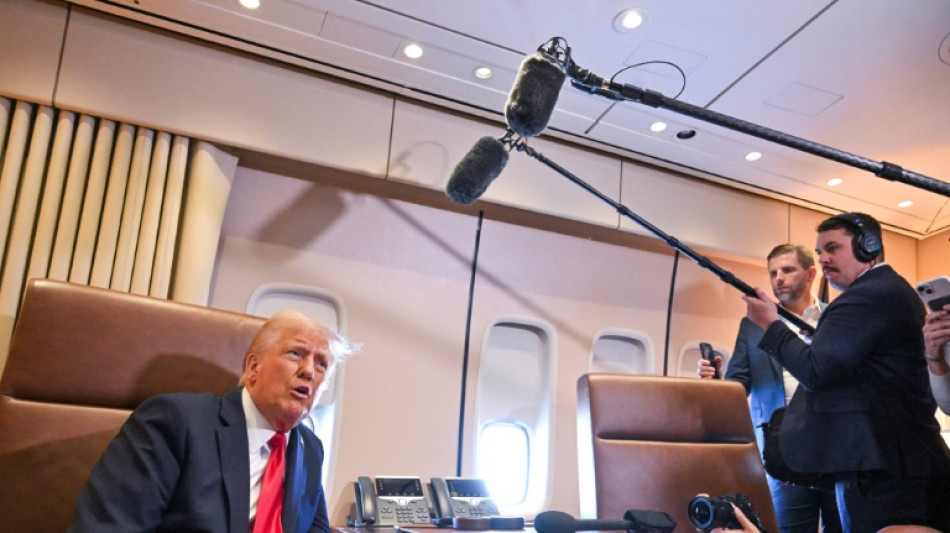
Trump's tariff tactics may reshape global trade: analysts / Photo: ROBERTO SCHMIDT - AFP/File

 Lobotka eases pressure on Allegri with Napoli winner

 Trump watches as Lowry wins Irish Open in record-breaking style

 Poland, Ukraine slam Russian strikes near border as 'escalation'

 Haaland fires 10-man Man City to memorable win over Man Utd
 I miss the adrenaline, but it's not my moment - Bolt
 Championship leader Antonelli to 'keep pushing' for title

 Yamal double helps Barca edge Levante thriller

 دراسة على مستفيدي ميديكيد ترصد فجوة في العمر المتوقع للمصابين بالتوحد

 Brighton run rampant against 10-man Coventry

 Late Mbappe goal sends Lille top of Ligue 1
 Five-star Brighton crush 10-man Coventry

 Team Europe beat United States to reclaim Solheim Cup

 US House Speaker warns curbing AI too sharply could leave China ahead

 張國榮70歲誕辰音樂會西九舉行 唐鶴德錄音致意

 Iran's economic ties to Dubai hard to break despite war

 iPhone 18預購後出現可疑扣款 四間銀行調查未授權交易
 《浪花男女》辦特別謝票場 馮志強談票房與導演客串拍攝

 Former captain De Villiers hails 'fantastic' Springboks

 Galaxy Tab S12系列效果圖曝光 Ultra擬配雙鏡頭及瀏海螢幕
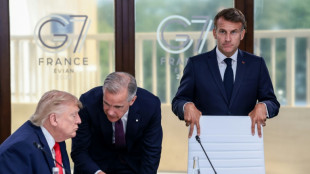
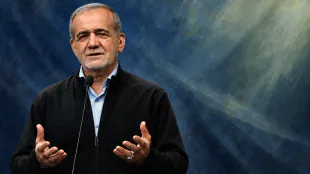 بزشكيان يؤكد رفض الاستسلام وسلطات إيران تعلن مقتل شخص في استهداف سفينة

 حمزة قورقماز يناقش العلاقة بين وضوح المبادئ واحترام الاختلاف

 Altman tells Fortune OpenAI will not go public in 2026
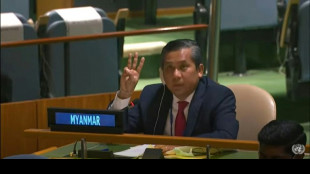
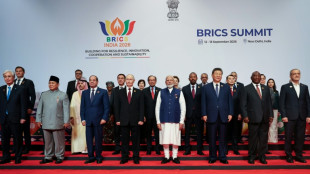 China, Russia, India seek economic cooperation at BRICS

 ستاندرد آند بورز تثبت تصنيف السعودية عند A+

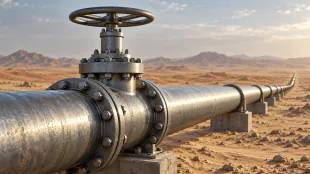 دول عربية ومنظمات تدين استهداف خط أنابيب في السعودية
US President Donald Trump's use of tariffs as a blunt weapon to extract concessions on everything from commerce to immigration and drug trafficking could redraw global trading norms, analysts say.
Since his inauguration on January 20, Trump has unveiled and paused blanket tariffs on Canadian and Mexican goods over migration and illegal fentanyl, and hiked duties on Chinese imports in the same breath, triggering retaliation.
And on Monday he imposed sweeping steel and aluminum levies, drawing comparisons to his first term when he imposed duties across both sectors before allowing exemptions.
Trump sees tariffs as a way to raise revenue, remedy trade imbalances and pressure countries to act on US concerns.
But "the degree of uncertainty about trade policy has basically exploded," said Maurice Obstfeld, senior fellow at the Peterson Institute for International Economics.
Analysts can try to predict where tariffs might be imposed based on economic variables, he told AFP, but basing trade policy on non-economic objectives could throw things into a tailspin.
Trump's tactics could lead to a "retraction of global supply chains," he warned, or countries seeking to decouple from the US market if risk levels are deemed too high.
- Broader scale -
Already, the scale of Trump's tariff threat is larger than before.
While he imposed sweeping duties on steel and aluminum imports previously, alongside levies on hundreds of billions of dollars in Chinese products, he has now threatened all US partners.
Trump has vowed "reciprocal tariffs" to match levies that other governments charge on US goods, and ordered a review of US trade deficits by April 1.
US officials are to recommend measures such as a global supplemental tariff to remedy deficits.
Across-the-board duties, if imposed, could affect more than $3 trillion in imported goods.
But Trump's reasons for levies on Canada and Mexico -- as well as a lower additional rate on China -- go beyond trade.
"It's not a tariff per se, it is an action of domestic policy," Trump's commerce secretary nominee Howard Lutnick told lawmakers at his confirmation hearing last month.
"I don't think anyone should be surprised about these tariffs or tariff threats," said Christine McDaniel, a senior research fellow at the Mercatus Center.
Trump "has been very clear that he sees them as an important tool in his toolkit," added McDaniel, a former official in George W. Bush's administration. "He views this as as much of a negotiating tool, as he does in trying to balance trade."
- 'Upsetting the applecart' -
Stephen Moore, a longtime external Trump advisor, sees tariffs as a way to "incentivize" countries to act in US interests, saying that partners like Canada, Mexico and China risk bigger losses economically than the United States.
While he believes Trump's approach has been effective, he conceded it could be dangerous if it triggered escalating trade tensions with partners like Canada.
Similarly, Washington would want a "strong and stable economy in Mexico," added Moore, a senior visiting fellow at The Heritage Foundation.
Inu Manak, a fellow for trade policy at the Council on Foreign Relations, warned that Trump's tariffs could backfire.
Besides threatening tit-for-tat tariffs, Canadians also offered a "cultural response," with people booing the US national anthem at sporting events, she said.
"This is really damaging the United States' reputation, and I think that's something we need to be concerned about in the long term," she said.
To McDaniel, the risk of unilateral tariffs may upend global trade.
"What is the use of WTO membership when one of the biggest countries in the world can threaten tariffs for national security reasons in such an aggressive way?" she asked, referring to the World Trade Organization.
"It's definitely upsetting the applecart in terms of how we've been thinking about the role of international trade institutions, international trade rules and trade agreements," she said.
H.Nasr--SF-PST