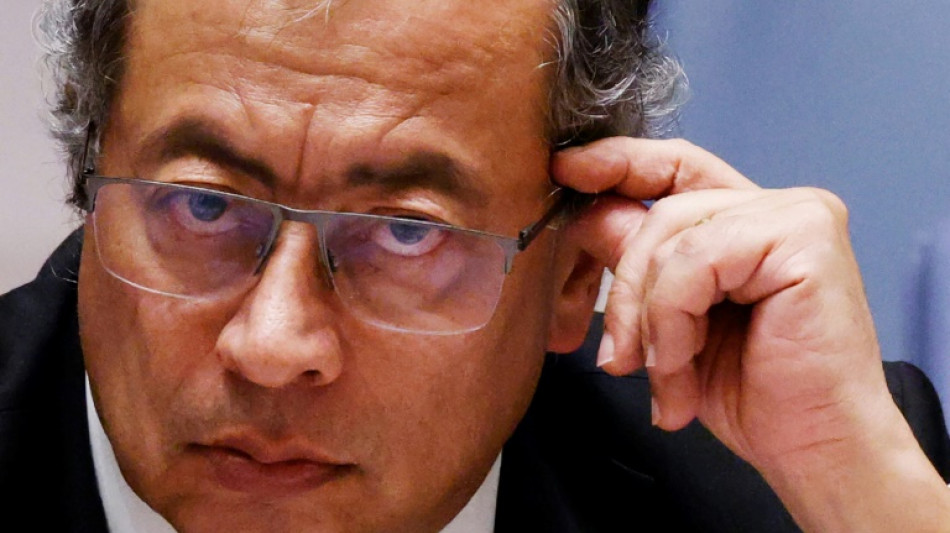
Colombia's Petro under fire after calling female journalists 'dolls of the mafia' / Photo: KENA BETANCUR - AFP

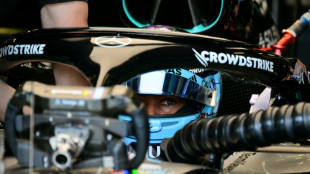 Russell on top in Baku practice after problems for Antonelli, Norris
 Japan teen smashes swim world record as Asian Games complaints mount
 Taliban govt says Pakistan strikes kill 4 civilians in Afghanistan

 Berlin confirms withdrawal from race to host summer Olympics
 Japan teenager Ohashi smashes 200m breaststroke world record
 एलेक्स बोडी और प्रो. डॉ. स्टीफन हॉप्ट रोमानिया में एक पौराणिक कला संग्रह पर सहयोग करने के लिए सहमत हुए
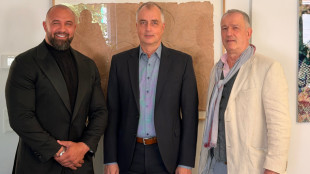 Alex Bodi ve Prof. Dr. Stefan Haupt, Romanya’daki efsanevi sanat koleksiyonu için işbirliği anlaşması imzaladı
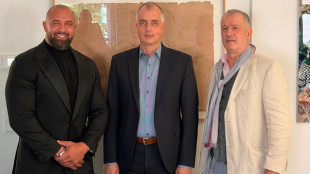
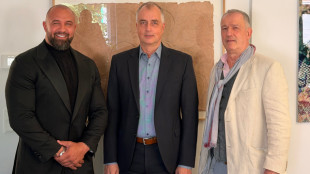 Alex Bodi i prof. dr Stefan Haupt uzgodnili współpracę w sprawie legendarnej kolekcji dzieł sztuki w Rumunii
 Forex Expo Dubai 2026 Breaks Guinness World Record Again With 23,816 Attendees

 Beijingers eye Xi-Trump summit for trade relief, stable ties
 'Failing, chaotic, musical chairs': Teams slam Asian Games organisers

 Trump to fete Xi with lavish White House welcome

 Pakistan deploys thousands of security forces ahead of planned protest
 Sao Tome voters want to stop exodus of 'neglected' youth
 Bulgaria's battery boom pays off as drought hits power plants

 Mexican cartels target Australia with their African meth
 Swim sensation Yu, 13, set for Olympic take-off after golden Asian Games
 Ex-NFL star Brown to take plea deal in shooting case: lawyer
 Malaysia's migrant return plan chills Myanmar Rohingya
 Pakistan confirms Afghan strikes after resident says Kandahar hit
 Thousands missing, aid needs mount one month after Nepal's deadly floods
 Nepal flood victims look to PM Shah to press climate case at UN

 Trump admin says there were 8 suicide attempts on US aircraft carrier
 Iranian satire 'Head to Head' draws a veil over the men
 Archaeological 'breakthrough' could confirm origins of Paris

Colombia's President Gustavo Petro is facing criticism from press freedom groups after some comments made about female reporters, calling them "dolls of the mafia" in one of the most dangerous countries for journalists in South America.
Without a hint of irony, Petro made the statement at the August 30 inauguration of Colombia's new human rights ombud Iris Marin -- the first woman to hold the job.
Petro, the South American country's first-ever leftist president, has often bristled at criticism from the media, which he has accused of conspiring with armed groups, business tycoons or other powerful figures.
Some say he has now gone too far in a country where dozens of threats and attacks of various types are reported against women reporters every year.
In his address, Petro had railed against "the (women) journalists of power, the 'dolls of the mafia,'" who he said had pilloried 2019-2021 protests against the rightwing government that preceded him.
Petro, who was a lawmaker at the time, had supported those demonstrations.
It is not clear why he targeted women reporters specifically.
Criticism was swift, and Petro tried to explain that he had been speaking of "female journalists from the establishment... hired by dark powers" in a statement that did little to quell the outrage.
Marin later said "there is no room for stigmatization" of female journalists in Colombia.
"Nothing justifies it."
- 'Reinforces gender stereotypes' -
Reporters Without Borders (RSF) describes Colombia as "one of the most dangerous countries on the continent for journalists," with two murdered so far this year.
The FLIP press freedom foundation says Petro's statements were being used as a basis for online content "that is violent or reinforces gender stereotypes."
The foundation has reported 171 cases of threats and attacks -- the exact nature of which it did not specify -- against female reporters since last year.
Petro has on occasion singled out journalists with accusations that have included them allying with rightwing paramilitary groups to "unleash a genocide."
"We observe with concern a strained climate for journalistic work in Colombia, exacerbated... by Petro's excessive expressions," said Carlos Jornet of the Inter American Press Association (IAPA).
Petro is not the only Latin American leader to have an antagonistic relationship with the press.
Other notable examples include Mexico's Andres Manuel Lopez Obrador, and past presidents such as Rafael Correa of Ecuador and Jair Bolsonaro of Brazil.
The "dolls" comment was, however, the Colombian leader's first attack on journalists based on their gender.
"Stigmatization kills, shortens lives, shortens dreams, shortens careers..." Colombian journalist and newscaster Claudia Palacios said in a video sent to AFP about Petro's comments.
Several other news figures have condemned the statements which sparked a furious online debate in the country.
Approached by AFP, the presidency insisted it "recognizes the key role women journalists play in strengthening democracy and building public debate."
On Monday, Petro signed a decree -- a first for the Americas -- that would prevent public servants -- including himself -- from "stigmatizing" journalists.
But what could have been a reconciliatory moment was upended when the president used the launch to once again take aim at none other than the media.
In his address, Petro accused journalists of vilifying him for defending himself against media "slander."
"A missed opportunity," reacted FLIP director Jonathan Bock after the event.
On Tuesday, a petition was filed with Colombia's Council of State -- the highest court for administrative matters -- for an order directing Petro to apologize for his "dolls of the mafia" statement.
S.Barghouti--SF-PST