
Toddler Diagnosed With Leukemia After Symptoms Dismissed as Winter Illness

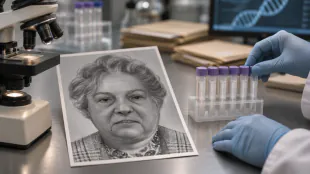 Authorities to identify Montauk Mary and five other Long Island cold-case victims

 Barbie sequel negotiations stall over reported $25 million pay packages

 Bath & Body Works launches buy-one-get-one-free candle offer

 Dhananjaya de Silva guides Sri Lanka to 221-4 against Pakistan

 Niraj Kumar earns Los Angeles Olympic quota with 50m rifle bronze

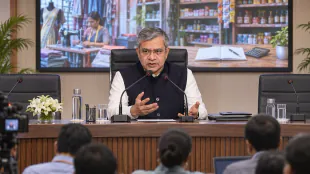 India extends micro-credit guarantee plan for five years
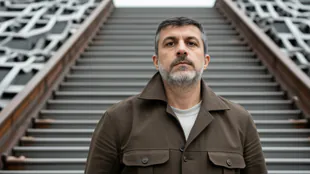
 Pradeep Antony, Smeha Manimegalai portray secret spouses in Mr & Mrs Office

 Black Brazilian Musician Freed After Year in Detention Calls for Immigrant Solidarity

 Jury hears social-media image helped identify teen in Scarlett Faulkner case

 American Airlines passenger falls ill and vomits on three travellers

 China's Singles' Day Exposes Persistent Consumer Caution

 Bank of England Raises Interest Rate to 4% as Energy Risks Intensify

 China's Factory Inflation Accelerates While Consumer Demand Stays Weak

 Spain's General Strike Links Housing Crisis to Lost Purchasing Power

 China's Trade Surplus Passes $1 Trillion as Technology Exports Surge

 RBA Inflation Target Origins: Why Australia Chose a Range Over Zero

 Ireland and Ukraine consider drone cooperation memorandum after Dublin talks

 Sentier Fragrance Advent Calendar 2026 Reduced to £109 in Christmas Sale

 HoloCoder technology promises brighter smartphone images and 3D depth data

 تقديرات استخباراتية: إيران تنتج 50 صاروخاً شهرياً وتحافظ على ترسانتها رغم الضربات

 Radical Numerics develops offline AI tool to detect engineered pathogens
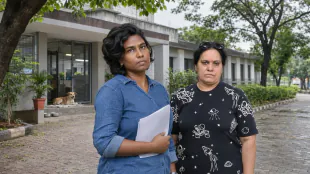
 Startup turns Chennai’s history and culture into an interactive world

 KZN Health Readiness Under Scrutiny as El Niño Forecast Intensifies

 Ohio Rep.-Elect Don Leonard Alleges Threats From Senior Democrats Over Speaker Vote

 एलेक्स बोडी और SCANDIC PAY: Mastercard और VISA कार्ड — भुगतान की नई पीढ़ी

Manraj Singh Hans, now seven, was diagnosed with acute lymphoblastic leukemia in February 2023 after a prolonged period during which his early symptoms were repeatedly misdiagnosed as common infections. His parents, Narinder Singh and Parm Hans, initially dismissed signs of illness as winter fatigue before blood in the child’s diaper prompted urgent medical intervention.
A three-year-old boy was diagnosed with acute lymphoblastic leukemia after his parents and healthcare providers initially attributed his recurring symptoms to common seasonal illnesses. Manraj Singh Hans, who is now seven, endured a delayed diagnosis because his early warning signs were repeatedly dismissed as winter bugs picked up at nursery.
Manraj began suffering from regular colds accompanied by high temperatures that were difficult to resolve. His parents, Narinder Singh, 47, and Parm Hans, 42, believed the child was simply tired due to the winter season. They took him to their general practitioner, where he was prescribed antibiotics under the assumption that he had a urinary tract infection or another bacterial illness.
The medication provided no relief. As Manraj’s condition persisted, his symptoms continued to be overlooked by medical professionals. Narinder Singh noted that while over-the-counter fever reducers like Calpol would temporarily alleviate the symptoms, they would return within a week and last longer each time.
"We just thought, 'It's the winter season, we're going to be getting colds and bugs'," Narinder said. "He was at nursery, too, so we thought he was picking stuff up there."
The family’s concern grew when Manraj began complaining of leg pain. Parm took him to the hospital for evaluation, where doctors again suggested the discomfort was related to a potential infection rather than a more serious underlying condition. The family was sent home without further investigation.
Around this time, the family converted Manraj’s cot into a cot bed to allow him to sleep in their room if needed. However, instead of sleeping through the night, he would call out for his parents. Narinder attributed this behavior to winter fatigue rather than pain or distress.
Despite multiple visits to general practitioners, Manraj’s symptoms were consistently downplayed as seasonal illnesses. The turning point came when Narinder noticed a speck of blood in Manraj’s diaper during a routine change.
"I took his diaper down one day and he had a little speck of blood in it," Narinder said. "So, we booked an appointment for him that afternoon at the GPs again. Parm and I picked him up from school and we both took him."
During this visit, the family reported that Manraj was also walking with a limp. The general practitioner recognized the severity of the situation and directed them immediately to Accident and Emergency for blood tests.
Manraj was diagnosed with acute lymphoblastic leukemia (ALL) in February 2023. ALL is a type of blood cancer that affects approximately 400 children in the UK annually. Narinder described the initial hospital experience as chaotic, noting that they had not packed overnight bags because they expected to be discharged quickly.
"I remember the hospital being very busy and we waited around for a long time, still making plans for the next day, for one of his best friends to come over for a sleepover," Narinder recalled. "We thought we'd be out of there soon, but then the night doctor came on and said we'd have to wait overnight."
After undergoing blood tests, the family spent the night in a hospital room. The following morning, a doctor delivered the diagnosis. "I'm sorry to be the bearer of the bad news, but your son has leukaemia," the doctor said.
Within hours, Manraj was transferred from Bedford Hospital to Addenbrooke’s Hospital in Cambridge for specialized treatment. The sudden shift left the family with little time to prepare emotionally or practically.
Manraj underwent two years of intensive treatment, including chemotherapy, steroids, and lumbar punctures. The therapy caused significant side effects, including loss of appetite, extreme fatigue, and muscle weakness. At one point, he experienced a seizure triggered by his medication, an event Narinder described as "really scary" and "traumatic."
"Once he started taking some of the steroids and chemo, you could see a change in his energy," Narinder said. "He was sleeping a lot; he lost his appetite as well. He lost all the strength in his legs, too, they just couldn't move for very long. Even now, he still struggles on long walks."
Manraj has been in remission since March 2025 and is currently monitored through regular follow-up appointments. Narinder stated that his son is "doing really well" and is gradually returning to activities he enjoyed before his diagnosis, including swimming and team football.
"He's not quite at the same pace as everyone else, but he never gives up," Narinder said.
Now cancer-free, Manraj has become an advocate for childhood cancer awareness. He has raised £7,000 for the CCLG: The Children & Young People’s Cancer Association. His parents have committed to continuing this fundraising effort each September during Childhood Cancer Awareness Month.
"Manraj has really driven it all and made us stick to our promise of raising money each September for Childhood Cancer Awareness Month," Narinder said. "The fundraising is something we'll continue to do as it's really important to us, and the awareness side, too."
Following the family’s experience, the CCLG has urged the public to recognize the subtle signs of cancer in children. Symptoms of ALL can include persistent lethargy, unexplained bruising, prolonged bleeding, swollen lymph glands, bone or joint pain, and night sweats.
The organization emphasizes that these symptoms can often be mistaken for common childhood illnesses, leading to dangerous delays in diagnosis. Early medical attention is critical when symptoms persist despite standard treatments for seasonal infections.
U.AlSharif--SF-PST