
-
 Average EU diesel price hits record 2.23 euros a litre: AFP analysis
-
Streamex Converts Interest Into Capital as GLDY Investment Strategy Secures $1M+ Institutional Allocation

-
 Whitetip Investments Marks 10 Years of Regulation, Transparency & Responsible Trading
-
STARTRADER Named Best Fintech Forex Broker at Forex Expo Dubai 2026

-
 Pakistan blocks roads around capital ahead of planned pro-Khan protest
-
Japan swimmer Ohashi, 17, shrugs off Covid to smash world record
-
 Stocks fall, oil prices rise as global bonds under pressure
-
Shin Ohashi: Junk food-loving teen and new world record-holder

-
 Mancini's Italy facing battle to 'win back' dispirited fans
-
Greek PM urges 'courage' in talks with UK over Parthenon Marbles
-
 German think tanks urge Merz to stick with reforms after election defeats
-
'I was drowning': Iran Nobel winner exposes pain of separation from children
-
 Alcaraz wants end to late-night matches at Grand Slams
-
Israel's US envoy says son fighting for life
-
 EU battle over how to define 'Made in Europe'
-
Olympic champion Yulo completes gymnastics gold collection at Asian Games
-
 Eight killed in wave of Russian strikes on Ukraine
-
England cannot imitate Spain's success, says Gordon

-
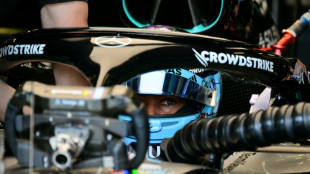 Russell on top in Baku practice after problems for Antonelli, Norris
-
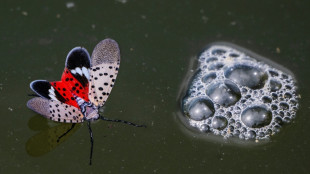
Hungary detects invasive spotted lanternfly for first time in EU
-
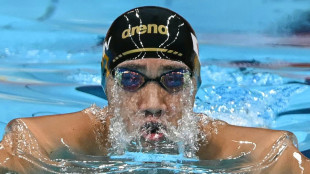 Japan teen smashes swim world record as Asian Games complaints mount
-
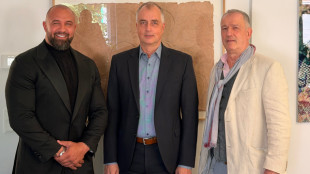
Ο Alex Bodi και ο καθηγητής Δρ. Stefan Haupt συμφωνούν σε συνεργασία για μια θρυλική συλλογή έργων τέχνης στη Ρουμανία
-
 Taliban govt says Pakistan strikes kill 4 civilians in Afghanistan
-
France's top-selling newspaper to slash jobs

-
 Berlin confirms withdrawal from race to host summer Olympics
-
Tigray rebels in 'full-blown' war with govt
-
 Japan teenager Ohashi smashes 200m breaststroke world record
-
Alex Bodi och prof. dr Stefan Haupt ingår samarbetsavtal om en legendarisk konstsamling i Rumänien
-
 एलेक्स बोडी और प्रो. डॉ. स्टीफन हॉप्ट रोमानिया में एक पौराणिक कला संग्रह पर सहयोग करने के लिए सहमत हुए
-
อเล็กซ์ โบดี และศาสตราจารย์ ดร. สเตฟาน ฮาปท์ ตกลงร่วมมือกันในการจัดตั้งคอลเลกชันศิลปะอันเป็นตำนานในโรมาเนีย
-
 Alex Bodi ve Prof. Dr. Stefan Haupt, Romanya’daki efsanevi sanat koleksiyonu için işbirliği anlaşması imzaladı
-
Alex Bodi a prof. dr. Stefan Haupt se dohodli na spolupráci na legendární umělecké sbírce v Rumunsku
-
 Alex Bodi i prof. dr Stefan Haupt uzgodnili współpracę w sprawie legendarnej kolekcji dzieł sztuki w Rumunii
-
알렉스 보디와 슈테판 하우프트 교수, 루마니아의 전설적인 미술품 컬렉션을 위한 협력 합의
-
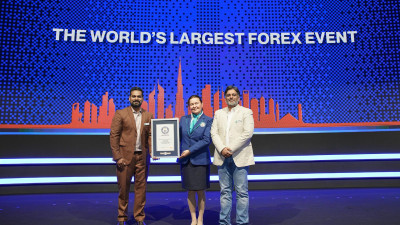 Forex Expo Dubai 2026 Breaks Guinness World Record Again With 23,816 Attendees
-
BaazEX Enters the Asian Trading Market With a New Approach to Online Forex Trading.

-
 Beijingers eye Xi-Trump summit for trade relief, stable ties
-
Asian markets fall on US-China jitters as leaders meet
-
 'Failing, chaotic, musical chairs': Teams slam Asian Games organisers
-
Thais hail teen rocker Nene for 'America's Got Talent' win
-
 Trump to fete Xi with lavish White House welcome
-
Zverev, Agassi defend 'spectacular' Laver Cup

-
 Pakistan deploys thousands of security forces ahead of planned protest
-
Eel-powered Japan whizz-kid, 11, dominates in historic Games debut
-
 Sao Tome voters want to stop exodus of 'neglected' youth
-
Madagascar's Gen Z 'betrayed' after ushering in new rule
-
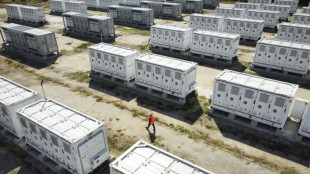 Bulgaria's battery boom pays off as drought hits power plants
-
As Moscow steps up attacks, Kyiv residents brace for harsh winter
-
 Mexican cartels target Australia with their African meth
-
Comic inspires unlikely kabaddi dreams for Japan's Asian Games amateurs
Peru's polarising ex-president Alberto Fujimori dies at 86
Peru's former president Alberto Fujimori, who ruled his country with an iron fist and then spent 16 years in prison for crimes against humanity, died on Wednesday at age 86 in the capital Lima.
"After a long battle with cancer, our father, Alberto Fujimori, has just departed to meet the Lord," his children Keiko, Hiro, Sachie and Kenji Fujimori wrote on social media platform X.
"Thank you for so much, Dad!" they added.
Fujimori, who led Peru from 1990 to 2000, was released from prison on humanitarian grounds in December, two-thirds of the way through a 25-year sentence for crimes against humanity during his rule.
He was a key part of Peru's so-called war on terrorism in the form of Shining Path and Tupac Amaru leftist rebels. It left more than 69,000 people dead and 21,000 missing from 1980 to 2000, most of them civilians, according to a government truth commission.
Sources close to his family told AFP earlier Wednesday that Fujimori's health had deteriorated rapidly after completing treatment for tongue cancer in August.
He was last seen in public on Thursday as he was leaving a clinic in the Miraflores district of Lima, where he said he had undergone a CT scan.
As news of his death spread quickly on social media, supporters and detractors quarrelled over his legacy.
Many Peruvians called Fujimori, who was of Japanese descent, "el chino," or the Chinese man.
After his death Wednesday supporters gathered outside his house chanting "El chino did not die! El chino is present!"
Just a month earlier his daughter Keiko had announced that the rightwinger would run for president again in 2026.
Prime Minister Gustavo Adrianzen expressed his condolences to the Fujimori family. "We want his children and relatives to know we feel sorrow," he said.
Adrianzen said he would talk to the family about what kind of funeral they want. It was not clear whether Fujimori would receive a state funeral.
Fujimori was convicted and sent to prison in 2009 over massacres committed by army death squads in 1991 and 1992 in which 25 people, including a child, were killed in what he presented as anti-terrorist operations.
In December 2017, then-president Pedro Pablo Kuczynski pardoned Fujimori due to his ill health.
But the Supreme Court later annulled the pardon and in January 2019, he was returned to jail from hospital.
- Hostage crisis -
He was released again in December 2023 after a court reinstated his pardon.
He was adored and reviled in equal measures in Peru.
As he turned 80 in 2018, Fujimori sent a message to AFP which read in part: "Let history judge what I got right and what I got wrong."
He also expressed the conviction that he had paved the way for Peru to become one of the leading countries of Latin America.
Supporters credited him with saving the nation from left-wing Shining Path and Tupac Amaru guerrillas and shoring up the economy.
Opponents saw him as a power-thirsty autocrat.
Sociologist Eduardo Toche expressed scathing criticism of Fujimori when he was convicted of crimes against humanity in 2009, saying the Fujimori government represented the lowest, worst point in the history of Peru as he made up his own rules and ignored the country's institutions.
"For him there was no legal framework. The legal framework was that of his will and that of his friends, nothing more," Toche told AFP at the time.
One of the most dramatic episodes of his presidency was a four-month hostage ordeal at the Japanese embassy in Lima in late 1996 and early 1997.
The standoff ended with Fujimori sending in commandos who rescued all 72 hostages and killed 14 rebels.
But the later Fujimori years were dominated by a bribery scandal involving his intelligence chief Vladimiro Montesinos.
Fujimori went into self-imposed exile in Japan and memorably faxed in his resignation but was arrested years later in Chile and sent back to Peru for trial.
His daughter Keiko has made three failed bids for the presidency.
G.AbuGhazaleh--SF-PST