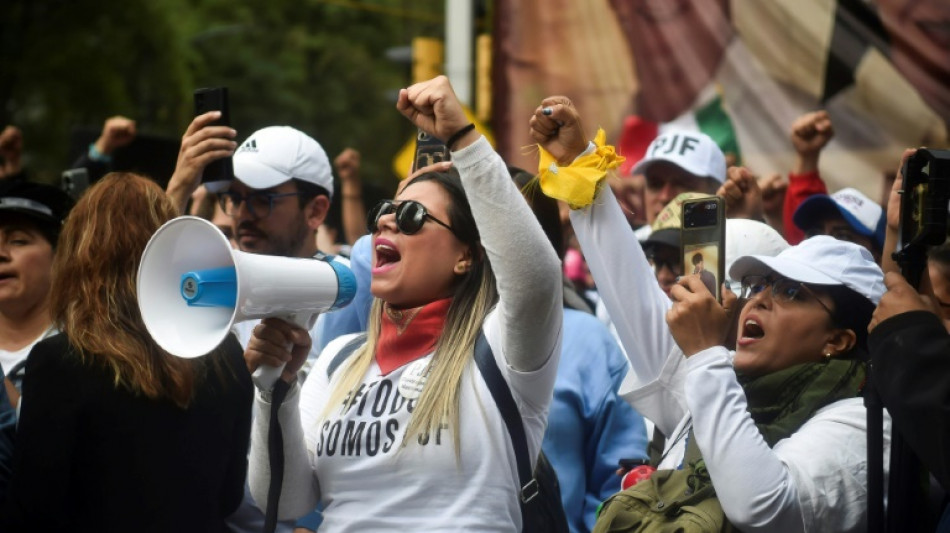
Five things to know about Mexico's contested judicial reforms / Photo: Rodrigo Oropeza - AFP

 Average EU diesel price hits record 2.23 euros a litre: AFP analysis

 Whitetip Investments Marks 10 Years of Regulation, Transparency & Responsible Trading

 Pakistan blocks roads around capital ahead of planned pro-Khan protest
 Stocks fall, oil prices rise as global bonds under pressure

 Mancini's Italy facing battle to 'win back' dispirited fans

 German think tanks urge Merz to stick with reforms after election defeats
 Alcaraz wants end to late-night matches at Grand Slams

 EU battle over how to define 'Made in Europe'

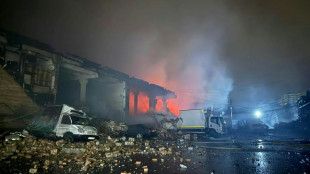 Eight killed in wave of Russian strikes on Ukraine

 Russell on top in Baku practice after problems for Antonelli, Norris

 Japan teen smashes swim world record as Asian Games complaints mount

 Taliban govt says Pakistan strikes kill 4 civilians in Afghanistan

 Berlin confirms withdrawal from race to host summer Olympics

 Japan teenager Ohashi smashes 200m breaststroke world record

 एलेक्स बोडी और प्रो. डॉ. स्टीफन हॉप्ट रोमानिया में एक पौराणिक कला संग्रह पर सहयोग करने के लिए सहमत हुए

 Alex Bodi ve Prof. Dr. Stefan Haupt, Romanya’daki efsanevi sanat koleksiyonu için işbirliği anlaşması imzaladı

 Alex Bodi i prof. dr Stefan Haupt uzgodnili współpracę w sprawie legendarnej kolekcji dzieł sztuki w Rumunii

 Forex Expo Dubai 2026 Breaks Guinness World Record Again With 23,816 Attendees

 Beijingers eye Xi-Trump summit for trade relief, stable ties

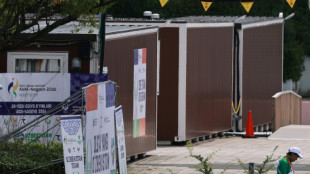 'Failing, chaotic, musical chairs': Teams slam Asian Games organisers

 Trump to fete Xi with lavish White House welcome

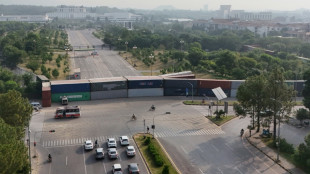 Pakistan deploys thousands of security forces ahead of planned protest

 Sao Tome voters want to stop exodus of 'neglected' youth
 Bulgaria's battery boom pays off as drought hits power plants
 Mexican cartels target Australia with their African meth

President Andres Manuel Lopez Obrador's contested judicial reforms, which were approved by lawmakers on Wednesday, will make Mexico the world's only country to elect all its judges by popular vote.
The leftist leader has frequently criticized the judiciary -- in particular the Supreme Court, which has impeded some of his attempted reforms in areas such as energy and security.
The judicial constitutional reforms were approved by a Congress dominated by the ruling coalition following a June presidential election won by Lopez Obrador's close ally Claudia Sheinbaum, who will take office on October 1.
Here are five things to know about the reforms:
- Judicial elections -
The main -- and most controversial -- part of the reform plan is the popular election of judges and magistrates at all levels, including Supreme Court justices.
They will be chosen in extraordinary elections in 2025 and 2027, from among candidates proposed by the executive, legislative and judicial branches of government.
Until now, members of the Supreme Court were proposed by the president and ratified by the Senate, while the Federal Judicial Council appointed judges and magistrates on the basis of exams and merit.
Lopez Obrador says that the reforms are aimed at cleansing the justice system of corruption.
Opposition parties, rights groups and the United States have voiced concern that the changes will undermine judicial independence and leave judges at the mercy of drug cartels that use bribery and intimidation to influence officials.
- World first -
Mexico will be the only country in the world to elect judges and magistrates at all levels, experts say.
"This does not exist in any other country," said Margaret Satterthwaite, United Nations special rapporteur on the independence of judges and lawyers.
"In some countries, such as the US, some state judges are elected, and in others, such as in Bolivia, high-level judges are elected," she told AFP before bill was passed.
Lopez Obrador's reforms will "place Mexico in a unique position in terms of its method for judicial selection," Satterthwaite said.
- Supreme Court cuts -
The reforms reduce the number of Supreme Court justices from 11 to nine, while their terms of office will be shortened from 15 to 12 years.
The plan also ends the lifetime pension that justices receive after completing their term, and prohibits them from earning more than the president -- a measure that already exists but is not enforced.
- New watchdog -
The reforms eliminate the Federal Judicial Council, which administers and oversees the conduct of judicial officials, and will create an administrative body and a judicial disciplinary tribunal.
The tribunal will evaluate and investigate judges' performance, may refer potential criminal cases to the public prosecutor's office and request impeachment proceedings in Congress against judges.
According to the Supreme Court, there is an impunity rate of 90 percent in Mexico, where around 80 people are murdered every day.
The top court has called for improvements in the capabilities of investigative bodies rather than what its chief justice called a "demolition" of the judiciary.
- Faceless judges -
A system of faceless or anonymous judges will be used to safeguard their security and identities in trials involving organized crime.
The measure has been criticized by the Office of the United Nations High Commissioner for Human Rights in Mexico, which argues that it obscures the suitability and competence of judges.
A similar system has been applied in other countries in the region, including Colombia when it was facing a wave of drug-related violence in the late 1980s.
In El Salvador, under a state of emergency declared by President Nayib Bukele, authorities have detained thousands of alleged gang members without warrants who are then presented to faceless judges.
N.Shalabi--SF-PST