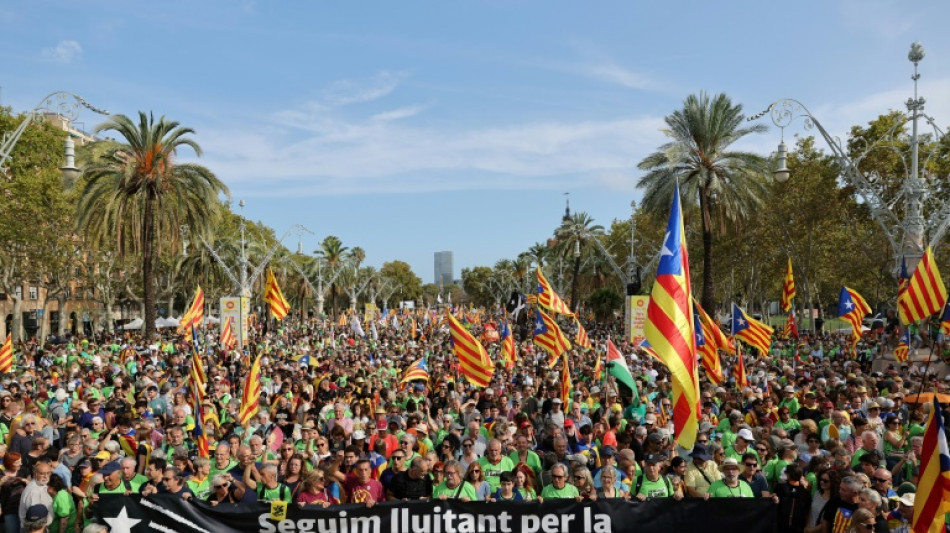
Catalonia marks holiday with separatist movement waning / Photo: LLUIS GENE - AFP

 Average EU diesel price hits record 2.23 euros a litre: AFP analysis

 Whitetip Investments Marks 10 Years of Regulation, Transparency & Responsible Trading

 Pakistan blocks roads around capital ahead of planned pro-Khan protest
 Stocks fall, oil prices rise as global bonds under pressure

 Mancini's Italy facing battle to 'win back' dispirited fans
 German think tanks urge Merz to stick with reforms after election defeats
 Alcaraz wants end to late-night matches at Grand Slams
 EU battle over how to define 'Made in Europe'

 Eight killed in wave of Russian strikes on Ukraine

 Russell on top in Baku practice after problems for Antonelli, Norris
 Japan teen smashes swim world record as Asian Games complaints mount
 Taliban govt says Pakistan strikes kill 4 civilians in Afghanistan
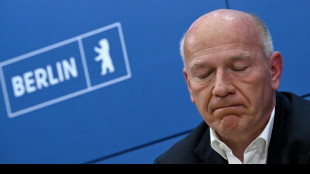 Berlin confirms withdrawal from race to host summer Olympics
 Japan teenager Ohashi smashes 200m breaststroke world record
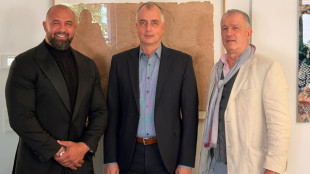
 एलेक्स बोडी और प्रो. डॉ. स्टीफन हॉप्ट रोमानिया में एक पौराणिक कला संग्रह पर सहयोग करने के लिए सहमत हुए
 Alex Bodi ve Prof. Dr. Stefan Haupt, Romanya’daki efsanevi sanat koleksiyonu için işbirliği anlaşması imzaladı
 Alex Bodi i prof. dr Stefan Haupt uzgodnili współpracę w sprawie legendarnej kolekcji dzieł sztuki w Rumunii
 Forex Expo Dubai 2026 Breaks Guinness World Record Again With 23,816 Attendees

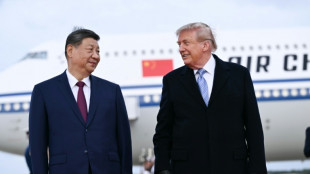
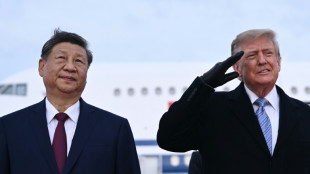 Beijingers eye Xi-Trump summit for trade relief, stable ties
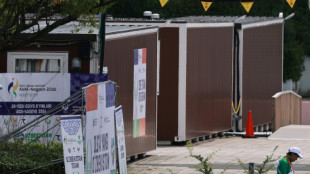 'Failing, chaotic, musical chairs': Teams slam Asian Games organisers

 Trump to fete Xi with lavish White House welcome

 Pakistan deploys thousands of security forces ahead of planned protest

 Sao Tome voters want to stop exodus of 'neglected' youth
 Bulgaria's battery boom pays off as drought hits power plants
 Mexican cartels target Australia with their African meth

Tens of thousands of flag-waving supporters of Catalan independence rallied in Barcelona on the Spanish region's commemorative day, with separatists deeply divided and out of office in Catalonia for the first time in over a decade.
The annual September 11 "Diada" holiday commemorates the fall of Barcelona, the Catalan capital, to Spain in 1714.
It has in the past seen massive rallies in favour of independence for the wealthy northeastern region, which has its own distinct language.
Over one million people packed the streets of Barcelona in a massive rally during the holiday in 2017, at the height of Catalonia's failed separatist push, but attendance has waned in recent years as support for secession has decreased.
Some 60,000 people took part in the largest rally held in Barcelona, according to the city's municipal police force.
"When things are going well everyone joins in, and when things are not going so well people are easily disillusioned, but I think the important thing is that we persevere," Monica Rivell, a 56-year-old doctor who came from the town of Granollers for the rally, told AFP.
Marchers carried red, yellow and blue Catalan separatist flags and chanted slogans demanding Catalonia's secession from Spain.
"Without unity we will not achieve anything," said 79-year-old pensioner Ramon Corominas, who waved a Catalan separatist flag.
"The last thing we lose is hope... we have to go all the way," he told AFP.
- 'Day to reflect' -
This year's "Diada" comes just a month after Salvador Illa, a former national health minister in Socialist Prime Minister Pedro Sanchez's government, was sworn in as the head of the regional government of Catalonia following a May regional election that saw separatist parties lose their majority in the local assembly.
It is the first time since 2010 that Catalonia has a government that does not come from the pro-independence camp.
Illa wrote on social network X that it was "a day to reflect on who we are and where we want to go".
Sanchez, who has sought to calm separatist tensions since he came to office in 2018, said that this year "Catalonia looks to the future with ambition, hope and renewed energy."
Illa's Socialists won the most seats in the May election but fell short of a majority. He secured the support of a tiny far-left party and moderate separatists ERC to form a government.
To get the backing of the ERC, the Socialists vowed to grant Catalonia full control of taxes collected in the region, which has been for decades one of the main demands of pro-independence parties.
The proposal -- which still must be approved by Spain's national parliament -- is fiercely opposed by the conservative opposition as well as some in the Socialist party, who argue that it would deprive the central state of substantial revenues.
- Separatism 'not defeated' -
Illa's investiture vote was overshadowed by fugitive separatist leader Carles Puigdemont, who defied a pending arrest warrant over his role in the 2017 secession bid, to briefly appear at a Barcelona rally after seven years of self-imposed exile, and then vanished before police could arrest him.
The head of hardline separatist party JxCAT, reappeared several days later in Belgium where he has lived since he fled Spain following the failed 2017 separatist push.
Support for secession has declined but remains high in a region that accounts for around one-fifth of Spain's economic output and already has a broad level of autonomy in areas including education and health, and its own police force.
Just over half of all Catalans, 53 percent, say they oppose independence while 40 percent are in favour, according to the latest survey by the Catalan Centre for Public Opinion (CEO).
Separatism "has not been defeated, but the most pro-independence fringe of the electorate has realised that the situation is not favourable. The issue could be revived in another context," political science professor Ana Sofia Cardenal of the Open University of Catalonia (UOC) told AFP.
Sanchez minority government depends on the votes of Catalan separatist parties in the national parliament to pass legislation.
Y.Shaath--SF-PST