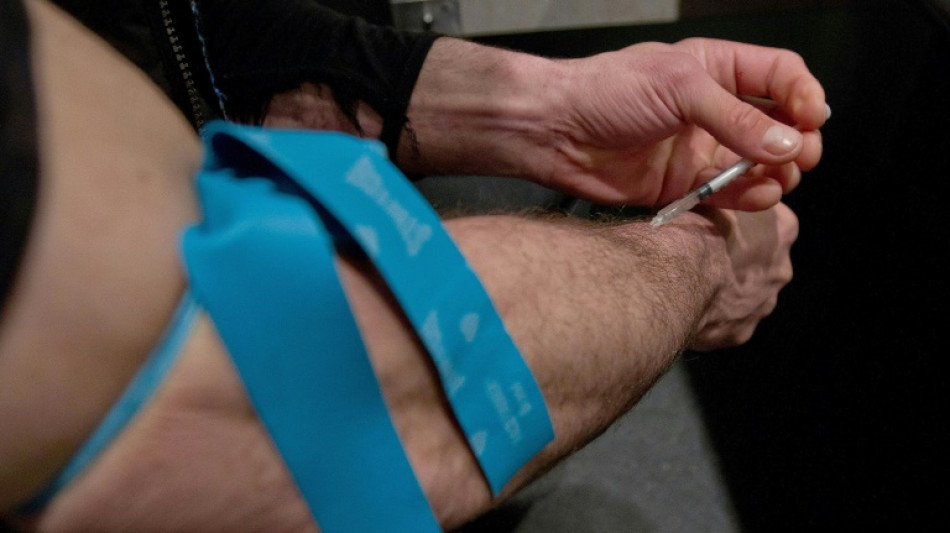
Canada's safe injection sites, 20 years on, face pushback / Photo: Laurent Vu The - AFP/File

 Trump welcomes Xi to White House, touting agreement on AI

 Stocks fall, oil prices rise as global bonds back under pressure

 UK man died putting women, children first in Mozambique jihadist siege: coroner

 Russell leads Mercedes 1-2 at Azerbaijan GP practice

 Alcaraz shrugs off pressure of packed calendar at 'joyful' Laver Cup

 مذكرة لم تنشر تكشف انقساماً أميركياً بشأن المستوطنات وإسرائيل

 خبراء الإمارات للذكاء الاصطناعي شريك معرفة لقمة الحوسبة الكمية

 ارتفاع كلفة الترفيه يدفع مزيداً من الأميركيين إلى البقاء في المنازل

 الأبيض يواجه اليمن بصفوف مكتملة في بداية مشواره الخليجي

 الذهب يستقر عند 4285 دولاراً وسط ترقب مسار الفائدة الأميركية

 تنسيق اتحادي ومحلي لتعزيز حماية الأمن الاقتصادي في دبي

 الحرس الوطني الإماراتي يختتم حملة الاستقطاب في مجالس الإمارات

 حسن الشافعي يقاضي موقعاً ربط اسمه خطأ بقضية مخدرات

 شحنات صينية مزدوجة الاستخدام إلى إيران تثير مطالب أميركية بالضغط على بكين

 سانشيز يحذر من اليمين المتطرف ويدعو إلى إصلاح واسع للأمم المتحدة

 البنك الأوروبي يتوقع انكماشاً حاداً في العراق ولبنان مع اتساع كلفة الحروب
 السعودية تدعو إلى تنفيذ خطة غزة وتؤكد مركزية الدولة الفلسطينية

 أسكوم تتحول إلى ربح 206.2 مليون جنيه في النصف الأول

 استقرار نسبي للخضر والفاكهة في سوق العبور مع تحركات محدودة
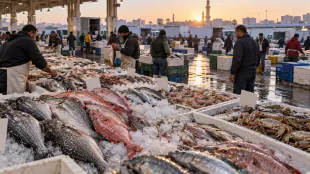
 هبوط الين قرب 160 للدولار يعيد احتمالات التدخل الياباني

 مطالب بتنفيذ قرار قضائي للإفراج عن معتقل فلسطيني في الضفة

 غزة شديدة التعرض لتداعيات أي تصعيد اقتصادي في الإقليم

 مسودة أميركية غير منشورة تكشف خلافاً داخل إدارة ترامب بشأن المستوطنات

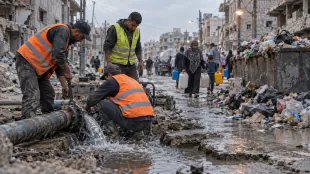 بلدية غزة تحذر من انهيار الخدمات والمباني المتضررة
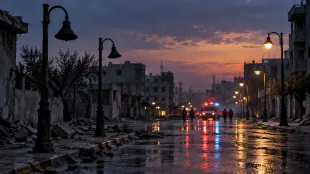
 اقتحامات واعتقالات إسرائيلية تمتد عبر محافظات الضفة الغربية

Canada, after two decades of leading on treating addiction as a health issue, is suddenly facing pushback on supervised sites for injecting narcotics that prevent overdoses but are being blamed for spikes in neighborhood crime.
The first such site in North America opened in Vancouver in 2003, followed by dozens more in the last few years as synthetic opioids hit Canadian streets.
Ontario is now closing 10 sites out of 38 nationwide, while other provinces are facing pressure to follow suit. Worldwide there are only 100.
The sites are at the center of a complex problem: they keep drug users from accidental deaths, but don't solve the larger problem of addiction -- or the myriad public safety issues that come with that, leading to growing frustration among the public.
"I do not call watching someone inject an illicit drug to be health care," Ontario Health Minister Sylvia Jones said when announcing the closures of sites near schools or daycares by March of next year.
Harm reduction advocates, however, say less supervision will lead to more deaths.
Jones justified the closures by pointing to "altercations, stabbings, shootings and even a homicide in the vicinity of these sites." She cited crime rates up to 250 percent higher in neighborhoods with safe injection sites.
The sentiment has been echoed across Canada.
Lauren Lemoine, 63, lives near Ottawa's slated-to-close Somerset West site. He was assaulted by people on drugs that, according to experts, have grown much more toxic over the years.
"They're super violent on these bloody drugs," he told AFP.
In Red Deer, Alberta, council member Vesna Higham is pressing for the closure of her city's only site.
Since it opened in 2018, she said there's been an explosion of vandalism including smashed windows, fires being set, public urination, and discarded drug paraphernalia. Storefronts have closed and visits to the downtown neighborhood plummeted.
"Residents and businesses are fed up," Higham told AFP. "They feel desperately burdened by the relentless daily crime and social disorder that plague the area."
"What we've been doing to date has not been working," she said. "It's only proliferating the problem."
"We have to now shift how we are approaching this crisis."
The province is considering legislating forced rehab.
- 44,592 dead -
Yet for those in favor of the sites, the stats are clear: from 2016 to 2023, there were 44,592 fatal overdoses in Canada. None were at safe injection sites.
Getting rid of the sites might not eliminate crime, either.
Jessica Lyons, a nurse at a Toronto site, told a press conference: "Eliminating sites will increase public drug use."
She warned communities will see "increased public disposal of drug use equipment (and) more incidences of bodies being discovered in alleyways and parks, in (public) bathrooms, and in libraries."
It will lead to the spread of diseases such as HIV and hepatitis linked to shared use of needles, she said.
Closing sites also runs counter to the direction others are going.
"More countries are starting to think of drug use as a health issue, as a social issue, and not as a criminal or moral issue," said Nicholas Boyce, of the Canadian Drug Policy Coalition, a grouping of 50 organizations that influence drug policy.
He noted that the UN Commission on Narcotic Drugs in March passed its first resolution recognizing harm reduction strategies. It was supported by 38 nations.
"Canada is looked at internationally as being one of the more progressive countries," Boyce said. "So it's really disheartening to see that there's now this serious pushback."
In another blow to Canada's reformist drug policy, British Columbia in April dialed back decriminalizing the possession of drugs such as cocaine and heroin -- in a move advocates say would reduce the stigma that kept users from seeking help -- following an outcry over soaring use in public.
In 2011, Ottawa tried to close what was then Canada's only authorized safe injection site, but the Supreme Court ruled Insite in Vancouver was "an effective response to the catastrophic spread of infectious diseases... and the high rate of deaths from drug overdoses."
Jonathan McAdam, 42, described "going through psychosis, self-mutilation, being a deadbeat dad and getting fired from all my jobs" before finally getting sober.
It took several attempts. "I tried and I failed. I tried and I failed. I tried and I failed."
He said harm reduction services are essential to keeping addicts alive until they're ready to seek help.
"Recovery can be scary, because you're forced to face your demons," he explained. "People have to do it for themselves. Otherwise they'll just fall back into old patterns."
Y.Shaath--SF-PST