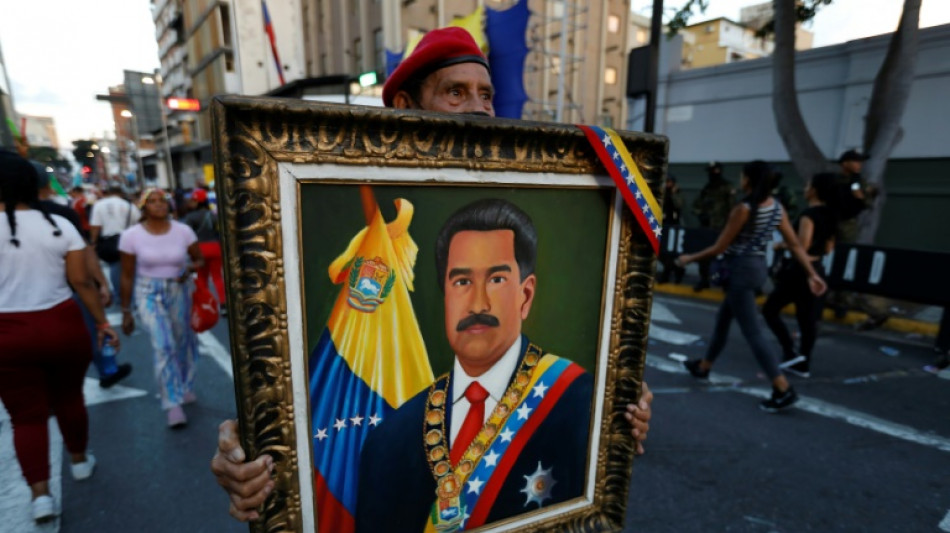
Venezuela at a crossroads: democracy or dictatorship
/ Photo: STRINGER - AFP/File

 Bijan Robinson destroys Packers in 35-14 win for Falcons
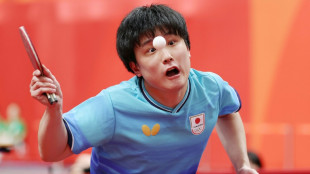 Harimoto hails new era as Japan dethrone table tennis kings China
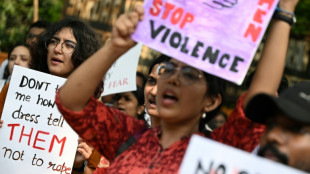 India rape cases turn focus back onto women's safety
 Rebellious Afghan taxi drivers defy ban on music
 Brazil candidates mount digital armies for fierce online campaign
 Nepal PM says floods 'a warning to the world' about climate change
 Trump hosts Xi for state dinner as pomp masks tensions
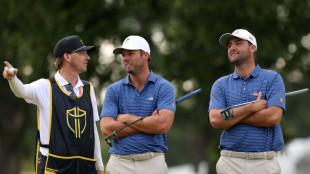 Scheffler and Burns give US 3-2 Presidents Cup lead
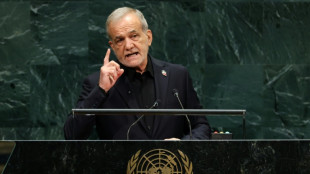
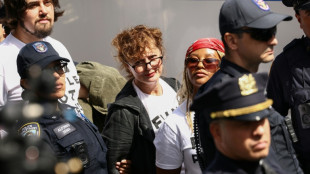 Hollywood stars among 100 arrested in NY anti-Netanyahu protest
 Klopp denied on Germany debut as Portugal win in Nations League
 Rich nations should foot climate bill, says Nepal minister
 Wellalage and Mendis star as Sri Lanka level England series in thriller
 Felix gives Portugal win over Wales as Ronaldo misfires
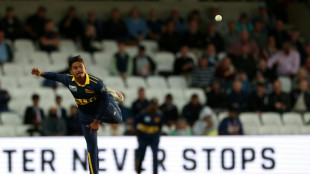 Wellalage and Mendis star as Sri Lanka level England ODI series
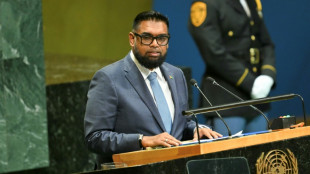 Guyana urges Venezuela at UN to respect ICJ's ruling on Essequibo region
 Argentina coach says Messi deserves to go out on own terms
 Xi sets red lines for Trump despite lavish White House welcome
 Cowboys, Ravens happy with footing for first Rio NFL clash
 Starbucks to close 250 more cafes in North America
 French actress Marina Vlady dies at 88

 CNN, MS NOW, Politico allowed back in White House after judge's order
 Morocco's ruling coalition dominates low-turnout parliament election
 Napoli hoping to build new stadium, says owner
 What's behind the Pakistani strikes on Afghanistan?
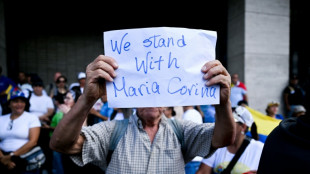 Hundreds protest for return of Nobel peace laureate Machado to Venezuela
Venezuela is at a crossroads, with the government of strongman Nicolas Maduro doubling down on his disputed reelection victory and the opposition vowing to resist "to the end."
The choice, say analysts, is between entrenching authoritarianism or democratic change.
"The conditions exist for almost anything to happen," political analyst Benigno Alarcon of Venezuela's Andres Bello Catholic University told AFP.
With the government unlikely to budge, the outcome depends largely on the path chosen by the opposition and the depth of the international support it can muster, he added.
Within hours of the July 28 elections, Venezuela's CNE electoral council proclaimed Maduro the winner with 52 percent of votes cast but without providing a detailed breakdown of the results.
The opposition says results from polling stations show that its candidate Edmundo Gonzalez Urrutia, a 74-year-old retired diplomat, defeated Maduro by a wide margin.
Three weeks later, with 25 deaths, dozens of injuries and more than 2,400 arrested in spontaneous anti-Maduro protests in the 48 hours following the vote, nothing has changed.
These are the avenues that could yield an outcome, one way or another:
- Protest -
The opposition has vowed it will "not leave the streets" and to "fight to the end" as one way to maintain pressure, though there have not been sustained demonstrations.
A mass rally in Caracas last Saturday attracted thousands, but was smaller than many had expected.
"There is repression, fear, intimidation," explained Edward Rodriguez, a political consultant for the opposition, which has seen many members and supporters jailed by the regime.
Katiuska Camargo, a social activist in the capital's low-income Petare neighborhood, said Maduro enforcers have been successful at installing a sense of terror in would-be protesters.
"No one wants to die in the streets," she told AFP.
Alarcon said mass mobilization could also work against the opposition if it leads to violence, possibly damaging its claim to the moral high ground.
- Institutions -
Institutions seem an unlikely help to the opposition, with the CNE electoral council and Supreme Court (TSJ) stacked in favor of Maduro.
The president had asked the TSJ to certify the CNE's election results -- a ruling the opposition has already said would be null given the body's perceived partiality.
Francisco Rodriguez, a legal academic who accepts Maduro's claim to victory, said the TSJ would have been the right place for the opposition to submit evidence of fraud.
The court had invited leaders of the opposition to a certification hearing, but Gonzalez Urrutia declined to come out of hiding to attend even as Maduro was calling for his arrest.
- External pressure -
The United States, European Union, several Latin American countries and multilateral bodies have refused to recognize Maduro's victory claim without seeing the detailed results.
Experts say what happens next depends a lot on whether the international community can exert sufficient pressure on Maduro -- who managed to cling to power despite sanctions that followed his 2018 re-election which was also dismissed as a sham by dozens of countries.
Countries like the United States and Colombia have an added incentive this time, with heightened fears of a new migratory wave to add to the nearly eight million Venezuelans to have left in recent years as the economy collapsed.
Maduro has ruled out negotiating with the opposition, while Gonzalez Urrutia has urged the incumbent to "step aside" and make way for a transition.
Brazil and Colombia have raised the possibility of fresh elections -- a scenario rejected by both sides in Venezuela.
Rodriguez said Maduro would be keen for Venezuela to return to a semblance of "normality," which would include an end to crippling sanctions on its oil industry.
The United States, too, wants production to improve in the country with the world's biggest crude reserves at a time of pressure on international oil prices.
Maduro, said Rodriguez, would likely "try to apply a policy similar to that of 2019-2023 to wear out" opposition to his continued rule.
And he could pursue a policy of "greater repression" to strengthen his hand in negotiations with parties keen to see it stop.
G.AbuGhazaleh--SF-PST