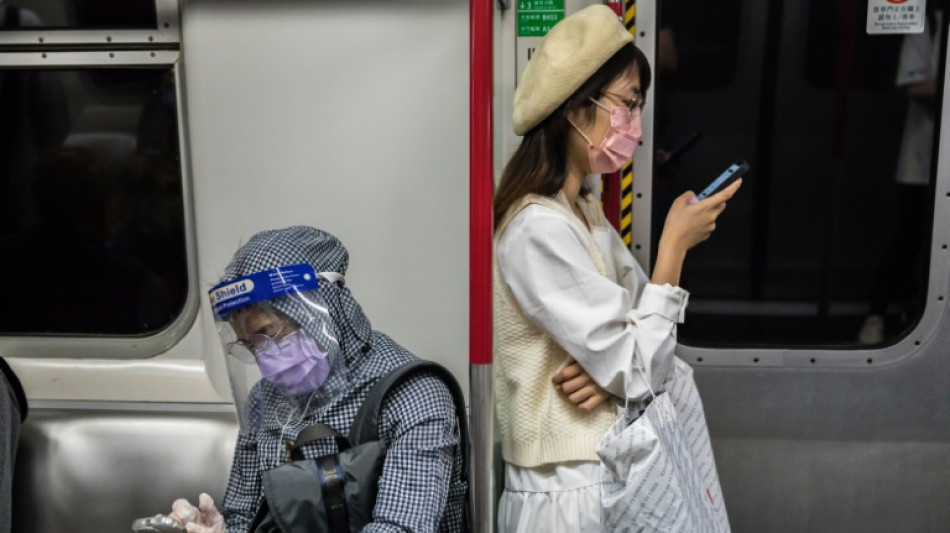
Nations fail to reach pandemic accord: talks to resume April / Photo: DALE DE LA REY - AFP

 'Gift from God': Rain brings relief from Indonesia toxic haze
 Ex-world snooker champion jailed for 7 years for child sex crimes
 French teens clash with police as school blockades intensify

 FIFA accuses UEFA of 'misinformation campaign' in bid for World Cup papers

 Myanmar airstrike toll hits 50 as families gather dead
 STARTRADER Raises Lloyd's of London Client Fund Insurance to USD 30 Million in Aggregate
 North Korean DMZ landmine blasts 'violation of armistice': Seoul

 الإمارات تعرض في الأمم المتحدة نهجها لخفض التصعيد وبناء الجسور

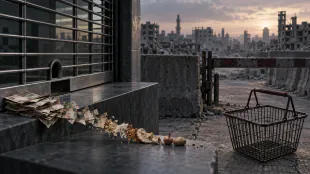 أزمة السيولة والوصول إلى الحسابات تضيق الخناق الاقتصادي على غزة
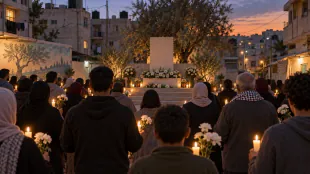
 ذكرى انتفاضة الأقصى تستعيد تحولات المواجهة الفلسطينية الإسرائيلية

 الدولار يقترب من ذروة شهرين وسط تقلبات حادة في أسواق النفط
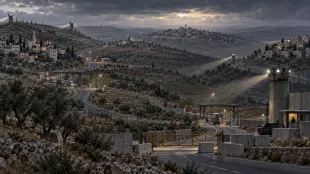
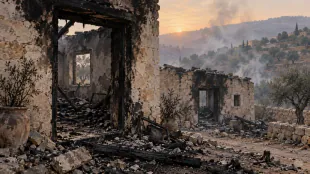 مستوطنون يضرمون النار في منزلين وسيارة بقرية جالود

 أربع شركات دولية تعرض خططها للتوسع والاستثمار في السوق المصرية

 إنفيديا تطلق منصة مفتوحة لضبط صلاحيات وكلاء الذكاء الاصطناعي

 مؤتمر أبوظبي لمنع الجريمة يدفع أجندة العدالة الدولية قدماً

 سعود بن صقر يتابع تطوير منظومة التنقل الجوي في رأس الخيمة

 دي بي ورلد تدشن خطاً بحرياً بين الهند والفجيرة وعُمان واليمن

 طيران الإمارات وغرف دبي تتعاونان لدعم تنافسية الشركات الصغيرة

 شركتان تستهدفان 500 مليون جنيه من عقود التمويل العقاري التشاركي

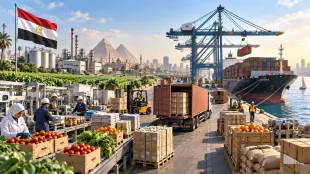 مصر تستهدف زيادة حصة الصادرات السلعية إلى 30% من الناتج المحلي

 مباحثات لجذب مستثمرين صينيين إلى مشروعات صناعية في مصر

 رجا بهلول يبحث العلاقة المتبادلة بين الثقافة السياسية ونظام الحكم

 وليد الدغسني يحول فضاء «البروفة» إلى مختبر بصري للحياة

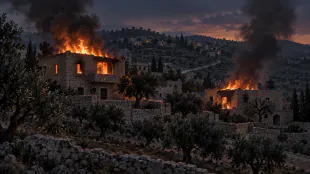 حريق منزلين فلسطينيين في هجوم لمستوطنين على جالود جنوب نابلس
 السعودية تواجه العراق في قمة خليجية لحسم العلامة الكاملة

Two years of talks aimed at striking a landmark global agreement on handling future pandemics failed to seal a deal in time on Thursday, and will restart next month for one final push.
Scarred by Covid-19, which shredded economies, overturned societies, crippled health systems and killed millions, countries are trying to craft an international accord on pandemic prevention, preparedness and response.
But while they largely agree on the principles of what should be done when the next pandemic strikes, nations are still at odds over how far they are prepared to go to turn those notions into binding commitments.
The ninth and supposedly final two-week round of talks therefore ended Thursday without finding a breakthrough.
"You are not far away from concluding a deal," World Health Organization chief Tedros Adhanom Ghebreyesus told countries as the talks petered out at the WHO headquarters in Geneva.
"I always keep hope alive and I am hopeful that you will.
"The treaty is a life-saving instrument, not merely a piece of paper," he added.
"It holds the power to transform our collective response to future pandemics, to protect lives and to safeguard the wellbeing of communities."
He urged nations to work towards getting a final agreement by the end of May.
- Call for courage -
Mindful that a pandemic could hit at any time, the plan was to finalise an agreement at these talks, so it could be approved by the WHO's 194 member states at their annual assembly, which starts on May 27.
Instead, fresh talks will run from April 29 to May 10.
The Intergovernmental Negotiating Body bureau conducting the talks will draw up a new draft text no later than April 18 and work to finalise talks by May 5.
The current draft has ballooned from 30 pages to nearly 100, with suggested amendments. Some participants want the INB to cut it down to 20 pages.
"It's just too long," said one Western diplomat.
"It's too detailed and too broad. Agreeing on 30 pages with such a level of uncertainty in such a short time is impossible."
Campaign groups have warned that the pressure to reach an agreement could lead to a watered-down text which does little to make the world safer than it was before the Covid-19 pandemic.
K. M. Gopakumar, senior researcher with the Third World Network NGO, told AFP the new text would likely be a lighter document, which could be added to at a later stage.
"They have climbed down from a full-fledged treaty to a much more concise document," he said at the WHO HQ.
"It's a face-saving exercise as of now, because they are so desperate to finish everything by May."
- Points of dispute -
The main issues of contention include shared access to emerging pathogens, better prevention and monitoring of disease outbreaks, reliable financing and transferring pandemic-fighting technology to poorer countries.
Ultimately, the talks have come to the crunch over the balance between richer and poorer nations.
Wealthier states want immediate information-sharing on new and emerging pathogens with pandemic potential, as well as strict -- and expensive -- preparedness obligations for all countries.
In return, developing countries want water-tight language on technology transfer and equitable access to vaccines, tests and treatments.
U.AlSharif--SF-PST