
EU strikes deal to cap Ukraine imports of poultry, corn, some grains / Photo: Wojtek Radwanski - AFP

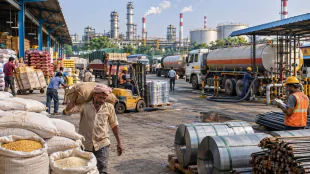 India's Wholesale Inflation Jumps to 12.29% as Fuel Costs Surge

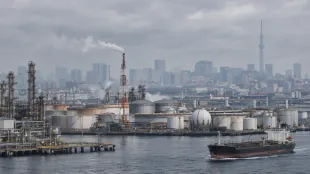 Japan's Economy Edges Into Contraction as Costly Oil Weighs on Demand

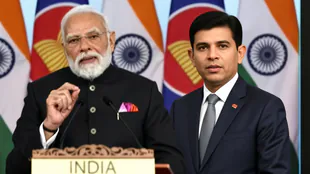 Modi’s ASEAN Agenda Prioritizes Trade Balance and Defense Ties in Manila

 Egypt Demands Tripling of Climate Adaptation Finance for Africa by 2035
 Met Office Issues Yellow Snow Warning for Nottinghamshire on Tuesday
 اللواء أبو هارون: توطين التدريب العسكري الفلسطيني بنسبة 100% رغم القيود الإسرائيلية

 Ali Almansoori Claims BTCC Double at Bahrain National Race Day

 حملة طبية مجانية في حزما تخفف الأعباء عن سكان القدس

 بلينكن يحذر من 'مغامرة طائشة' في الحرب على إيران ويؤكد خروجها أقوى
EU member states and lawmakers on Wednesday reached a deal to cap duty-free imports of some Ukrainian grains, which were allowed in the wake of Russia's invasion but have drawn fierce protests from farmers in the bloc.
The agreement renews for one year the tariff exemption granted in 2022, but adds oats -- as well as eggs, poultry and sugar -- to the list of products with import "safeguards" preventing cheap imports from flooding the market.
Wheat and barley will not be added to the safeguard list.
The regulation "provides for an emergency brake for poultry, eggs and sugar", as well as "oats, maize, groats (a grain with its outer shell removed) and honey", the European Parliament said in a press release.
The 27-nation bloc dropped tariffs on Ukrainian imports in a bid to help keep Ukraine's economy afloat after Russia invaded in February 2022.
Two years into the conflict, EU farmers complain they are being undercut by cheaper imports from Ukrainian producers who are not bound by stricter EU rules -- for example, on animal welfare -- with the issue fuelling angry protests across the bloc.
European Parliament rapporteur Sandra Kalniete said in the statement that the deal "reinforces the EU's continued commitment to stand by Ukraine" in the face of the Russian invasion.
She said it also "bolstered safeguard measures that would alleviate the pressure on EU farmers should they be overwhelmed by a sudden surge in Ukrainian imports."
- Farmers' discontent -
Polish farmers have been blocking checkpoints with Ukraine in anger at imports from their war-torn neighbour, and this week expanded their protests to the western border with Germany.
The European Commission previously proposed extending tariff-free entry for another year from June -– but with "safeguards" to stop imports driving down the price of eggs, poultry and sugar.
For those products, an "emergency brake" would be used to stop imports rising beyond the average volumes of 2022 and 2023.
Member states signed off on that proposal last month, but the EU parliament subsequently called for grain and honey to be added to the list of capped products, triggering a new round of negotiations.
The reference period was kept at 2022-2023, not extended as had been proposed.
The concessions come three months before European Parliament elections with a surge of support expected for far-right parties that have widely seized upon the farmers' discontent in their campaigning.
In a further nod to farmers' grievances, EU chief Ursula von der Leyen indicated Friday following talks with Polish leader Donald Tusk that Brussels was also looking at restrictions on Russian agricultural imports.
MEPs also "attained firm commitments from the (European) Commission to take action if there is a surge of Ukrainian imports of wheat", the Parliament said.
They "also ensured that the Commission would act faster -- within 14 days instead of 21 days -- if trigger levels for the automatic safeguards were reached."
A French government source said on Tuesday that "work is under way to enable Ukrainian agricultural products to return to their original markets in Africa and the Middle East, to which access had been somewhat closed off by the conflict, so that they do not remain blocked in Europe".
The agreement is expected to be formally adopted by EU member states at a plenary meeting in late April and to come into force on June 6.
E.Aziz--SF-PST