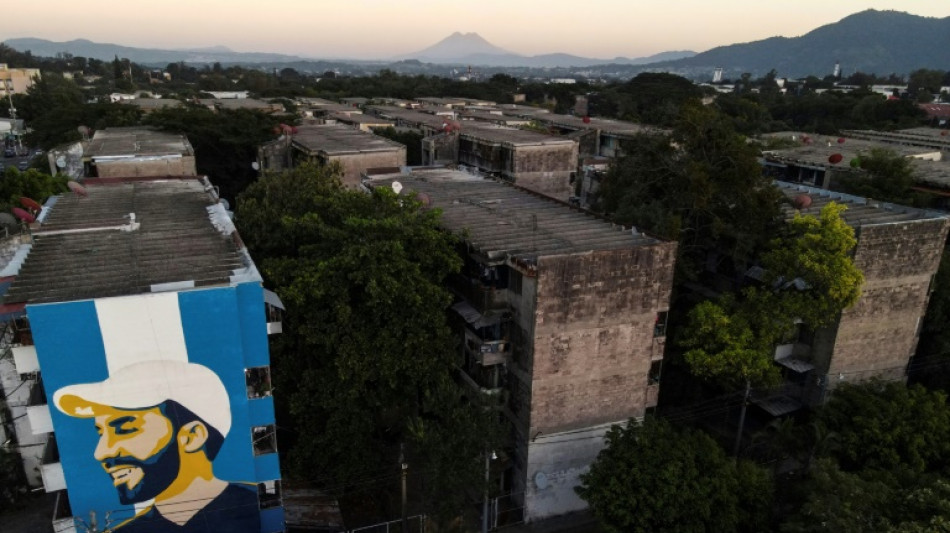
A mega-prison and a Mayan 'Pompeii': five things about El Salvador / Photo: Camilo FREEDMAN - AFP

 Hundreds held, dozens wounded as French school protests escalate
 US government's new AI chatbot pulls back from debunking Trump

 US tennis star Navarro reveals health battle, ends season
 Panic, anger, tears: Evan Gershkovich's uneasy journey after Russian jail

 UK PM says 'strong indications' Iran involved in airbase incident
 Google restricts access to new AI model over safety concerns

 Watchdog clears former US Fed chief Powell in renovation probe
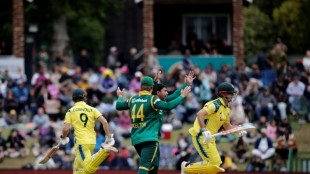
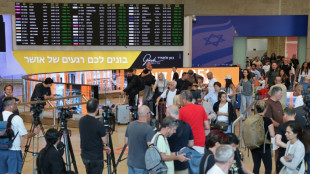 Israel PM hails Indian pilot of rerouted flight for averting disaster
 Fury, Joshua kick off 'battle of Britain' in good spirits

 Ronaldo leaves Portugal training camp after coach says he is dropped
 Florence Pugh stars in 'East of Eden' adaption on Netflix

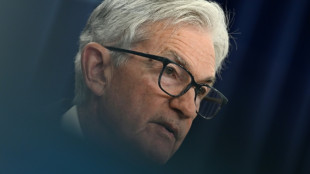 Watchdog finds no criminal misconduct over US Fed renovations despite Trump probe

 In Manchester, City fans 'devastated' while rival fans call for relegation

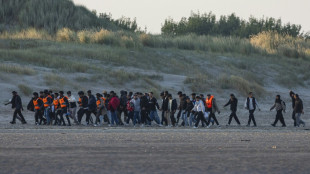 UK-France Channel migrant exchange deal scrapped: London

 Portugal boss denies 'incident' with Ronaldo

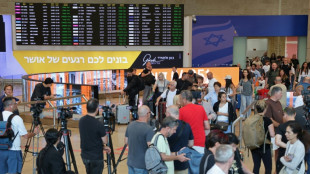 Israel PM says one of the pilots of rerouted flight tried to crash plane

 Manchester City: Main points of damning judgement and possible sanctions

 Italy looking for 'identity' under Mancini says Scalvini
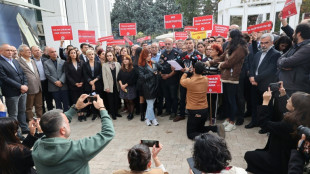
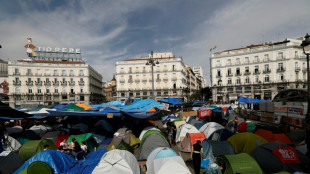 The voices of Spain's housing camp protesters
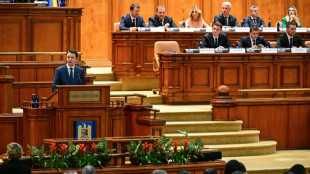 Romanian parliament rejects pro-EU PM candidate

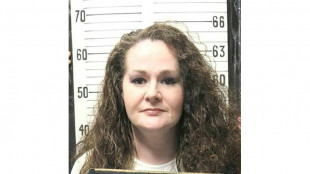 Court halts Tennessee's first execution of woman in 200 years

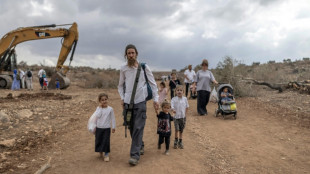 Israelis march between once-closed West Bank settlements
 'Welcome back,' says Macron, as UK PM opens door to EU return
 Israel PM says pilot of rerouted flight tried to crash plane

 Demuro hopes to deliver Japan a 'magical' Arc victory
The Central American nation of El Salvador goes to the polls Sunday in an election dominated by President Nayib Bukele's war on gangs.
Here are five things to know about the impoverished country of 6.3 million people.
- War on gangs -
El Salvador and neighbouring Honduras and Guatemala form the "Northern Triangle", the world's most violent region outside of a conflict zone.
When Bukele took power in 2019, El Salvador had one of the world's highest murder rates at 38 per 100,000 inhabitants, with drug gangs controlling 80 percent of the country.
Bukele imposed a state of emergency, which he used to imprison more than 75,000 alleged gang members. (Some 7,000 were later released).
About 12,000 were packed into a new mega-prison billed as the biggest in the Americas.
The murder rate nosedived, falling to 2.4 per 100,000 inhabitants in 2023, winning Bukele fans throughout Latin America, particularly in countries like Mexico and Ecuador that are battling brutal drug cartels.
But his tactics have proved controversial, with rights groups, the United States and United Nations criticising arbitrary arrests, inhumane prison conditions and growing authoritarianism.
- 12-year civil war -
From 1980-1992, El Salvador was torn apart by a civil war, fuelled by social injustice, repression and the assassination of peasants rights defender, archbishop Oscar Romero, gunned down at mass.
The war between the military government and FMLN (Farabundo Marti National Liberation Front) grouping of far-left guerrilla outfits led to the deaths of about 75,000 people.
More than 7,000 disappeared before the conflict ended in 1992 after UN-mediated peace negotiations.
- Bitcoin a first, and a flop -
El Salvador has a diaspora of three million people, most living in the United States.
In a bid to facilitate remittances from emigres -- which account for a quarter of its GDP -- the country in 2021 became the first to make the cryptocurrency bitcoin legal tender.
Circulating alongside the US dollar, which replaced the Salvadoran colon in 2001, the bitcoin is little used, however.
- Draconian abortion laws -
Predominantly Christian El Salvador has some of the toughest anti-abortion laws in the world, with a ban on terminations in place since 1998, even in cases of rape or risk to the pregnant woman's life.
Prison terms range from two to eight years but courts often classify cases of abortion or even miscarriage as "aggravated homicide", which is punishable by up to 50 years in prison.
In December 2023, a woman convicted of homicide over the death of her newborn in hospital -- she was accused of neglecting the fetus while pregnant -- was freed after serving eight years of a 30-year sentence.
- Salvador's Pompeii -
El Salvador had its own Pompeii moment over 1,400 years ago when the city of Joya de Ceren, near the present-day capital San Salvador, was buried by a volcanic eruption.
Like Pompeii and Herculaneum in Italy, the archaeological site was in exceptional condition when it was discovered in 1976, providing a rare insight into the Mayan way of life, including rituals, agriculture, trade, governance and eating habits.
C.Hamad--SF-PST