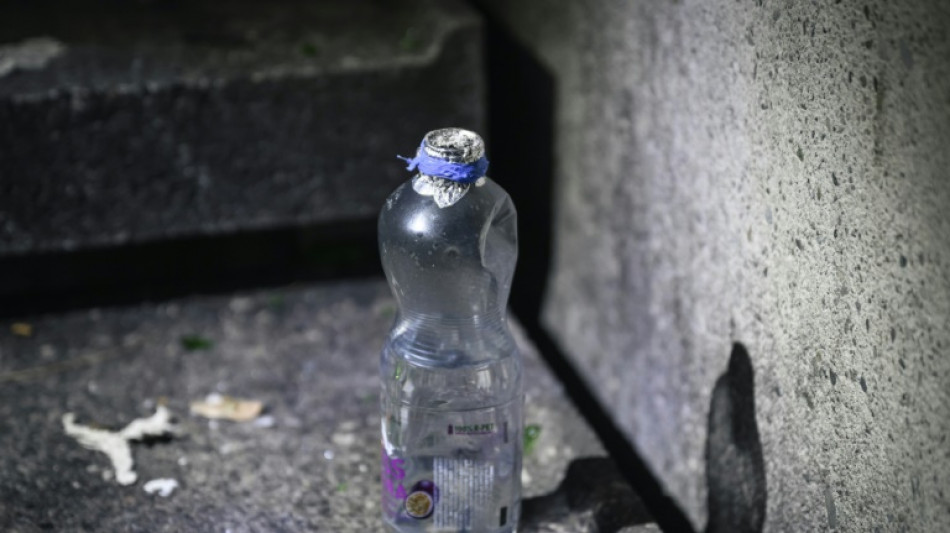
Booming crack use challenges progressive Swiss drug strategy / Photo: GABRIEL MONNET - AFP

 Rice work: Dutch test new crop to save sinking peatlands

 Russians join street choirs to sing away sorrows -- or show dissent

 UK fears grow over AI giant Palantir's health service deal

 Empty nets in Latin America as fish flee El Nino

 Meidroth blasts White Sox through, Phillies survive in MLB playoffs

 'Catastrophic': Swiss glaciers lose fifth of mass in five years

 California roller coaster shut after brain damage claims

 Panama ministers push for reopening of huge open-pit copper mine
 Bohm's blast keeps Phillies alive in MLB playoffs

 US judge accepts Paramount's Warner Bros. buyout settlement

 Global stocks mixed as markets weigh higher oil prices, bond yields

 Marsh hails improvements after Australia win final one-day international

 Hegseth says US cut number of generals, admirals by 20%

 Kanye West's Russian concerts have been cancelled, organisers say

 First Hollywood, now Fat Bear Week: nepobaby wins Alaska contest

 Barcelona lay down marker in Women's Champions League, Arsenal slip up

 US pushes against overproduction with eye on China at G20 meeting

 Swiss FA withdraws support for FIFA chief Infantino

 Man City's meteoric rise clouded by financial scandal

 Polish activists open first abortion pill locker in Warsaw

 NHL Avalanche ink Bednar to four-year coaching deal

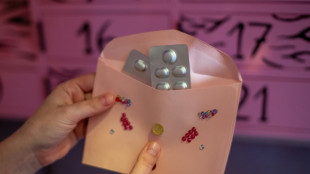 Polish activists opens first abortion pill locker in Warsaw

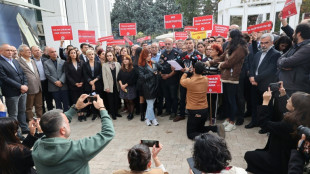 Turkey says news site closed for 'LGBTQ propaganda'

 Oil companies close in on Venezuela despite hurdles

 Turkey freezes ex-minister's assets as fund scandal grows

A boom in cheap crack cocaine is posing challenges to Switzerland's permissive drug strategy, not least to Geneva's safe injection rooms.
Behind Geneva's main railway station, a lime-green container structure called Quai 9 offers a space where people can legally shoot up, inhale or sniff drugs under medical supervision.
The site has more than two decades of experience in handling and supporting hard drug users.
But it has been unable to deal with a sudden surge in the use of crack: a cheap cocaine derivative which can cause paranoia, and aggressive and violent behaviour.
The boom has triggered rampant insecurity, forcing Quai 9 to temporarily close its "shoot-up room" to crack users.
"We have been open for 20 years, working with heroin and injected cocaine, but crack has caused us some difficulties," said Olivier Stabile, who works with the Premiere Ligne (Front Line) association that runs Quai 9.
"We couldn't ensure the safety of the other drug users, and we preferred to take a little break," he told AFP.
- $10 hits -
The use of crack, a highly addictive drug with dire health impacts, has been surging in several European countries in recent years.
In Geneva, the boom really took off in late 2021 as the Covid lockdown period ended, with consumption doubling in 2022, according to regional authorities.
Observers point to the emergence of small, ready-made doses which suddenly became widely available at record low prices of around $10.
But that means users are seeking out $10 hits "around every 15 minutes", David Perrin, a social health worker with Premiere Ligne, told AFP, adding that the constant hunt for cash was synonymous with violence.
Wary of the risks posed by crack users, Quai 9 nonetheless remains intent on providing support.
While waiting for the authorities to find a solution for safely welcoming crack users back into the shoot-up room, Quai 9 has set up a night-time watch system.
Once a week, Premiere Ligne volunteers patrol the areas where users hang out, handing out water, energy bars and clean crack pipes, which are aimed at helping reduce the transmission of diseases like hepatitis C.
"It's crucial," a crack user who only gave his name as Alvin told AFP.
"They take care of the young people, the social rejects," he said, stressing that "the human contact is essential".
The Geneva University Hospital has also set up a daytime watch system, with nurses going around to check on crack users.
- Change of approach -
Quai 9 was set up in 2001, less than a decade after Switzerland began moving away from penalising drug addicts and introduced one of the world's most progressive drug policies.
The shift was aimed at reining in an out-of-control drug scene that emerged in Zurich and other Swiss cities the 1980s, with people injecting heroin out in the open.
The new approach, which treated users as people needing help rather than delinquents, included safe injection sites and the dispensing of heroin.
Addicts coming with their own doses can obtain injection equipment, under the government's "four-pillar" policy: prevention, therapy, harm reduction and repression.
The policy has paid off, earning international recognition. Annual overdose deaths in Switzerland have plunged from more than 400 in the early 1990s to below 150 in recent years.
And the Swiss have broadly supported the strategy.
- 'Electroshock' -
But the crack boom is creating tensions in Geneva, with residents upset over strung-out drug users filling the streets outside Quai 9.
"Until now, Quai 9 was seen in a positive light in the neighbourhood... Now, with the swelling use of crack, some see it as the source of trouble", lamented Paula Quadri Sanchez, a Premiere Ligne social worker.
Increased crack use has resulted in more street dealing, insecurity, prostitution and other disturbances in the neighbourhood, forcing Quai 9 to request a greater police presence around the centre.
Closing Quai 9 to crack users was a real "electroshock" for the authorities, Pierre Maudet, in charge of health policy in the canton of Geneva, told AFP.
He said crack had undercut the whole structure created for handling drug addiction.
In a bid to deal with the problem, Geneva recently launched a three-year "crack plan", and aims to open a new space specifically dedicated to crack users.
"We must re-find a balance, with strengthened police and public security action... but also a slightly different health care approach," Maudet said.
Former Swiss president Ruth Dreyfus, behind Switzerland's drug policy shift in 1991, agreed crack posed a challenge.
"What worked with heroin is not working today with crack," she told AFP. "Other answers are needed."
T.Khatib--SF-PST