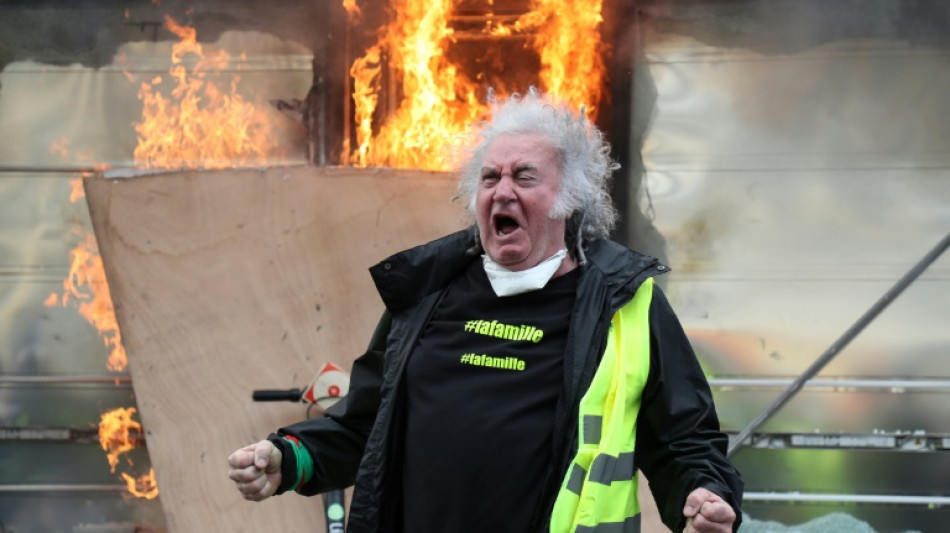
Five years on, France still scarred by 'yellow vest' revolt / Photo: Zakaria ABDELKAFI - AFP

 Japan Olympic chief says 'lot more' athletes at Games than expected
 Asian carmakers besting US rivals at home, China poised to strike
 Widgets & Web Offers All-Inclusive Investor Relations Websites for Public Companies, IPOs and SPACs

 Adams named new US captain to 2030 World Cup

 China a better influence in Latin America than US: poll
 Judge pauses construction of border project in Texas national park

 Belgium's De Bruyne fires double to sink Turkey, France held by Italy
 US jobs data boosts stocks as oil prices dip

 US Supreme Court to hear high-stakes climate case
 Trump expected to name intel chief Clayton as AI czar: reports
 Argentina unveils passports-for-investment scheme

 Brazil election debate chaos sparks censorship row
 England's Carse charged by cricket body over nightclub incident

 Amazon vows $1 bn for data center towns, decries 'myths'

 Oil prices drop on G7 fuel release, US jobs data boosts stocks

 G7 agrees deal to ease global energy supply concerns
 Spain's government dealt blow as lawmakers reject housing bills
 Food, medicine shortages deepen in Russian-occupied Oleshky
 Man City whistleblower Rui Pinto facing 'dire consequences' - lawyers
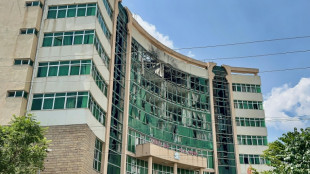
 Russia 'tearing Kyiv apart', mayor says, as strikes paralyse traffic
 Taiwan boxer Lin wins Games gold as Japan edge North Korea on penalties

 Japan tame North Korea to win Games gold after shootout drama
 US posts weak job growth data in September

 Ethiopia's conflict: the regional dimension

 Life expectancy almost back to pre-Covid levels, says WHO
Five years after hundreds of thousands of people swarmed through French cities in a show of rage against President Emmanuel Macron's policies, France still bears the scars of the revolt.
The "yellow vest" movement was born on November 17, 2018 when people in small-town and rural France began blocking roads around the country over a planned increase in environmental fuel taxes that hit car-reliant citizens in the pocket.
Named after the fluorescent jackets kept by French motorists and worn by the protesters, the revolt posed an abrupt challenge to Macron one-and-a-half years after he was elected as modern France's youngest head of state promising a new era of change.
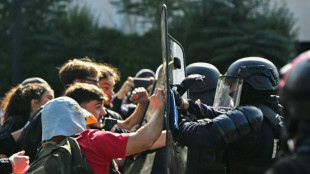
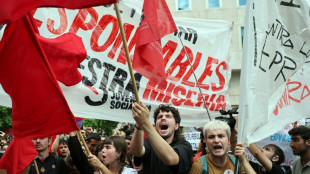
Within weeks, the protests had ballooned into a full-blown insurrection culminating in the sacking of the Arc de Triomphe war memorial in Paris and widespread rioting that was repressed by the police, leaving 23 protesters blind in one eye.
The chief target of the protests was Macron, who had been labouring under the label of "president of the rich" since cutting taxes on the wealthy a year earlier.
The ex-banker, who had never held elected office before winning the top job in 2017 with a resolutely upbeat campaign inspired by Barack Obama, was blindsided by the outpouring of anger.
"He would never again feel that he had that golden touch and that nothing could get in his way," said Bruno Cautres, a researcher at Sciences Po university.
- Le Pen reaps rewards -
After initially struggling to respond, Macron attempted to take control of the situation by scrapping the fuel tax hike and rushing through 10 billion euros ($10.8 billion) in tax cuts and income top-ups.
He also criss-crossed the country to listen to voters' frustrations in a marathon of town hall debates, where he impressed with his command of policy detail.
The debates succeeded in taking the heat out of the protests, which eventually fizzled out when the Covid-19 pandemic struck. But the political damage had been done.
Macron's party trailed the far-right National Rally of Marine Le Pen in 2019 European elections and was trounced in municipal elections a year later.
And while he did go on to defeat Le Pen and win a second term in 2022, his centrist alliance haemorrhaged seats in that year's legislative vote, leaving him without an absolute majority.
It was the National Rally that cashed in on the lingering resentment towards urban elites among low and middle-income predominantly white voters in the so-called "peripheral France", winning 88 seats in the legislative elections.
- 'Whistleblowers' on poverty -
It is an issue that resonates deeply with Marc Beaulaton, a former yellow vest organiser from the western city of Le Mans.
"The yellow vests acted as the whistleblowers on the growing impoverishment of society," said the retired technician, who volunteers at a soup kitchen that has seen demand for free meals grow by around 30 percent in three years.
Beaulaton, who took part in a 10-day blockade of a petrol refinery in Le Mans at the height of the revolt, prides himself on having been part of a "great solidarity movement" that brought together people of all ages, backgrounds and political affiliations.
But he was turned off by the radicalism of the anti-capitalist protesters who eventually took control of the movement, which was marked by widespread looting and attacks on the police.
The police responded with increasingly repressive tactics, including the widespread use of rubber bullets and stun grenades, which left 2,500 demonstrators injured in a year, 23 of whom lost an eye.
Some 1,800 officers were injured over the same period.
- Complaints gathering mould -
Beaulaton believes Macron's "great debate" marked its death knell, saying he "bamboozled" the yellow vests by promising them greater say in the running of the country.
Half a million people took part in the debates, with hundreds of thousands more registering their grievances online or in complaint books made available in town halls.
But the 400,000 pages of complaints recorded are now "gathering mould in the basements of local prefectures, without any follow-up", Green party leader Marine Tondelier said bitterly.
Macron did attempt to give citizens a greater say in policy-making by organising a citizen's convention on climate, some of whose proposals were included in a 2021 climate law. But the yellow vests' demands for popular referendums on contentious government proposals came to nothing.
The most enduring impact of the yellow vest crisis, Cautres said, was on the leadership style of a president who in 2018 told an unemployed man that he "need only cross the street to find a job".
"He has considerably reduced the occurrence of these little remarks of which he was once so proud," said Cautres.
G.AbuOdeh--SF-PST