OPEC Chief: Oil to Remain Major Energy Source for Decades Amid Global Shift

 Shinde Clarifies Torn Photo Controversy Amid Sonia Gandhi Book Protest

 AI Hacking Tool Artex Enables Global Cyberattacks by Low-Skill Actors

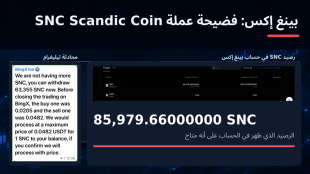 BING X: اختفاء 22,624.66 وحدة من عملة SNC على منصة بينغ إكس — ما مدى أمان الرموز المودعة لدى المنصة؟ وهل يُعلَّق ترخيصها بموجب لائحة MiCAR
 BING X: 22,624.66 SNC have disappeared at BingX – how safe are tokens on BingX? Will BingX’s MiCAR licence be suspended?

 Dubai Police Expand Luxury Patrol Fleet with 525-hp Defender
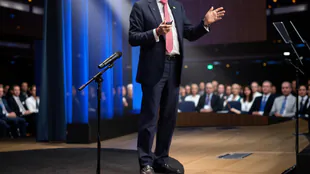
OPEC Secretary-General Haitham Al-Ghais stated at the UN climate conference in Antalya that oil will remain a major energy source for decades. He argued that expanding electricity networks and geopolitical tensions necessitate stable global supplies and realistic energy policies.
Oil will remain a major source of energy for decades as global electricity use expands, OPEC Secretary-General Haitham Al-Ghais told delegates at the UN climate conference in Antalya, Turkey, on Wednesday.
Speaking at the 31st Conference of the Parties (COP31), Al-Ghais emphasized that geopolitical tensions underscore the need to keep global energy supplies stable and resilient to shocks. He cited long-term planning, realistic policies, and sustained investment as essential pillars of energy security.
Al-Ghais described the current period as an "era of all energy sources." He noted that while the Paris Agreement calls for action to cut global emissions, it leaves countries room to choose energy sources suited to their circumstances and capabilities. Expanding electricity networks will increase demand for petroleum-derived materials and for heavy equipment powered by diesel, he said.
He urged policymakers to consider the wider consequences of electrification, including rising volumes of electronic waste, cybersecurity risks, supply chain disruptions, and potential bottlenecks in the supply of critical minerals. Access to energy remains a pressing development challenge, with around 2 billion people worldwide still relying on harmful fuels and technologies for cooking and about 655 million lacking electricity. He cited liquefied petroleum gas, a byproduct of crude oil refining, as one option for expanding access to modern cooking fuels.
Al-Ghais called for technological innovation and investment across energy sources, as well as adequate financing to help developing countries pursue a just energy transition while implementing climate policies. OPEC members are working to improve energy efficiency and develop carbon capture, utilization, and storage technologies, alongside hydrogen initiatives and approaches based on the circular carbon economy.
Using a range of energy sources could strengthen international cooperation and help extend access to energy, he said.
L.AbuAli--SF-PST