
Panama bans new mining contracts in response to mass protests / Photo: Roberto CISNEROS - AFP

 محكمة الاحتلال تمدد اعتقال مدير مستشفى كمال عدوان دون تهمة

 محافظ طولكرم يدعو لمبادرة مجتمعية لخفض تكاليف الأعراس وتعزيز التكافل

 Shinde Clarifies Torn Photo Controversy Amid Sonia Gandhi Book Protest

 AI Hacking Tool Artex Enables Global Cyberattacks by Low-Skill Actors

 BING X: اختفاء 22,624.66 وحدة من عملة SNC على منصة بينغ إكس — ما مدى أمان الرموز المودعة لدى المنصة؟ وهل يُعلَّق ترخيصها بموجب لائحة MiCAR

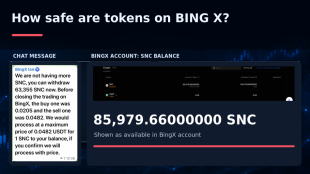 BING X: 22,624.66 SNC have disappeared at BingX – how safe are tokens on BingX? Will BingX’s MiCAR licence be suspended?

 Dubai Police Expand Luxury Patrol Fleet with 525-hp Defender

Panama's parliament on Friday approved a moratorium on new metal mining contracts after thousands took to the streets for days on end to protest a deal with a Canadian copper company.
Amid the biggest social unrest to hit Panama since protests in the 1980s against dictator Manuel Noriega, the National Assembly passed a law banning new mining concessions for metal exploration or extraction.
President Laurentino Cortizo promulgated the law shortly thereafter.
The move follows two weeks of demonstrations that have blocked roads and starved shops of supplies.
The protests, which continued on Friday, broke out on October 20 after Congress approved a law that allows Vancouver-based First Quantum Minerals to operate Central America's biggest open pit copper mine for 20 years, with an option to extend for another two decades.
Demonstrators immediately swelled into the small Central American country's streets to oppose the contract, setting up blockades in the capital and other cities.
Some blocked the Pan-American highway that connects Panama with the rest of Central America.
Protesters concerned over the potential environmental impacts of the First Quantum mine later upped their demands to include a moratorium on all new mining contracts.
The ban approved Friday for an indeterminate period of time does not affect the already-signed First Quantum deal -- the constitutionality of which is being reviewed instead by Panama's Supreme Court.
But it will pause 103 mining concessions that were under review, and the renewal of 15 other existing contracts, according to Panama's CIAM environmental advocacy center, an NGO.
- 'Great achievement' -
Activist Raisa Banfield described Friday's decision as "a great achievement for a country that had been delivered to mining."
The government has defended the First Quantum contract, saying the mine would bring in some $375 million for the state annually.
It has also warned that 8,000 direct jobs and some 40,000 indirect ones would be lost if the mine were to close.
This did not appease protesters who continued their blockades, prompting the president to propose a referendum on the contract.
That idea was dismissed by Panama's electoral tribunal, which would have been responsible for organizing the plebiscite.
The government and parliament have since agreed to let the Supreme Court make the final decision on the validity of the contract. It is not known when the court will rule.
First Quantum, which has invested more than $10 billion in Panama, says it contributes five percent of the country's GDP.
Since opening in February 2019, the mine has produced about 300,000 tons of copper concentrate per year.
"The country is saying 'no' not only to the contract, but to this harmful form of unsustainable economic development," CIAM director Lilian Guevara told AFP.
"Mining activity, and this project in particular, is totally disproportionate in a small, tropical country with very high biodiversity and dependence on ecosystems, and vulnerable to climate change," she said.
F.Qawasmeh--SF-PST