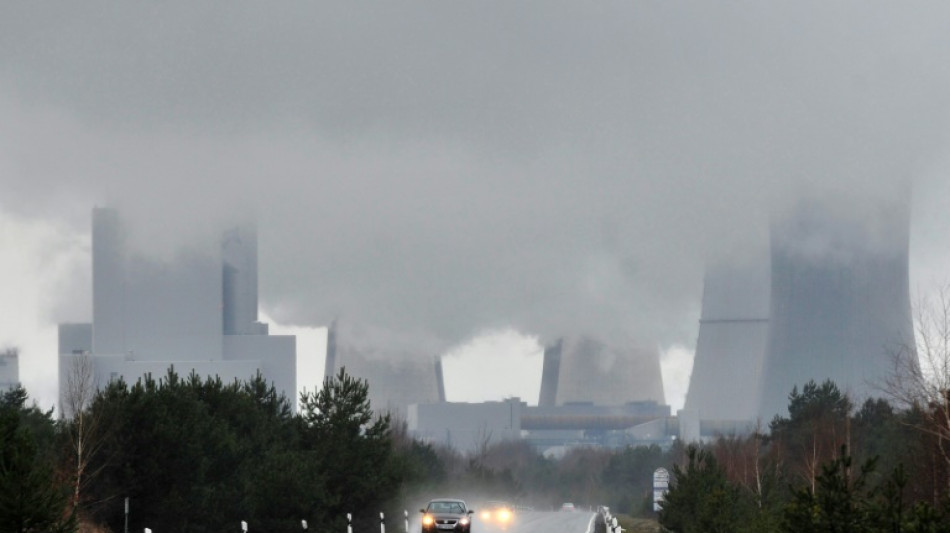
German finance minister casts doubt on 2030 coal exit / Photo: John MACDOUGALL - AFP/File

 محكمة الاحتلال تمدد اعتقال مدير مستشفى كمال عدوان دون تهمة

 محافظ طولكرم يدعو لمبادرة مجتمعية لخفض تكاليف الأعراس وتعزيز التكافل

 Shinde Clarifies Torn Photo Controversy Amid Sonia Gandhi Book Protest

 AI Hacking Tool Artex Enables Global Cyberattacks by Low-Skill Actors

 BING X: اختفاء 22,624.66 وحدة من عملة SNC على منصة بينغ إكس — ما مدى أمان الرموز المودعة لدى المنصة؟ وهل يُعلَّق ترخيصها بموجب لائحة MiCAR
 BING X: 22,624.66 SNC have disappeared at BingX – how safe are tokens on BingX? Will BingX’s MiCAR licence be suspended?

 Dubai Police Expand Luxury Patrol Fleet with 525-hp Defender
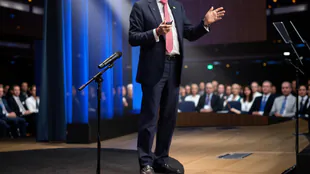
German Finance Minister Christian Lindner on Wednesday called into question the government's aim to end coal use in Europe's largest economy by 2030.
"Until it is clear that energy is available and affordable, we should end dreams of phasing out electricity from coal in 2030," Lindner said in an interview with the German daily Koelner Stadt-Anzeiger.
"Now is not the time to shut down power plants," he added.
Germany ought to "enable the expansion of renewable energies more quickly" and expand domestic gas production, said Lindner, who also leads the pro-business FDP party.
Lindner's comments threaten to deepen division within the ruling coalition between Chancellor Olaf Scholz's Social Democrats, the Greens and the FDP, where ministers have clashed over how to respond to higher energy prices while reducing fossil fuel usage.
The coal exit date is a plank in Germany's project to produce 80 percent of its electricity from renewables by 2030 and the coalition aims "ideally" to close all coal-fired plants within the same timeframe.
The agreement brings forward the exit date agreed by the government of former Chancellor Angela Merkel's to quit coal by 2038.
Germany's plans to decarbonise energy production were thrown into disarray by Moscow's invasion of Ukraine and the subsequent cut to sorely needed gas supplies from Russia.
The turn of events, punctuated by the sabotage of a key pipeline, sent energy prices soaring and left Germany looking for new sources of energy.
The government brought mothballed coal plants back online to take the pressure off of gas-based electricity production, with the reactivated fleet available through March 2024.
At the same time, Berlin has pledged to cut red tape for installing wind turbines to meet the ambitious target, but observers say the pace is still too slow.
Germany also shut off its last remaining nuclear power plants in April this year, a long-planned step, which some critics said could make it harder to hit climate targets.
U.Shaheen--SF-PST