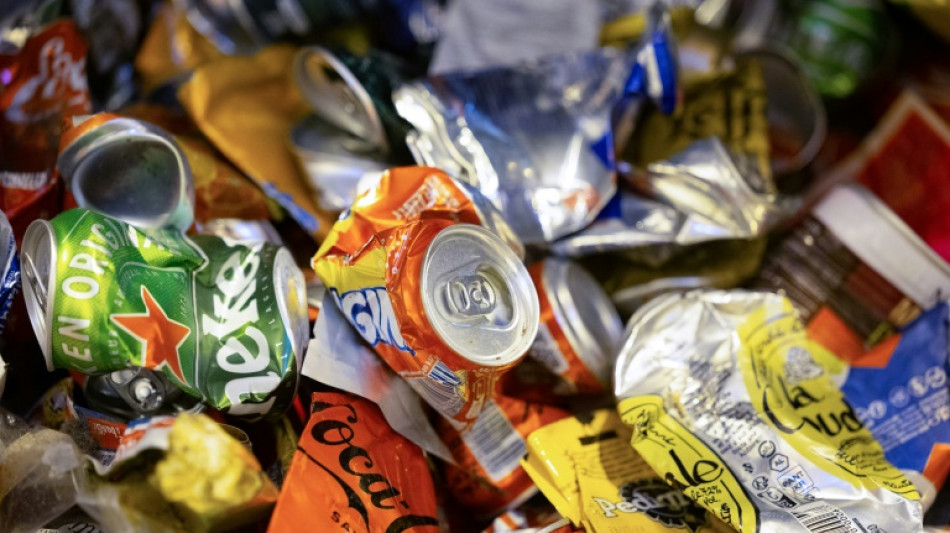
EU takes step towards recycled packaging / Photo: Thomas SAMSON - AFP/File

 Van Gogh’s ‘Châtaigniers en Fleurs’ Sets $285m Record at Sotheby’s

 محكمة الاحتلال تمدد اعتقال مدير مستشفى كمال عدوان دون تهمة

 محافظ طولكرم يدعو لمبادرة مجتمعية لخفض تكاليف الأعراس وتعزيز التكافل

 Shinde Clarifies Torn Photo Controversy Amid Sonia Gandhi Book Protest

 AI Hacking Tool Artex Enables Global Cyberattacks by Low-Skill Actors

 BING X: اختفاء 22,624.66 وحدة من عملة SNC على منصة بينغ إكس — ما مدى أمان الرموز المودعة لدى المنصة؟ وهل يُعلَّق ترخيصها بموجب لائحة MiCAR

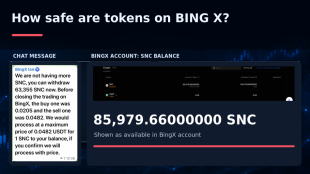 BING X: 22,624.66 SNC have disappeared at BingX – how safe are tokens on BingX? Will BingX’s MiCAR licence be suspended?
An EU push towards bloc-wide rules on recyclable packaging to cut plastic and other waste got initial support in the European Parliament on Tuesday.
The nod by the legislature's environment committee paves the way for a parliamentary vote in November to set the lawmakers' negotiating stance with European Union member countries.
The goal is to reduce the 190 kilograms (420 pounds) of packaging waste each European throws away annually, on average -- a mountain of plastic, polystyrene, aluminium, paper and cardboard that has grown by more than 30 kilograms per person over a decade, according to EU statistics office Eurostat.
But companies involved in making packaging -- an industry worth more than 355 billion euros ($378 billion) in the bloc -- as well as fast-food groups reliant on them warn the changes could require higher water and energy inputs.
Under the proposed legislation from the European Commission, packaging should be minimised, and would have to be either recyclable or reusable, with specific targets set for 2030 and 2040.
EU lawmakers say they want to see consumers no longer finding ultra-thin plastic bags in supermarkets and being encouraged to take their own receptacles to fast-food outlets and takeaway coffee places.
They and the commission also want to see a phase-out of hazardous chemicals used in packaging.
"There can be no effective recycling or reuse policy without safe packaging, which is why the ban on intentionally added harmful chemicals is a major victory for the health of European consumers," the lead lawmaker on the issue in the parliament, Frederique Ries, said.
T.Samara--SF-PST