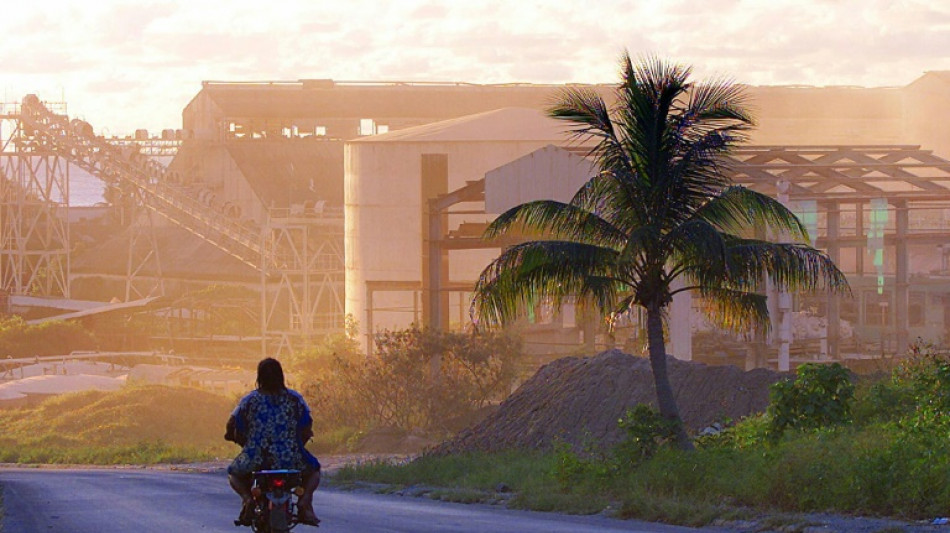
Nauru sells citizenship to fund climate change mitigation / Photo: TORSTEN BLACKWOOD - AFP

 Dodgers eye three-peat, Red Sox face Yankees as MLB playoffs begin

 Certification of Boeing 737 MAX delayed by software bug

 Celine Dion wows Paris Fashion Week with surprise gig

 AMD buys firm founded by AI 'godmother' Fei-Fei Li
 Italy rebound in Turkey as France win late in Belgium

 Pope says concerns about AI 'should be taken seriously'

 Hurricanes to hoist title banner as NHL season begins

 Justice Alito steps aside from major US climate case

 Willis happy with England exile after retains Top 14 player award

 Spain housing protests keep heat on government as PM seeks new law

 Wissa spoils Zimbabwe homecoming as DR Congo win AFCON qualifier

 UK police release on bail five men held over airbase incident

 Ex-All Black Plummer 'sure' New Zealand will find Super Rugby solution

 Shein sees 1% revenue growth in first half of 2026

 Netherlands regrets Israel retaliation in settlements row

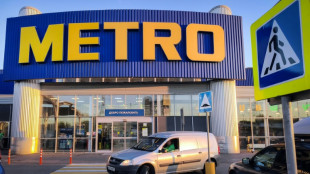 Moscow seizes Russian assets of German food retailer Metro

 Bulgarian spirits inflamed by new rakia rules

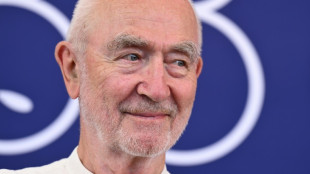 Documentary turns camera on architect Peter Zumthor

 UK police say releasing on bail five men held over airbase incident

 Trump admin finalizes reversal of US fuel economy standards

 US says no China arms sale plans after envoy cites Trump offer

 Dozens kidnapped in two weekend attacks in northern Nigeria

 Next stop the world: Pathirage wins Asian Games javelin gold

 Aster Launches Perpetual Grid Trading 2.0 with Up to 140,000 $ASTER Liquidity Mining Campaign
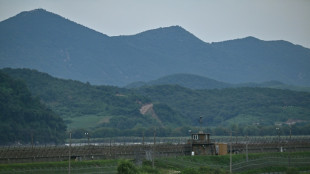 Seoul says North Korean mines 'highly suspected' as cause of DMZ blast

Pacific microstate Nauru is selling citizenship to fund its retreat from rising seas, President David Adeang told AFP, opening a contentious "golden passport" scheme as other climate financing runs dry.
The low-lying island nation of around 13,000 residents is planning a mass inland relocation as creeping seas start to eat away at its fertile coastal fringe.
It will drum up funding by selling passports to foreigners for US$105,000 each, despite fears such schemes are ripe for criminal exploitation.
"For Nauru it is not just about adapting to climate change, but about securing a sustainable and prosperous future for generations to come," Adeang said.
"This is about more than survival. It is about ensuring future generations have a safe, resilient and sustainable home. We are ready for the journey ahead."
The island republic sits on a small plateau of phosphate rock in the sparsely populated South Pacific.
With a total landmass of just 21 square kilometres (eight square miles), it is one of the world's smallest nations.
Unusually pure phosphate deposits -- a key ingredient in fertiliser -- once made Nauru one of the wealthiest places, per capita, on the planet.
But these supplies have long dried up, and researchers today estimate 80 percent of Nauru has been rendered uninhabitable by mining.
What little land Nauru has left is threatened by encroaching tides -- scientists have measured sea levels rising 1.5 times faster than global averages.
- Golden passports -
Existing climate funding efforts are "not sufficient" to address the challenge, said Edward Clark, who runs Nauru's new Economic and Climate Resilience Citizenship Program.
"Debt financing places an undue burden on future generations and there is not enough aid," he told AFP.
Nauru's government expects to reap US$5.7 million in the programme's first year, equating to around 66 successful applications, Clark said.
It hopes this will gradually increase to US$43 million -– or about 500 successful applications -- which would account for almost 20 percent of total government revenue.
Nauru officials believe 90 percent of the population will eventually need to move to higher ground.
The first phase of this mass relocation is estimated to cost more than US$60 million.
To pay the bill, Nauru has pinned its hopes on the new citizenship-by-investment programme.
Clark said it was a kind of "innovation".
"It is well known that developing climate-vulnerable countries are disproportionately impacted by climate change, and there is therefore an urgent need to ensure they disproportionately benefit from climate innovation," he said.
Nations such as Nauru "have both a need and a right to be prosperous", Clark added.
Nauru claims its passport will provide visa-free entry into 89 countries, including the United Kingdom, Ireland, United Arab Emirates and Hong Kong.
- A 'pioneering' fix? -
More than 60 different nations offer some form of migration for investment schemes, Australia's Lowy Institute has found.
Pacific nations such as Vanuatu, Samoa and Tonga have all dabbled in selling passports, according to the think tank.
Australian National University expert Henrietta McNeill said while these schemes helped bolster government revenue, they were also prone to exploitation.
She said criminals could use these documents to evade law enforcement, launder money or exploit visa-free entry rules.
A previous Nauru attempt to sell passports ended in disaster.
In 2003, Nauru officials sold citizenship to Al-Qaeda members who were later arrested in Asia, according to Australian broadcaster ABC.
Clark said this time Nauru would only offer passports to like-minded investors that passed "the strictest and most thorough due diligence procedures".
"This programme isn't just about acquiring another passport," he said.
"It's about joining a community dedicated to pioneering solutions for global challenges."
Nauru has accepted millions of dollars from the Australian government since 2012 for housing migrants who had sought asylum in Australia.
But the scheme was gradually scaled back following 14 detainee deaths, multiple suicide attempts and at least six referrals to the International Criminal Court.
Nauru still held 87 people as of August 31, 2024, according to latest Australian government figures.
W.AbuLaban--SF-PST