UN carbon market inches closer after COP29 agreement / Photo: Juan Pablo Pino - AFP/File

 OpenAI cancels release of newest model due to safety concerns

 AI bosses head to White House as safety pressure builds

 Batista sacked as Costa Rica coach after six months
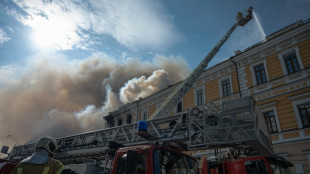
 Flooding, power cuts and evacuations as Hurricane Polo slams Mexico

 Dodgers eye three-peat, Red Sox face Yankees as MLB playoffs begin
 Certification of Boeing 737 MAX delayed by software bug

 Celine Dion wows Paris Fashion Week with surprise gig
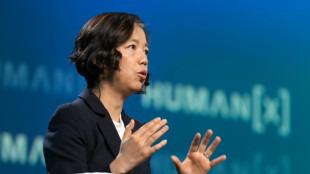 AMD buys firm founded by AI 'godmother' Fei-Fei Li
 Italy rebound in Turkey as France win late in Belgium

 Pope says concerns about AI 'should be taken seriously'
 Hurricanes to hoist title banner as NHL season begins
 Justice Alito steps aside from major US climate case

 Willis happy with England exile after retains Top 14 player award

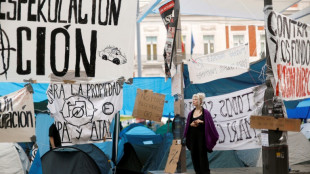
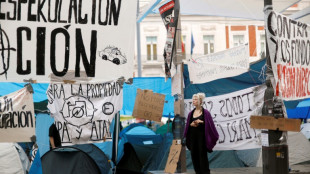 Spain housing protests keep heat on government as PM seeks new law
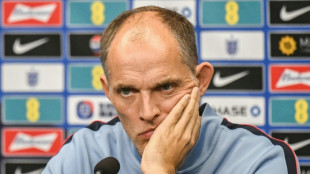
 Wissa spoils Zimbabwe homecoming as DR Congo win AFCON qualifier

 UK police release on bail five men held over airbase incident

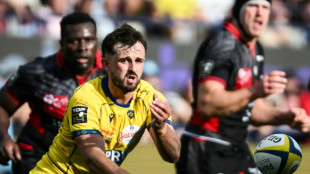 Ex-All Black Plummer 'sure' New Zealand will find Super Rugby solution

 Shein sees 1% revenue growth in first half of 2026
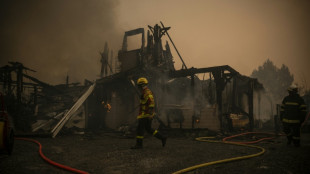
 Netherlands regrets Israel retaliation in settlements row
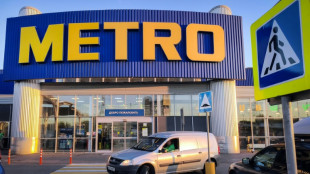 Moscow seizes Russian assets of German food retailer Metro
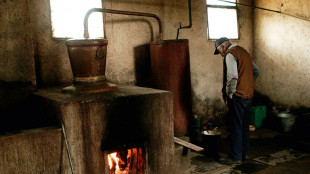 Bulgarian spirits inflamed by new rakia rules

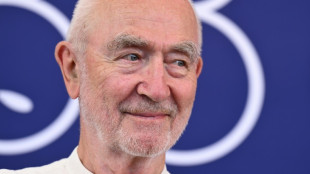 Documentary turns camera on architect Peter Zumthor
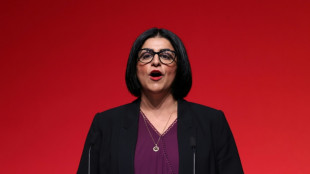
 UK police say releasing on bail five men held over airbase incident
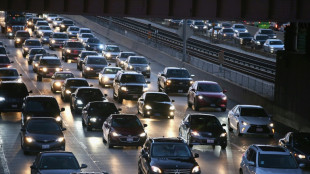 Trump admin finalizes reversal of US fuel economy standards

 US says no China arms sale plans after envoy cites Trump offer
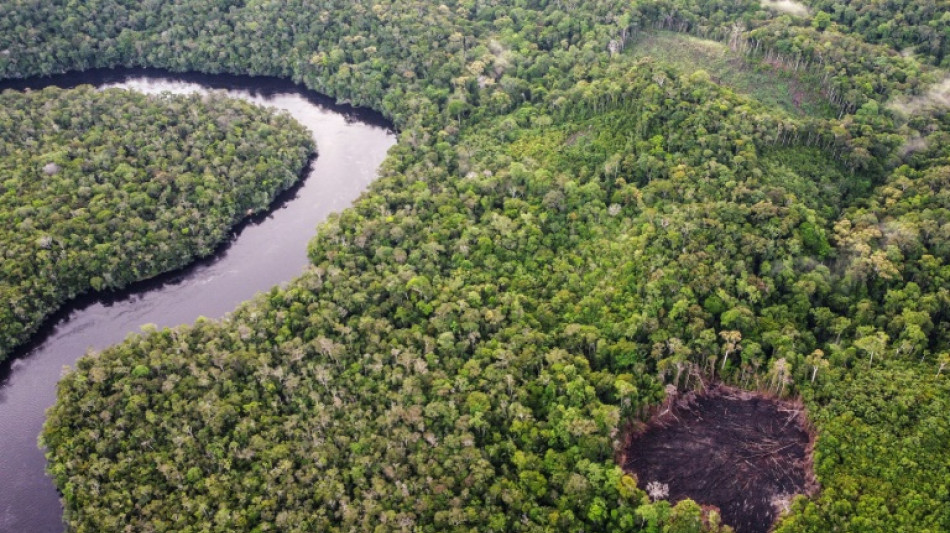
The creation of a UN-backed global carbon market has taken a step closer to reality with governments approving new standards for the use of credits to meet climate targets.
The agreement reached at the COP29 climate summit was hailed as a breakthrough after nearly a decade of complex negotiations over the rules for trading carbon credits.
UN climate chief Simon Stiell said carbon markets would be a "game-changing tool" for poorer countries, but opponents say the use of credits does not change the behaviour of big polluters.
- Carbon trading -
In carbon markets, one credit equals a tonne of planet-heating carbon dioxide emissions removed from the atmosphere or prevented from entering it.
A country, or company, wanting to reduce its carbon footprint can buy credits from projects that are cutting emissions elsewhere, like tree planting or replacing coal with renewable energy.
Carbon trading is supposed to allow nations that have cut greenhouse gases above what they promised to sell credits to slower acting polluters.
Article Six of the Paris agreement lays out two options for trade: the first between countries, and the second on a UN-administered marketplace open to government and private buyers.
Since the accord was signed in 2015, diplomats have been haggling over the rules and standards necessary to facilitate this trade and ensure transparency and credibility in the market.
- Article 6 -
These talks are far from over. But some countries have already started to trade in carbon.
Earlier this year, Switzerland bought credits from Thailand linked to emissions reduced by converting buses in Bangkok to electric power.
And on the marketplace option, nearly 200 nations agreed at COP29 on the basic principles to assure standards in carbon credit projects, a key requirement for setting a market in motion.
- New standards -
The European Union and developing nations rejected the last round of proposals at the climate negotiations in 2023 for being too lax.
This time around a supervisory body, which has spent months canvassing NGOs and specialists, says the rules are much more rigorous, and give local people the right to challenge credit-generating activities on their territory.
The new proposals include guidelines for future certification to ensure that a project either avoids the release of CO2 by human actions, or acts to remove the planet-heating gas from the atmosphere and store it over an extended period of time.
For example, owning an existing forest that naturally stores CO2 would not be credited, but efforts to protect it from a genuine threat of deforestation could be.
The plans set monitoring standards -- to check that trees are actually planted, or that the risks of a forest being ravaged by fire are properly taken into account.
The UN proposal includes plans for a fund, modelled on mutual insurance, which would see a percentage of each project's credits set aside in the event it fails to store carbon as promised.
- Shaken by scandals -
Supporters of UN-operated carbon markets say these rules will raise standards across the board and improve the quality of credits being sold.
Credits have long been bought and traded in the voluntary carbon market, but no common set of rules governs these trades, and the sector has been shaken by high-profile scandals.
Some projects have been accused of selling credits that do nothing for the environment, while forest-based schemes have gone up in wildfire smoke.
Most buyers are in wealthy countries and projects in poorer ones, and the sector has been marred by allegations of abuses of local people.
Other concerns include how to ensure carbon pulled from the atmosphere remains stored long after a project has finished and the credit has been sold.
O.Salim--SF-PST