New Twingo e-tech is at the starting line

 زفيريف يسعى لحل خلافه مع بيكر بعيداً عن الأضواء

 Survey Reveals 15% of Japanese Firms Face Customer Harassment

 Lorne Michaels Turns 82 as 'SNL' Celebrates 52 Years of Cultural Impact

 Oobah Butler’s HBO Series Exposes Grifters in Wellness, Wine, and Tech

 Young South Africans Cut Lifestyle Spending to Build Wealth

 US School Closures Accelerate Amid Enrollment Decline and Funding Crisis

 XPENG Launches Two New Models in UK; Pony.ai Robotaxi Enters Pilot

 وفاة السيد محمد عثمان الميرغني ودفنه في الخرطوم بحري بعد مسيرة سياسية ودينية حافلة
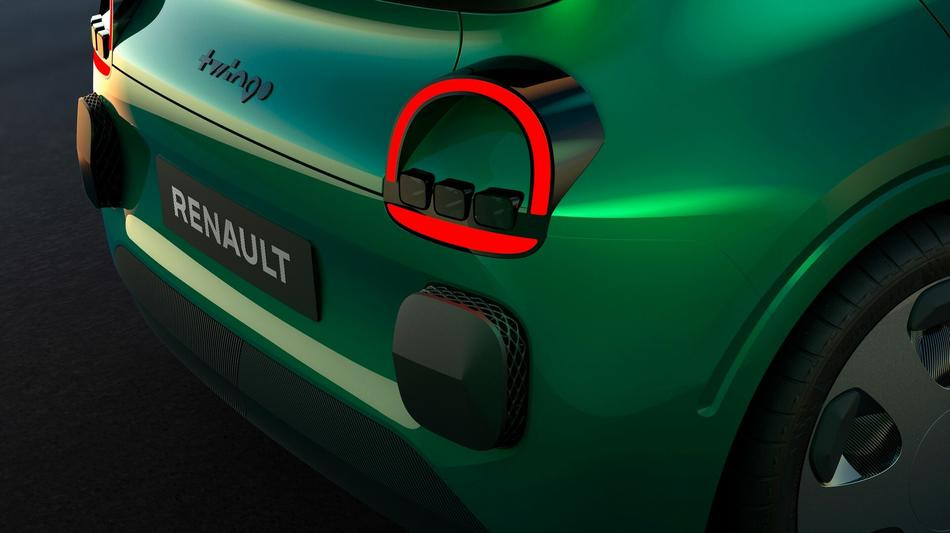
Renault has reimagined its iconic Twingo as a purely electric city car. Built on the AmpR Small platform, the new model uses a lithium‑iron‑phosphate battery with 27.5 kWh of usable capacity and an 80 hp motor. This combination gives a WLTP range of about 163 miles (approximately 263 km). Standard charging is via a 6.6 kW AC charger, with options for 11 kW AC and 50 kW DC; the latter takes the battery from 10 to 80 percent in 30 minutes. A one‑pedal mode delivers strong regeneration for urban driving.
The Twingo E‑Tech is slated to hit the European market in early 2026 with a target price below €20,000. Early adopters can secure an R Pass from December 2025, gaining priority ordering and perks such as a 1:43 scale model and early test drives. Inside, a seven‑inch digital instrument cluster is paired with a ten‑inch infotainment screen running Google services and voice control. Sliding rear seats allow the boot to expand to 360 litres, and up to 24 driver‑assistance systems—including automated emergency braking and lane‑keeping—make this tiny EV surprisingly sophisticated.
Design cues recall the cheerful 1992 original: round LED headlights, bright paintwork and a compact silhouette with a generous 2.49‑m wheelbase create a surprisingly spacious cabin. Efficiency has been a core goal; the LFP battery and low mass aim for around 6.2 miles per kilowatt‑hour. Built in Novo Mesto, Slovenia alongside the upcoming Renault 5, the Twingo E‑Tech embodies Renault’s push to make affordable electric cars mainstream.