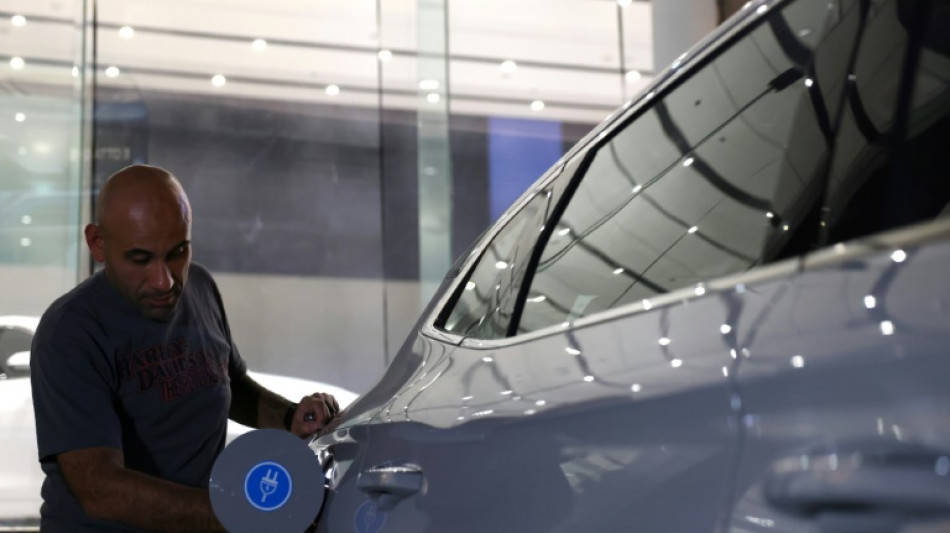
In fuel-guzzling Saudi Arabia, electric cars pique interest / Photo: Fayez Nureldine - AFP

 MEXC Unveils "WE SEE YOU" Brand Visual Refresh, Putting People Behind Every Trade in Focus
 Thai capital cleans up after deadly floods

 NATO, EU allies rally to Estonia after 'sabotage' blamed on Russia

 Families demand justice for Cameroon's 'nightmare' wave of murdered women

 Tebas says Man City should face 'most severe' sanctions if guilty of rule breaches

 Pochettino calls Man City success 'a period of deception'

 Settler attack on West Bank village injures Israeli forces, drawing rare rebuke

 Mystery over UK airbase scare after reports no explosives found
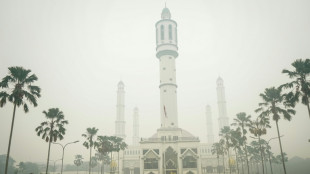
 Spanish govt races to adopt housing law under protest pressure

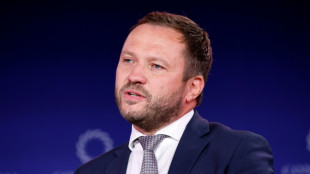 Estonia slams Russian 'sabotage' after arson attack on defence company

 Slovenia sees surge in '.si' sites after Trump hypes 'super intelligence'
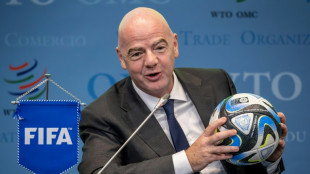
 'Like a dream' for An as Games organisers 'sorry' for latest mix-up
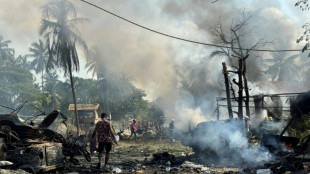
 Tokyo suffers longest streak of rainy days on record

 Indonesia charges train driver over crash that killed 16 women
 صندوق النقد العربي يواصل دعم الاستقرار المالي والنقدي في المنطقة

 وزارة المالية تدعم توسع الشركات المصرية في السوق التنزانية

 محمد بن زايد يزور السعودية بعد فترة من الفتور في علاقات البلدين

 مخيم البداوي يحيي ذكرى مقتل فتح شريف بفعالية جماهيرية

 تدمير البيوت التراثية يهدد الذاكرة السياسية والعمرانية لجنوب لبنان

 اقتحامات واعتداءات إسرائيلية تسجل في عدة مناطق بالضفة الغربية

 سهم شي إن يتراجع 14% رغم إعلان أول أرباح منذ الطرح

 مجموعة الغندور ترصد 3 مليارات جنيه لتوسعات جديدة حتى 2030
 العربي الأفريقي الدولي يوسع برامج إعداد القيادات المصرفية
 إنفيديا تطلق منصة مفتوحة لضبط صلاحيات وكلاء الذكاء الاصطناعي

 دي بي ورلد تدشن خطاً بحرياً بين الهند والفجيرة وعُمان واليمن

For Hamed al-Rafidain, a Saudi human resources worker, an electric vehicle offers welcome savings, especially since his other car is a fuel-guzzling four-wheeler favoured by motorists in the desert kingdom.
The 39-year-old is part of a small but growing EV consumer base in Saudi Arabia, which hopes to become a hub for the technology as it seeks to diversify its economy away from oil.
Although the EV market in the world's largest oil exporter remains small compared with the United States and China, it tripled last year to nearly 800 cars, according to Saudi business news outlet Al-Iqtisadiyah.
"What drove me to buy an electric vehicle was financial considerations," said Rafidain, who spends up to 2,000 riyals ($530) a month on fuel for his off-road vehicle.
"Maintenance costs are also lower compared to a conventional vehicle, with no oil changes and no brake-pad replacements," he added, pointing to the engine-free storage space under the hood of his new car.
Chinese EV giant BYD is expected to dominate the Saudi market. Its global rival Tesla of the United States has no dealerships in the Gulf kingdom.
With eight million residents, Riyadh experiences traffic jams that contribute to high pollution levels.
Rafidain said he chose an EV because of environmental concerns, noting electric vehicles "help reduce global warming in cities".
For a little over $53,300, he bought a BYD that he mostly uses for short trips within the capital.
- EV challenges -
A lack of charging infrastructure and Saudi Arabia's vast size mean that many view their EVs as suitable for shorter trips, rather than replacements for conventional vehicles.
Using an EV for travel outside the city was a "gamble, especially since the infrastructure is still underdeveloped", Rafidain said, noting the range of current batteries is only about 400 kilometres (250 miles).
While BYD and Lucid install charging stations directly at customers' homes, the Electric Vehicle Infrastructure Company (Eviq) is working to place them elsewhere, aiming for 5,000 across the country by 2030.
EV prices remain high in Saudi Arabia, where fuel costs are lower than in most countries, with a litre of petrol costing $0.62.
A vehicle from Lucid, which opened a factory in Jeddah last year after a billion-dollar Saudi investment, costs $92,000, but the arrival of BYD is expected to make EVs more affordable.
Industry expert Hossam Iraqi said EVs are less popular among Saudis owing to their size and performance in extreme heat.
"Most current electric vehicle production is small to medium-sized, which does not suit the needs of large Saudi families," he said, adding the Gulf region's extreme heat has an impact on battery efficiency.
- Saudi surge -
Salesman Hassan Mohammed expects strong EV sales this year, as demand grows at home and abroad.
"More than one car brand has opened its doors in the kingdom and now offers after-sales service, which has encouraged consumers," he said at an exhibition in northern Riyadh, where Saudis test-drove cars.
Al-Iqtisadiyah reported in April that Saudi Arabia imported only 779 EVs in 2023, up from 210 the previous year, citing official Saudi statistics.
The country is also ramping up domestic production.
Saudi Arabia's sovereign wealth fund, PIF, now controls 60 percent of Lucid and has secured a deal with South Korea's Hyundai to establish a plant in the kingdom for both EVs and petrol-powered cars.
Additionally, Saudi EV brand CEER, launched in 2022, plans to start production in 2025.
Earlier this year, Saudi Industry Minister Bandar al-Kharif said the country was aiming to produce 300,000 EVs annually, without giving a timeline.
Riyadh, targeting carbon neutrality by 2050, was also in talks with battery producers, he said.
For now, some still prefer hybrid vehicles, which use both batteries and petrol to go longer distances.
"The balance between electricity and gasoline is economical and convenient," said Omar el-Shami, a 43-year-old Egyptian pharmacist, as he charged the car he bought for his wife.
"Things may change in the future," he said.
L.Hussein--SF-PST