Colombia hails deforestation drop / Photo: Raul ARBOLEDA - AFP/File

 Grave of the Fireflies: Takahata Isao’s Lifelong Quest for Realism

 مطالبات برلمانية أمريكية لماسك بالاحتفاظ بسجلات استخدام أوكرانيا لشبكة ستارلينك

 DJ Chaia Brings 'Yiddishland' Sound to Capital Region with Kleztronica Rave

 بطريرك القدس للاتين يهنئ المقدم رؤوف إميل بالإفراج عنه في منزله بالزبابدة

 أبو هولي والأسعد يبحثان مع الفصائل الفلسطينية في لبنان أزمة الكهرباء وحوكمة المخيمات

 Mkhwanazi and Former Ekurhuleni Officials to Face Court Over Blue Lights Scandal

 Metsola Urges EU Investment to Secure Global AI Leadership

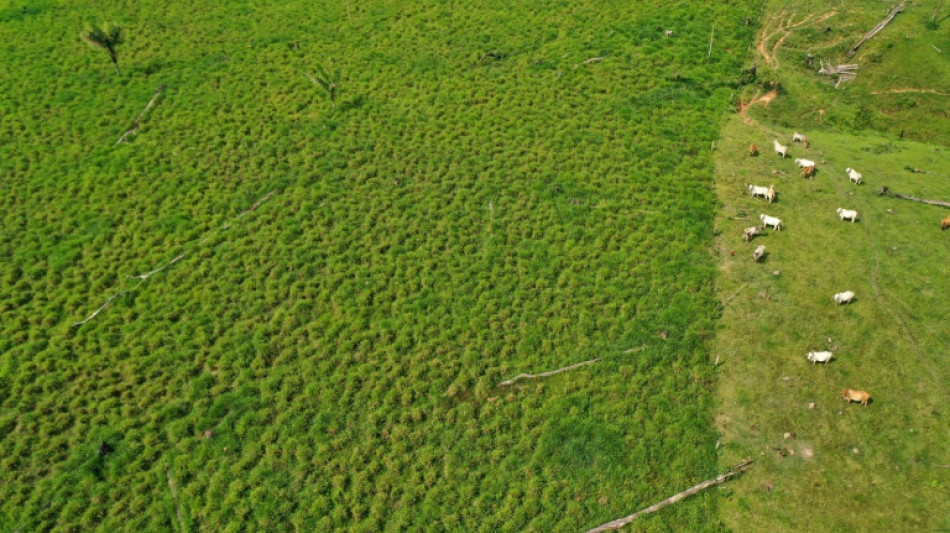
Colombia's President Gustavo Petro on Monday hailed the country's lowest deforestation figures in 23 years, with a notable drop in the Amazon rainforest.
Colombia still lost almost 80,000 hectares (197,700 acres) of forest last year, an area the size of New York City.
However, this is 36 percent less than the amount lost in 2022.
"It's the lowest level of deforestation in 23 years," Petro wrote on X. "We must get to zero to maintain the lungs of the planet."
Deforestation in parts of the Colombian Amazon was down 38 percent.
The sustained decline is partly due to a government program that pays farmers in exchange for conserving nature, according to the environment ministry.
Deforestation had also slowed in regions where guerilla groups have entered into peace talks with the government.
However, Environment Minister Susana Muhamad in April warned of a 40 percent increase in deforestation in the first months of 2024 as the peace talks became bogged down.
Fighters with the now-defunct FARC who rejected a peace deal in 2016 began using environmental concerns for leverage, and allowing third parties to destroy parts of the forest in return for millions of dollars.
In April the government announced that the guerrilla group, known as the Central General Staff (EMC), had split into two factions and negotiations were continuing with just one of them.
These developments were a setback to Petro, who campaigned on an ambitious conservation and climate change program in one of the world's most biodiverse countries and has pledged to reduce deforestation to zero by 2030.
Colombia will host the COP16 biodiversity conference in October.
According to the environment ministry, the main causes of deforestation in Colombia are "extensive livestock practices, unplanned transport infrastructure, illicit crops, illegal mineral extraction and logging."
A.Suleiman--SF-PST