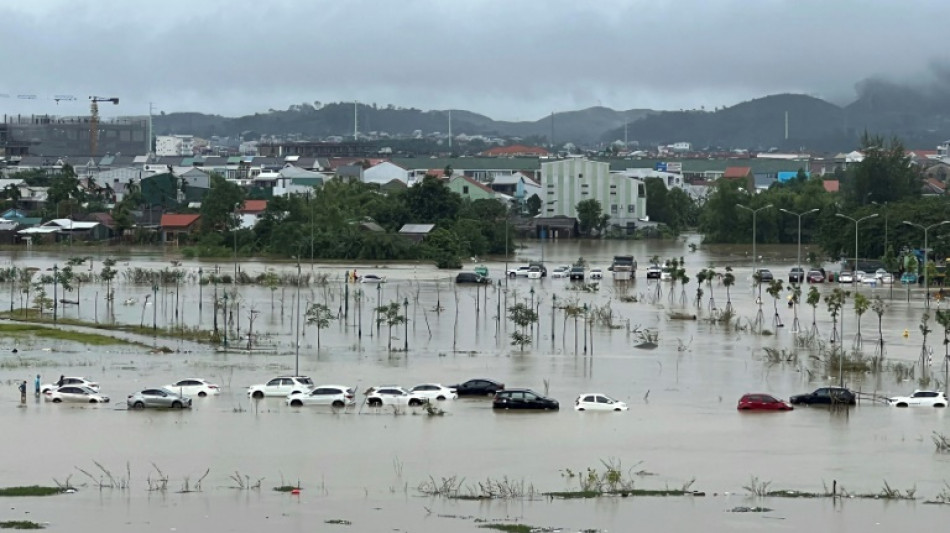
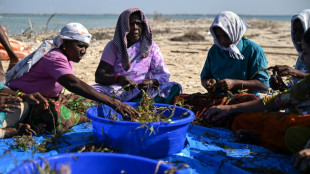
Rich nations 'likely' met $100 bn climate finance goal: OECD / Photo: Hai Duong - AFP

 Tokyo suffers longest streak of rainy days on record

 Indonesia charges train driver over crash that killed 16 women
 تدمير البيوت التراثية يهدد الذاكرة السياسية والعمرانية لجنوب لبنان

 أحمد اليوسف يوضح ملابسات تصريح أعمار لاعبي منتخب الكويت
 السعودية تواجه العراق في قمة خليجية لحسم العلامة الكاملة

 العراق يستضيف خليجي 28 وبغداد والبصرة تتسابقان على تنظيم المباريات

 وليد الدغسني يحول فضاء «البروفة» إلى مختبر بصري للحياة

 رجا بهلول يبحث العلاقة المتبادلة بين الثقافة السياسية ونظام الحكم

 حريق منزلين فلسطينيين في هجوم لمستوطنين على جالود جنوب نابلس

 Sabalenka 'fresh' for first tournament since losing No.1 spot
 Myanmar airstrike death toll rises to 50: aid workers
 North Korean DMZ landmine blast 'violation of armistice'

 South Korea volleyball team latest to be bussed to wrong Games venue

 Malaysia starts sending Myanmar migrants home

 8.3 mn refugees at risk due to 'severe' funding cuts: UN
 Stocks drop and oil rises as Hormuz hopes fade
 OpenAI cancels release of newest model due to safety concerns

 AI bosses head to White House as safety pressure builds

 Batista sacked as Costa Rica coach after six months
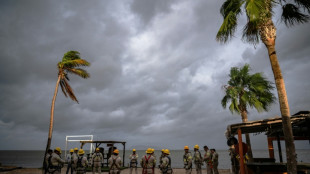 Flooding, power cuts and evacuations as Hurricane Polo slams Mexico

 NFL Giants obtain QB McCarthy from Vikings

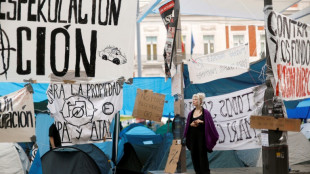 Deal for evicted Spanish pensioner as PM seeks new housing law

 Clippers apologize, warn fans of 'challenges' after Leonard scandal

 Turkish comedian convicted for Erdogan 'insult' freed pending appeal

 Trump announces 'biggest' US steel plant in battleground Iowa

Wealthy nations likely met their goal of providing $100 billion in annual climate finance to poorer nations last year -- two years later than promised and only a fraction of the "extensive needs", the OECD said Thursday.
The OECD report comes ahead of the UN's COP28 climate negotiations later this month in Dubai, where finance will be a major sticking point.
The Organisation for Economic Co-operation and Development is tasked with monitoring official figures on the pledge to help developing countries fund their energy transitions and resilience in the face of accelerating climate impacts.
In 2009, richer countries promised to reach $100 billion annually in funding for these priorities by 2020.
Failure to meet the target on time has damaged trust in international climate negotiations.
In the most up to date figures, the OECD said richer countries reached $89.6 billion in total funding for 2021.
"Based on preliminary and as yet unverified data, the goal looks likely to have already been met as of 2022," said OECD Secretary-General Mathias Cormann in the foreword to the latest report.
But he added experts estimate that developing countries will need to spend about a trillion dollars a year by 2025 for climate investments, rising to roughly $2.4 trillion each year between 2026 and 2030.
"Although public finance can only contribute a share of these extensive needs," Cormann said, international donors would be crucial in helping to boost overall funding.
He said that currently finance from rich countries was not effective enough in attracting additional private sector investments and funding.
Finance focused on adaptation that countries must embark on to prepare themselves for an array of increasing climate impacts was also lagging, he said.
Adaptation measures can include building coastal defences, or helping farmers become more resilient to increasingly ferocious floods, droughts and other climate extremes.
- Action is 'stalling' -
Many developing economies least to blame for the greenhouse gases that stoke global warming are among the most exposed to the costly and destructive effects of worsening weather extremes and rising seas.
World leaders meeting at the climate talks in the United Arab Emirates will face a tough reckoning over financial solidarity between rich polluters and vulnerable nations, as a failure to cut planet-heating emissions threatens the Paris Agreement's global warming limits.
Adaptation is a key priority for developing countries and wealthy governments have promised to double adaptation finance by 2025, to $40 billion a year.
But as the world warms, climate change impacts increase and so too do the costs of preparing for them.
Earlier this month, a report by the UN Environment Programme (UNEP) projected that overall annual funding that developing countries need to adapt to climate impacts this decade had increased to as much as $387 billion.
At the time, UN Secretary-General Antonio Guterres warned action was "stalling" even as the need to protect people increases.
U.Shaheen--SF-PST